
Backer board waterproofing transition to metal: Detail the junction between a backer panel and metal trim
Table of Contents
Backer board waterproofing transition to metal requires a clear decision about poor adhesion and differential movement at the junction. For contractors, distributors and project buyers, the useful next step is to approve the transition materials on a representative sample. This guide explains which details to review, what evidence to request and how to organise a practical check before purchasing or concealing the work.
Treat backer board waterproofing transition to metal as part of a defined construction assembly. The advice below does not assume a universal spacing, strength, temperature limit or cure time. Those values must come from the exact selected product and the accepted project design. Keeping that distinction clear makes a technical enquiry more useful and reduces the chance of comparing products that serve different duties.
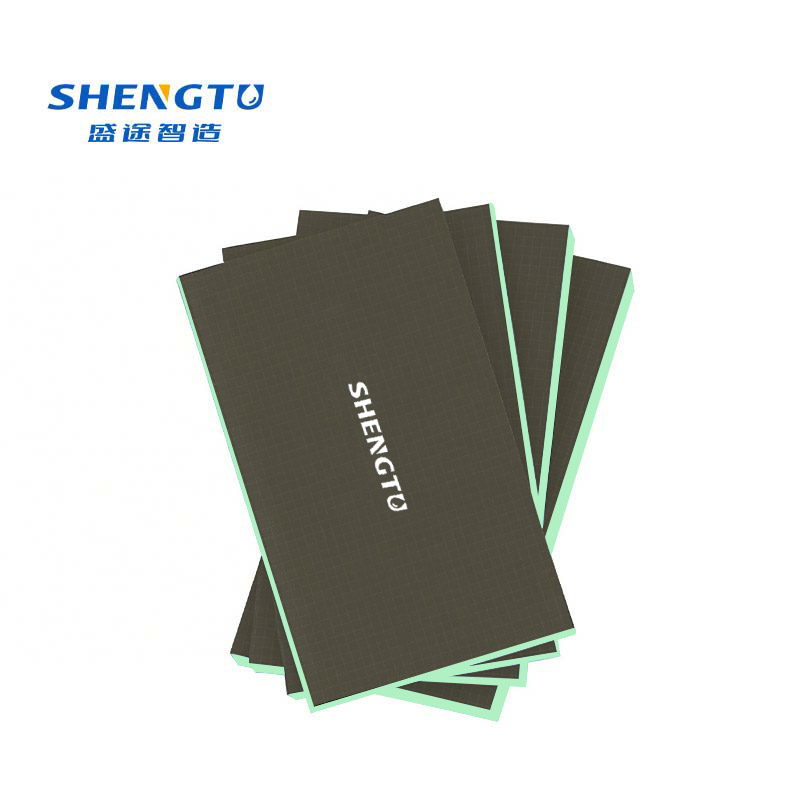
Backer board waterproofing transition to metal: the decision that matters
The starting point for backer board waterproofing transition to metal is to approve the transition materials on a representative sample. The specific risk to address is poor adhesion and differential movement at the junction. This review focuses on that junction or purchasing decision, with the surrounding materials considered only where they affect the result. Take the project drawing and the actual sample to the same discussion so the intended detail can be checked against something measurable.
A useful specification for backer board waterproofing transition to metal should explain the required function, the materials it touches and the conditions under which it will be installed. Record those items before comparing prices. If the answer depends on a load, a material grade or an approved assembly, obtain that information for the exact product. An unrelated certificate or an attractive product photograph cannot fill a gap in the technical schedule.
Draw the interface that will become concealed
Backer panel details should explain how the substrate, waterproof layer and finish meet the adjoining construction. Metal trim, access hatches, pipe sleeves and wall-top terminations introduce different materials and movement. Review these junctions before ordering accessories. A reliable detail identifies the accepted bonding or sealing material, the required preparation and the sequence that leaves adequate access. An unfinished gap should not be left for the tile installer to improvise around later.
Separate support from waterproofing. A heavy fixture may need reinforcement connected to the framing, while the penetration through the moisture-control layer needs its own seal. Neither tile nor a waterproof-facing claim establishes fixture capacity. Confirm the load path with the responsible designer and coordinate the final fixing positions with the panel layout. This avoids drilling a completed wet-area wall simply because a backing location was never recorded.
For backer board waterproofing transition to metal, apply these checks to the precise issue of poor adhesion and differential movement at the junction. Mark the relevant location on the drawing and identify what must be accepted before the work proceeds.
Respect movement, curing and accepted repair details
Movement provisions must remain functional through the relevant layers. Bridging a designed joint with a rigid panel, adhesive or finish can transfer movement into an unintended location. Confirm where joints continue and where the selected system permits a different transition. Adhesives, coatings and sealants also require suitable conditions and time before service. Surface dryness alone does not prove that a concealed bonding layer has reached its required cure.
Inspect pipe clearances and access-opening edges before applying waterproof accessories. A collar that is too small or an opening that is too large may fall outside the accepted detail. Where damage occurs during later fit-out, use the system’s repair method and record the location before it is covered. Keep temporary fixings out of completed wet-area surfaces unless a permitted repair is planned. Protection and inspection responsibilities should be assigned at handover between trades.
Backer board waterproofing transition to metal: define the decision before comparing products
Begin with a short statement of the job the material must perform. Distinguish a required function from a preferred appearance or a convenient delivery size. Identify the person responsible for accepting the detail and the document that records the acceptance. This prevents a purchase decision from depending on a description such as premium or heavy-duty that has no measurable meaning within the project.
List the interfaces that can change the selection. Include the supporting base, adjacent material, exposure, available space and installation access. Review one representative junction with the contractor before sending the enquiry. A product can meet an isolated material requirement and still be unsuitable for an assembly that lacks the right support or compatible accessories. Resolve those dependencies while the specification is still easy to change.
The practical outcome for backer board waterproofing transition to metal is a recorded decision to approve the transition materials on a representative sample. Keep any unanswered item attached to the specification instead of allowing it to disappear from the quotation comparison.

Use a mockup to resolve the uncertain interface
Select a mockup that answers a real technical question. Include the actual support, material, connection and adjacent finish rather than presenting an isolated attractive sample. Write down what will be measured or inspected and when the result becomes meaningful. Bonding and curing trials need conditions that represent the intended work, while fit trials need the production-representative geometry.
Record both successful and unsuccessful observations. If the mockup needs a changed part or a revised sequence, update the specification before approving it as the reference. Preserve photographs, material identities and the accepted drawing together. Later deliveries can then be checked against a known arrangement rather than against someone’s memory of a demonstration.
When reviewing backer board waterproofing transition to metal in this setting, check how the risk of poor adhesion and differential movement at the junction affects the installation sequence or the materials required. A variation should be shown explicitly on the drawing and material schedule.
Compare options for backer board waterproofing transition to metal
Use the following comparison to separate evidence from assumptions. It is a review tool for backer board waterproofing transition to metal, not a declaration that a named product has passed a project-specific test. Populate it with actual supplier responses and the responsible designer’s accepted requirements. Where a value is missing, request the information before treating alternatives as equivalent.
| Review item | Evidence to request | Decision to record |
|---|---|---|
| Product identity | Exact grade, drawing and current data sheet | Confirm the offered item matches the specification |
| Critical issue | poor adhesion and differential movement at the junction | approve the transition materials on a representative sample |
| Interfaces | Actual substrates, adjoining parts and accepted accessories | Confirm preparation, fit and compatibility |
| Installation | Current instructions and accessible inspection points | Approve sequence before the work is concealed |
| Delivery | Identifiable packaging, batch and agreed quantities | Separate deviations before distributing stock |
For independent background relevant to tile backer panel interfaces, see this non-commercial reference. Use it for general context. It is not a certification or approval of a SHENGTU product, and project-specific requirements still need the appropriate material and assembly evidence.
A practical review for backer board waterproofing transition to metal
Imagine that the purchasing team has two plausible options but no agreed drawing of the junction. Start by marking the part of the assembly affected by poor adhesion and differential movement at the junction. Ask the designer to state the required function and the installer to explain the available working space. Then compare the options against the same recorded requirement. This prevents a supplier’s convenient standard size from becoming the design by default.
For backer board waterproofing transition to metal, close the review with a short decision record: the selected arrangement, the reason it suits the stated application and the evidence still required before release. Include a small sketch or current drawing reference. If the decision is to approve the transition materials on a representative sample, identify who will supply the missing information and when it must be accepted. Keep commercial ordering behind that technical decision.
The acceptance record for backer board waterproofing transition to metal should identify the selected grade and the conditions for which the reviewed arrangement was accepted.
Discuss backer board waterproofing transition to metal with SHENGTU
SHENGTU lists tile backer panel interfaces within its construction product offering. Review the relevant product range and send the proposed application, drawing, quantity and exposure conditions for discussion. Request written confirmation of the exact grade and compatible accessories before procurement. Availability of a listed product does not establish every performance value needed by a particular project.
For an enquiry about backer board waterproofing transition to metal, include the issue of poor adhesion and differential movement at the junction and the decision to approve the transition materials on a representative sample. The team can then respond to a defined requirement. Use the project enquiry page or the form below to share the dimensions and technical questions that still need to be resolved.
Frequently Asked Questions
How do I define the scope of backer board waterproofing transition to metal?
Start with the function required at the actual junction. For backer board waterproofing transition to metal, identify the supporting base, adjacent materials and exposure. Record the drawing location and the person responsible for accepting the detail.
Which issue matters most for backer board waterproofing transition to metal?
Address poor adhesion and differential movement at the junction before comparing prices. A useful outcome for backer board waterproofing transition to metal is to approve the transition materials on a representative sample. Make that requirement explicit in the technical enquiry.
For backer board waterproofing transition to metal, can the supplier choose the complete detail?
A supplier can propose a product and supporting information, but the project team must coordinate its use with adjacent construction. Ask for the proposed grade and interfaces, then obtain the relevant design acceptance.
For backer board waterproofing transition to metal, is a product photograph enough for initial approval?
A photograph helps identify appearance and form. It does not establish dimensions, material grade, loading or compatibility. Use a drawing and current product information alongside the actual sample.
For backer board waterproofing transition to metal, when is the enquiry ready to send?
Send it when the application and principal interfaces are clear enough for a comparable response. Identify unresolved items openly and ask bidders to separate exclusions or proposed changes from the base quotation.