
Waterproof Backer Board Bottom Edge Details Near Shower Trays and Tub Rims
Tray and tub rim edges needs a visible sample before tile work hides the wall. Here, flanges, rim gaps, board height, sealant coordination shape the decision. The waterproof backer board choice for tray and tub rim edges should follow those project facts.
Table of Contents
Why flanges changes the wall decision
Flanges affects layout, fastening, and the order of inspection. Ask who will inspect that point, then keep the waterproof backer board review for tray and tub rim edges tied to the actual room condition.
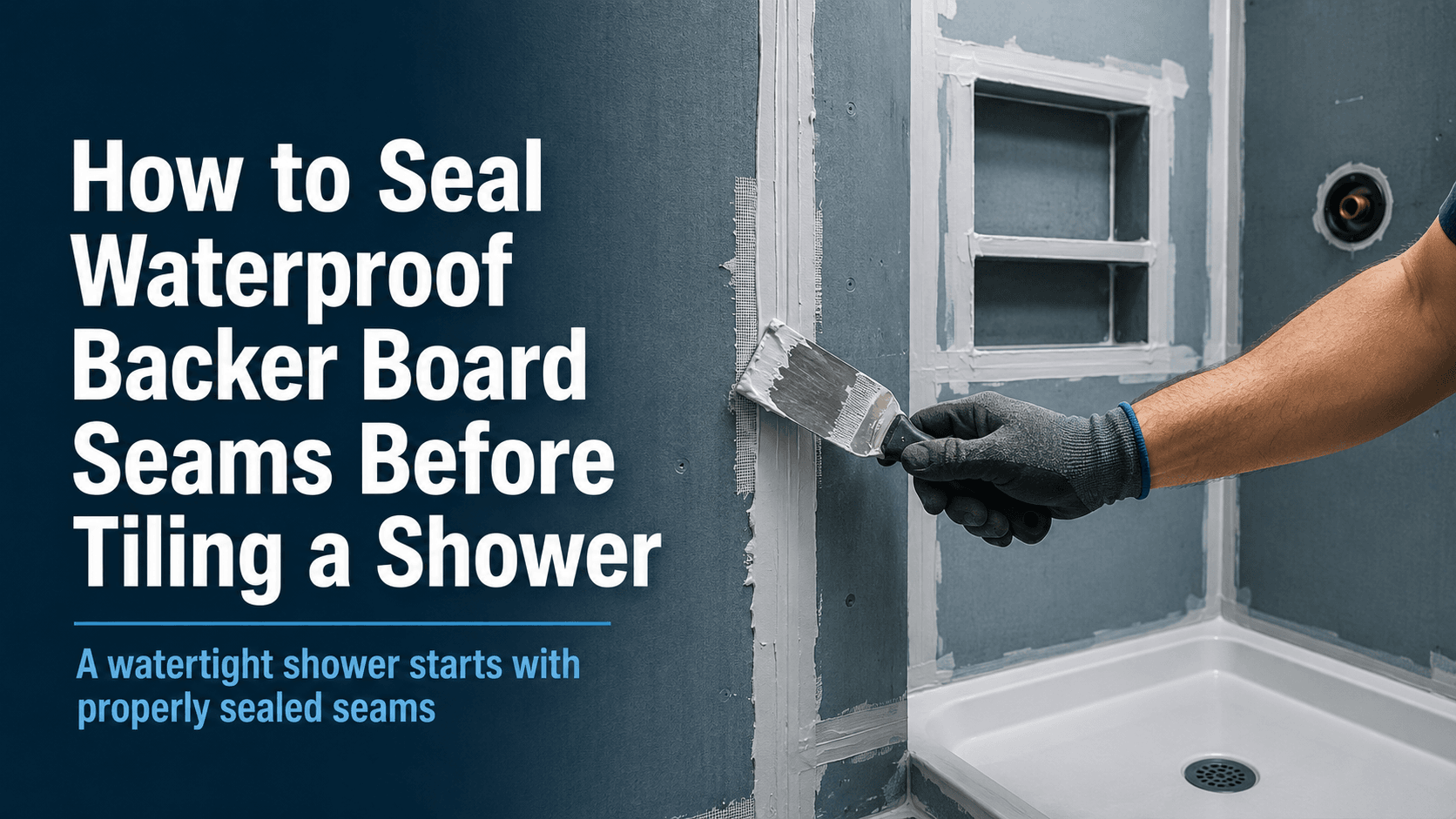
Inspection notes for rim gaps
Rim gaps deserves a separate check because it is easy to hide behind trim, tile, or hardware. The installer should settle the bottom edge detail before the first board is cut; that makes the waterproof backer board scope measurable before finish work starts.
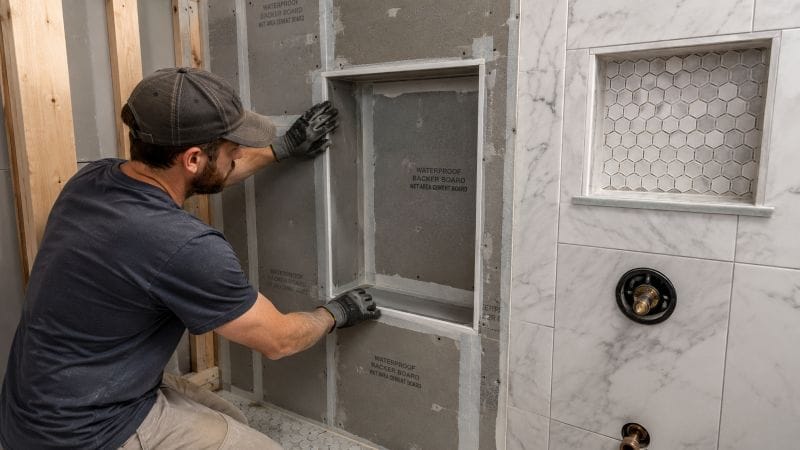
Evidence and product notes for tray and tub rim edges
Use the ST Waterproof Backing Boards application information when tray and tub rim edges needs product context. Compare the site note with ANSI standards for tile installation and TCNA ceramic tile installation FAQ; the final waterproof backer board approval should still follow drawings and visible workmanship.
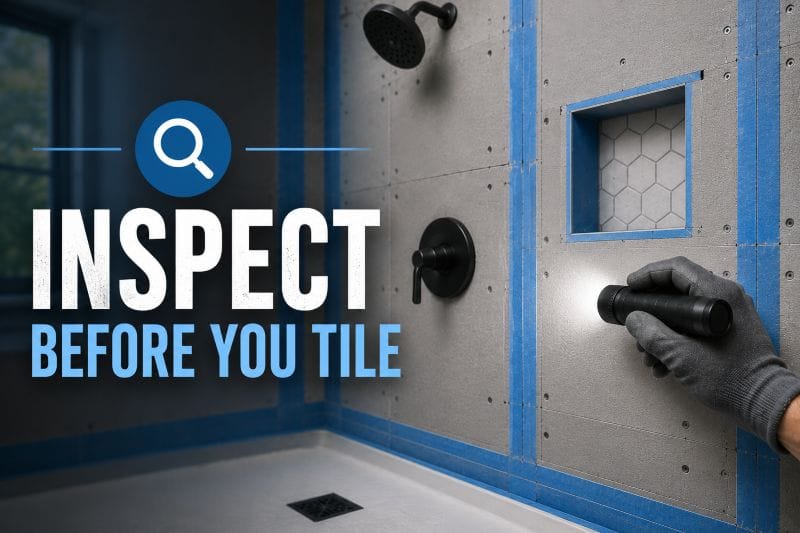
Field review notes for tray and tub rim edges
The remodeling crew should walk tray and tub rim edges with the drawings in hand and point to flanges, rim gaps, board height, sealant coordination on the actual wall. That makes the waterproof backer board review practical: the board is judged by where it sits, what it touches, and how the finish crew will work around it. If the wall condition changes after delivery, the waterproof backer board decision should be revisited before cutting continues.
Procurement teams can use tray and tub rim edges to ask sharper questions. Is flanges already shown on the drawing? Has rim gaps been allowed for in the schedule? Will the room be photographed before tile starts? Those answers make the waterproof backer board scope easier to compare across suppliers without turning the discussion into a price-only choice.
Installation planning for tray and tub rim edges should stay close to workmanship. Board edges, fastener positions, stored sheets, and opening cuts all influence a calmer approval meeting. A waterproof backer board is most convincing when the installer can explain how those details will be handled on this specific wall, not only in a general product description.
Approval should be simple enough for the project file: what was checked, who checked it, and what still needs correction. For tray and tub rim edges, that record keeps the waterproof backer board conversation tied to site evidence and helps the buyer decide whether the wall is ready for the next trade.
Before sign-off, photograph tray and tub rim edges, mark any correction, and keep the note with the room record. That simple habit helps buyers discuss waterproof backer board performance without relying on memory after the wall is covered.
Approval for tray and tub rim edges should also consider room access, trade order, storage condition, and the project record expected by the buyer.