How to Choose Fasteners for Waterproof Backer Board in Wet Areas

Stay informed with the latest industry trends and company news to understand the market and seize opportunities.

How to Choose Fasteners for Waterproof Backer Board in Wet Areas

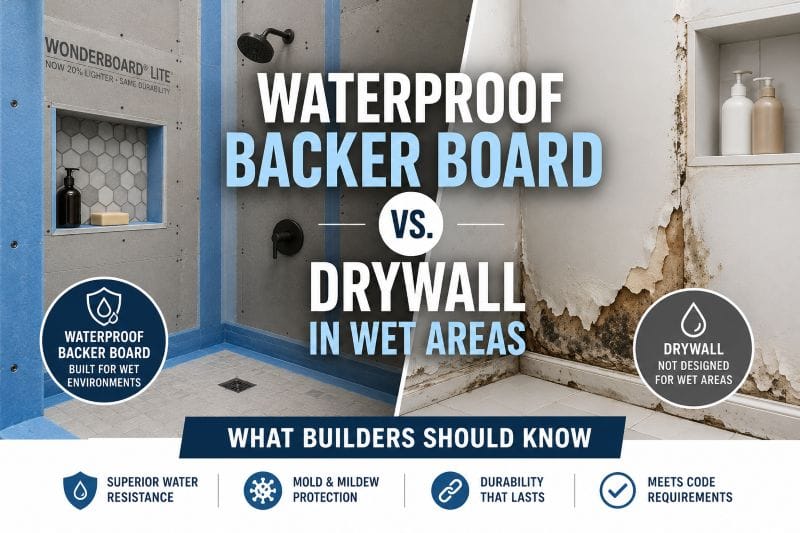
How to Choose Fasteners for Waterproof Backer Board in Wet Areas should be treated as a professional wet-area decision, not a generic blog topic. The reader is usually trying to avoid a hidden wall problem: water behind tile, movement at seams, poor fixture support, weak transitions, or a repair that becomes expensive after the surface is finished. A waterproof backer board is interesting to that reader because it gives the wall a tile-ready, wet-zone-appropriate base when the surrounding details are handled correctly.

This guide focuses on mechanical fixing. Instead of repeating a standard product introduction, it follows the actual decision path used on site: define the water exposure, check the wall structure, plan cuts and penetrations, choose compatible fixing and sealing materials, then inspect the assembly before tile. That is where a waterproof backer board can make the project cleaner, more predictable, and easier to control.

fastener plan - product or construction context

For neutral background, OSHA construction resources helps frame why wet-area details should be planned before surfaces are closed. It is background only; site teams should still follow the selected board, adhesive, and waterproofing instructions.

Installation Sequence From Open Wall to Tile

The practical sequence begins with the open wall. Remove damaged material, repair framing, confirm plumbing, then mark the waterproof backer board layout. Cutting panels before these checks is a common source of rough openings and weak edges.

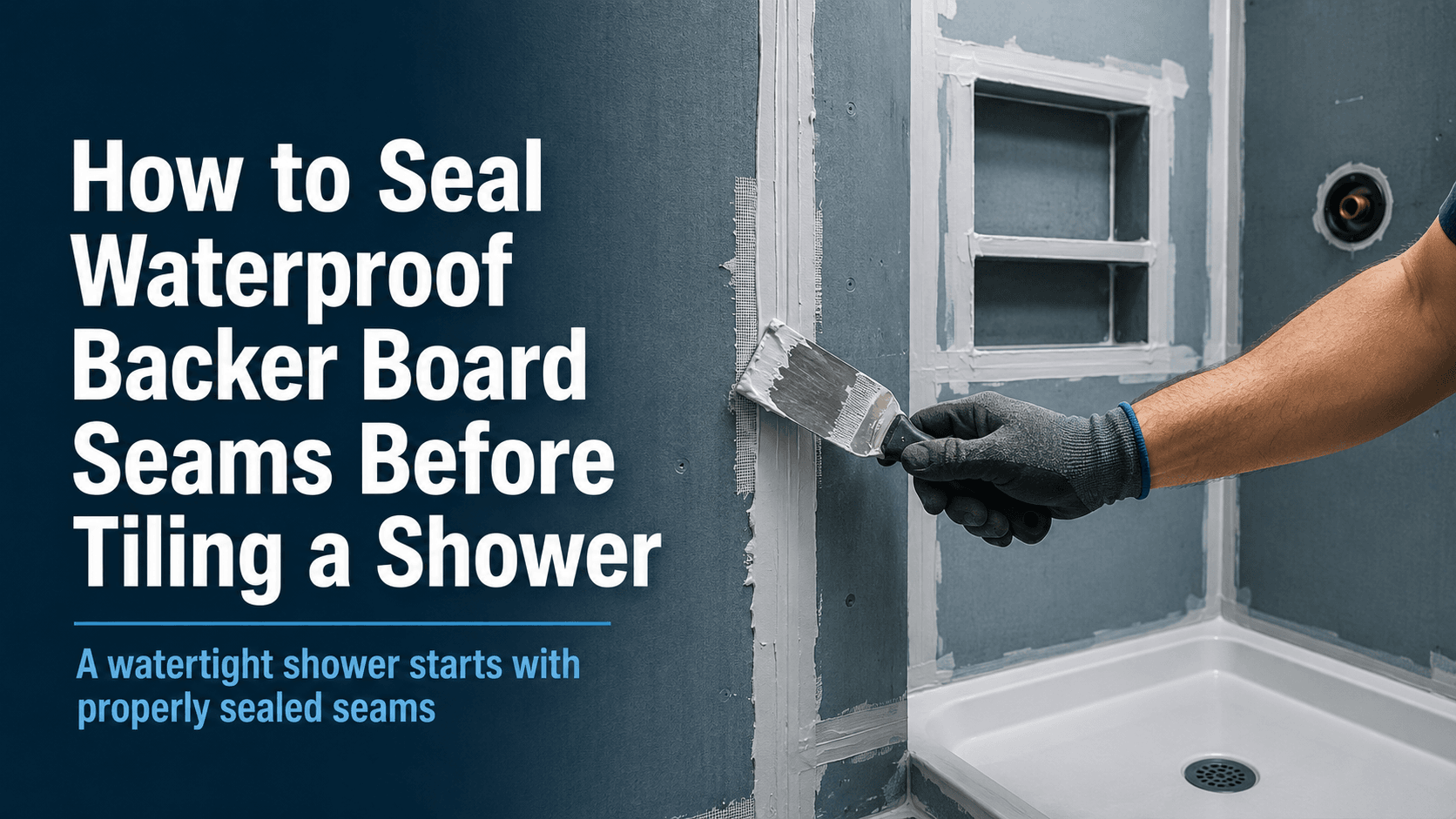
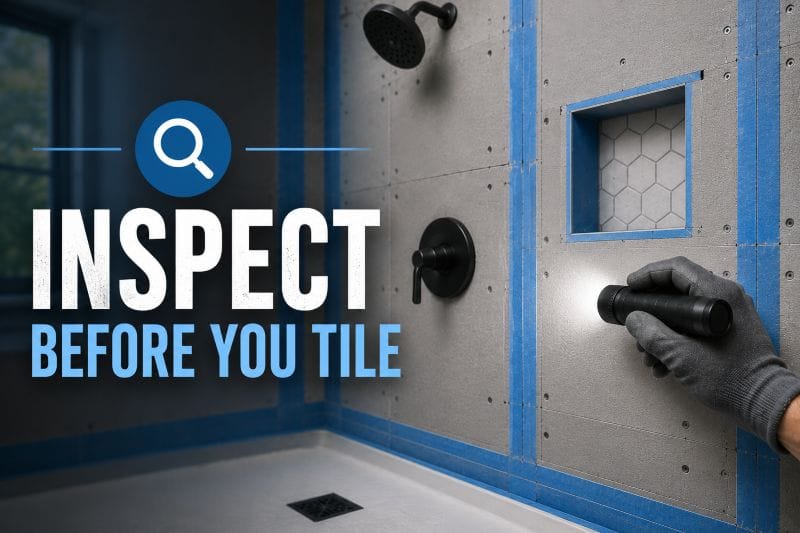
After panels are fixed, inspect fasteners and surface cleanliness before moving to seams. After seams are treated, inspect again before tile. Each step closes a specific risk, and skipping one step pushes hidden problems forward.

Why Sequence Protects Product Value

The product value of a waterproof backer board is not only that it resists wet-area use. It is that the wall becomes inspectable at each layer. The installer can see if the panel is flat, if corners are supported, and if penetrations are ready for sealing.

That visibility helps the client trust the hidden wall. It also helps the contractor explain why this backing material is a professional choice rather than an unnecessary upgrade.

Decision pointProfessional checkProduct value
Primary useConfirm the article topic is really about mechanical fixingKeeps the recommendation tied to search intent
ExposureMap direct water, splash, humidity, and cleaning waterPrevents dry-wall thinking in wet zones
StructureCheck framing, support, and surface planeProtects tile from movement behind the finish
Detailscorrosion resistance, screw spacing, head depth, and edge supportTurns product choice into a buildable wall system
HandoffRecord photos and open issues before tileMakes hidden work reviewable
fastener plan - installation or accessory relevance

Detail Checks That Make the Product More Convincing

A waterproof backer board becomes persuasive when the article connects it to practical site outcomes: a flatter tile surface, cleaner seam inspection, better wet-zone control, and fewer hidden decisions left to the last trade. These are the benefits that matter to contractors and buyers because they reduce uncertainty before tile installation.

For how to choose fasteners for waterproof backer board in wet areas, the board should be discussed with the same seriousness as fixtures or tile. It affects the durability of the finished room, but it is installed early enough that mistakes can still be corrected. That combination of hidden importance and early visibility is why the waterproof backer board is worth specifying carefully.

Where This Matters Most

The most relevant applications for how to choose fasteners for waterproof backer board in wet areas are the areas where water exposure and tile finish overlap. Shower walls, tub surrounds, wet-room partitions, laundry splash zones, commercial washrooms, and renovation projects with unknown old wall conditions all create different levels of risk. A waterproof backer board should be recommended when the wall needs both moisture-aware backing and a stable tile surface.

In a residential bathroom, the product value often appears in the details the homeowner never sees: sealed seams, supported corners, cleaner valve openings, and a surface that lets the tile installer work more predictably. In a commercial or repeated-room project, the same waterproof backer board detail can help standardize installation, inspection, and purchasing across many rooms.

This is why the article topic should not be reduced to a broad claim about waterproofing. The useful question is how the waterproof backer board improves the exact wall condition described by the title. If the wall has direct spray, heavy tile, frequent cleaning, hardware loads, or difficult future access, the substrate decision becomes part of risk control.

Product Value Without Overclaiming

A professional explanation should make the product appealing without promising things no single board can guarantee. A waterproof backer board can provide a tile-ready base, support a more organized wet-area assembly, and make pre-tile inspection easier. It cannot compensate for leaking plumbing, crooked framing, incompatible materials, or skipped seam treatment.

That balanced message is stronger for buyers because it sounds like real construction advice. It shows that the supplier understands how the product is used, where it helps, and where installation discipline still matters. A waterproof backer board is most interesting when it is presented as a practical part of a reliable wall, not as a magic panel.

For installers, the value is workflow clarity. The board defines the working surface, the seams define the waterproofing path, and the inspection point defines when the wall is ready for tile. When those steps are clear, the waterproof backer board helps reduce guesswork and makes quality easier to repeat.

Image-Based Site Review

Use project photos or product images as part of the handoff record. A board image can show the installed area, an accessory image can show the fixing or support concept, and a construction image can show the site condition that affects the decision. Images should clarify the article topic instead of filling space.

fastener plan - site review and product interest

Acceptance Standard Before Tiling

Before the waterproof backer board is covered, the project should have a simple acceptance standard. The board should be flat enough for the selected tile format, firmly fixed to the structure, clean on the surface, and complete at all joints and penetrations. If any of these points are uncertain, tile installation should wait.

Acceptance should also include the details that commonly disappear from memory: which seam material was used, which openings were sealed, where blocking was added, and whether any trade changed the wall after inspection. These records turn the waterproof backer board layer into accountable work rather than hidden assumption.

The consequences of skipping this step are practical. Loose tile, cracked grout, damp corners, callbacks, and difficult repairs often begin with a board layer that was never checked. A waterproof backer board gives the team a better starting point, but the acceptance standard is what turns that starting point into a finished wall the customer can trust.

How to Communicate the Choice to the Customer

When explaining how to choose fasteners for waterproof backer board in wet areas to a customer, avoid vague language such as better material or stronger wall. Explain the actual job the waterproof backer board is doing: it provides a wet-area-ready backing surface, gives tile a more appropriate base, and makes hidden details easier to inspect before the finish is installed.

Customers usually care about practical outcomes. They want fewer leaks, fewer cracked finishes, less rework, and a bathroom that feels professionally built. The waterproof backer board supports those outcomes when it is paired with correct framing, seam treatment, and trade coordination. This explanation helps the product feel relevant rather than technical for its own sake.

For project buyers, the communication should be even more specific. The purchase request should connect the waterproof backer board to the room type, tile finish, wet-zone boundary, accessory package, and inspection point. That makes the product easier to approve because it is tied to a controlled construction process.

Mistakes That Reduce Product Value

The first mistake is treating the waterproof backer board as a substitute for waterproofing discipline. Even a suitable board can perform poorly if seams, corners, and penetrations are left unfinished. The second mistake is installing it over weak framing and expecting tile to hide the movement.

The third mistake is using unrelated accessories because they are available on site. Fasteners, tapes, sealants, collars, membranes, and adhesives must fit the chosen waterproof backer board system. The fourth mistake is skipping documentation. Once tile is installed, the project loses visual access to the wall layer that mattered most.

A useful quality rule is to stop whenever the wall detail cannot be explained clearly. If the installer cannot point to the support, the sealed joint, the protected opening, and the next inspection step, the work is not ready to disappear behind tile.

This final pause protects both the contractor and the buyer. It creates a simple moment to correct visible problems before the room becomes more expensive to open, repair, and explain later.

Professional Checklist

  • Define the wet zone and dry zone before board quantities are ordered.
  • Confirm framing, blocking, and wall flatness before panels are fixed.
  • Plan board cuts around valves, niches, doors, windows, shelves, and accessories.
  • Use compatible fasteners, seam materials, collars, membranes, or sealants.
  • Inspect movement, surface dust, edge damage, and rough penetrations before tile.
  • Keep a photo record so hidden work can be reviewed after the finish is installed.

Final Recommendation

The best use of a waterproof backer board is not a formula repeated from one article to the next. It is a project-specific decision shaped by exposure, structure, finish, trades, and inspection. When those details are addressed, the product becomes more than a backing panel; it becomes a way to control wet-area wall quality before problems are hidden.

For readers comparing options, that is the reason to take the waterproof backer board seriously. It supports tile, organizes waterproofing details, and gives contractors a clearer path from framing to finished wall. A product that helps the project team make better hidden-wall decisions is easier to trust and easier to recommend.

A good waterproof backer board specification should make the wet-zone boundary, seam method, fastener pattern, and inspection point clear enough that different installers can repeat the same result.

The value of a waterproof backer board becomes most visible before tile starts, when the wall can still be checked for movement, unsupported edges, rough openings, and incomplete transitions.

When the waterproof backer board is reviewed as part of the whole wall, the installer can connect product choice to real site behavior instead of treating the board as a label on a purchase order.

A final practical note is to keep the approval language simple. The wall is either ready for tile, needs a visible correction, or needs another trade to return before work continues. Clear status labels prevent rushed decisions at the end of the board stage.

官网询盘