
Waterproof Backer Board Thickness, Fastening, and Substrate Questions Buyers Should Ask
Waterproof Backer Board Thickness, Fastening, and Substrate Questions Buyers Should Ask is a practical topic for material buyers comparing board specifications because the wall behind tile determines how confidently the finished space can handle water, cleaning, and daily use. The focus is not on selling a single detail as a miracle fix. It is on using waterproof backer board in the right places, with the right checks, so the visible finish has a better foundation.
The search intent behind this guide is simple: ask better specification questions before choosing a board for wet walls. Readers usually do not need another broad definition. They need to know what to check, what to ask, and how a waterproof backer board choice changes real decisions on site.
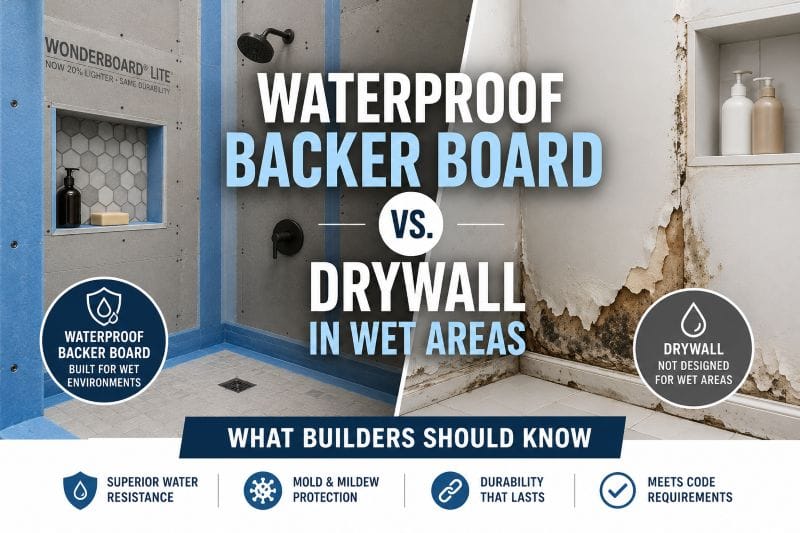
Questions pour définir la direction
Avant de sélectionner un panneau de support étanche, l'équipe du projet doit ralentir et définir l'état de la pièce. Les questions suivantes aident à faire passer la conversation de l'intérêt général du produit à une portée claire de la zone humide.
- What thickness fits the surrounding wall build-up?
- What fastening pattern does the project require?
- How flat is the substrate?
- What accessory details are needed?
| Question | Useful answer |
|---|---|
| Épaisseur | How it meets surrounding finishes |
| Fastening | What pattern and framing support are expected |
| Substrate | Whether correction is needed first |
| Accessories | How seams, corners, and openings are handled |
Thickness Is a Fit Question, Not a Guess
Technical buyers often focus on a single number, but wet-wall performance depends on fit. Thickness, weight, fastening, edge treatment, and substrate condition all influence whether waterproof backer board becomes a clean tile base or a source of jobsite correction. Thickness Is a Fit Question, Not a Guess is where that planning becomes visible. For material buyers comparing board specifications, this matters because the decision is made once but affects every later trade that touches the room.
The right questions are practical. Will the board meet adjacent drywall without an awkward step? Can installers fasten it securely into the framing available? Does the wall plane need correction before board installation? These answers shape a better purchase than a generic product comparison. Thickness Is a Fit Question, Not a Guess is where that planning becomes visible. In this section, the practical goal is to make the wall easier to inspect before the finish hides the work.
A clear submittal package should connect the board to the project condition. It does not need to overpromise. It should simply make thickness, handling, board layout, fastener expectations, and wet-area accessories easy for the site team to understand. Thickness Is a Fit Question, Not a Guess is where that planning becomes visible. The detail does not need to be complicated, but it should be deliberate enough that the crew can repeat it without improvising.
Fastening Decisions Affect Tile Readiness
The right questions are practical. Will the board meet adjacent drywall without an awkward step? Can installers fasten it securely into the framing available? Does the wall plane need correction before board installation? These answers shape a better purchase than a generic product comparison. Fastening Decisions Affect Tile Readiness is where that planning becomes visible. The detail does not need to be complicated, but it should be deliberate enough that the crew can repeat it without improvising.
A clear submittal package should connect the board to the project condition. It does not need to overpromise. It should simply make thickness, handling, board layout, fastener expectations, and wet-area accessories easy for the site team to understand. Fastening Decisions Affect Tile Readiness is where that planning becomes visible. That is why the conversation should stay close to the room, the water path, and the tile finish rather than drifting into vague product language.
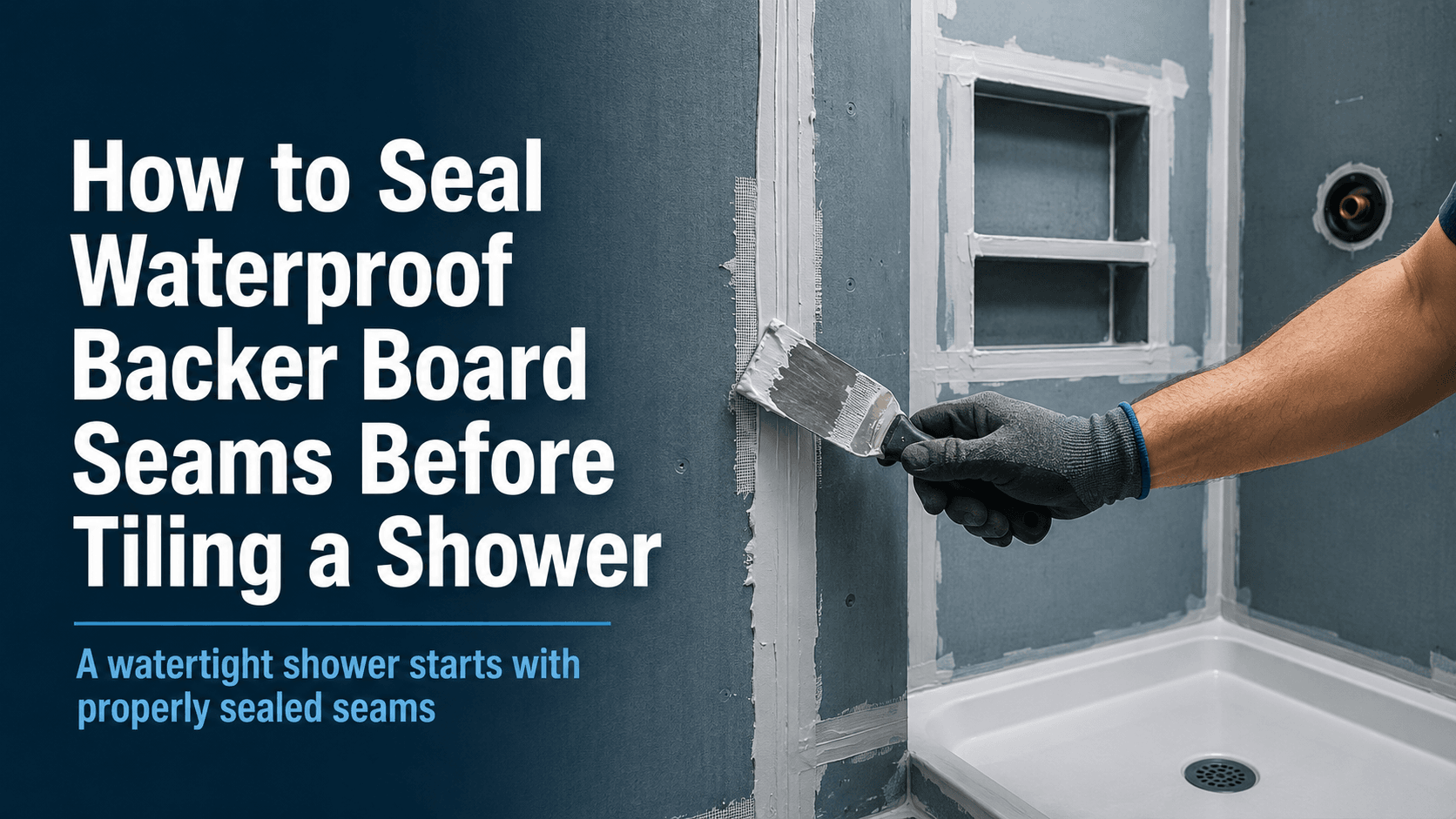
Technical buyers often focus on a single number, but wet-wall performance depends on fit. Thickness, weight, fastening, edge treatment, and substrate condition all influence whether waterproof backer board becomes a clean tile base or a source of jobsite correction. Fastening Decisions Affect Tile Readiness is where that planning becomes visible. When the site team understands this point, the waterproof backer board becomes a planning tool as much as a material choice.
Substrate Conditions Should Be Checked Before Delivery
A clear submittal package should connect the board to the project condition. It does not need to overpromise. It should simply make thickness, handling, board layout, fastener expectations, and wet-area accessories easy for the site team to understand. Substrate Conditions Should Be Checked Before Delivery is where that planning becomes visible. In this section, the practical goal is to make the wall easier to inspect before the finish hides the work.
Technical buyers often focus on a single number, but wet-wall performance depends on fit. Thickness, weight, fastening, edge treatment, and substrate condition all influence whether waterproof backer board becomes a clean tile base or a source of jobsite correction. Substrate Conditions Should Be Checked Before Delivery is where that planning becomes visible. The detail does not need to be complicated, but it should be deliberate enough that the crew can repeat it without improvising.
The right questions are practical. Will the board meet adjacent drywall without an awkward step? Can installers fasten it securely into the framing available? Does the wall plane need correction before board installation? These answers shape a better purchase than a generic product comparison. Substrate Conditions Should Be Checked Before Delivery is where that planning becomes visible. That is why the conversation should stay close to the room, the water path, and the tile finish rather than drifting into vague product language.
Ask About Edges, Seams, and Penetrations
Technical buyers often focus on a single number, but wet-wall performance depends on fit. Thickness, weight, fastening, edge treatment, and substrate condition all influence whether waterproof backer board becomes a clean tile base or a source of jobsite correction. Ask About Edges, Seams, and Penetrations is where that planning becomes visible. That is why the conversation should stay close to the room, the water path, and the tile finish rather than drifting into vague product language.
The right questions are practical. Will the board meet adjacent drywall without an awkward step? Can installers fasten it securely into the framing available? Does the wall plane need correction before board installation? These answers shape a better purchase than a generic product comparison. Ask About Edges, Seams, and Penetrations is where that planning becomes visible. When the site team understands this point, the waterproof backer board becomes a planning tool as much as a material choice.
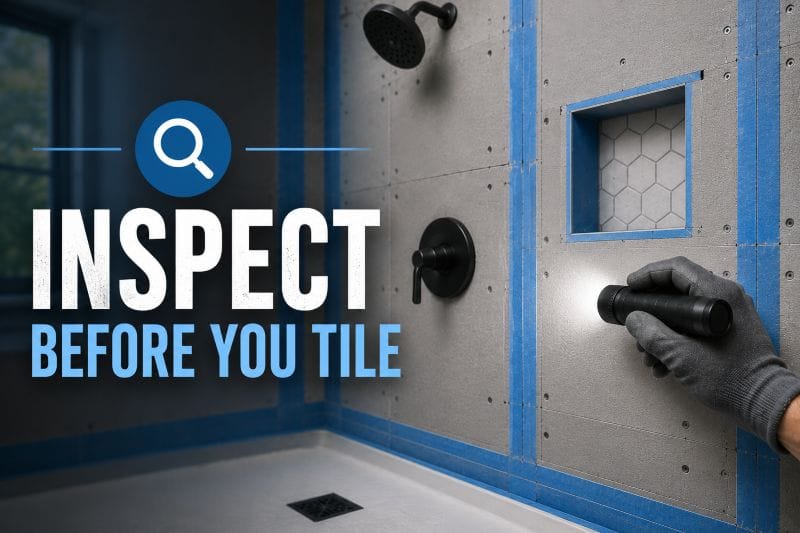
A clear submittal package should connect the board to the project condition. It does not need to overpromise. It should simply make thickness, handling, board layout, fastener expectations, and wet-area accessories easy for the site team to understand. Ask About Edges, Seams, and Penetrations is where that planning becomes visible. For material buyers comparing board specifications, this matters because the decision is made once but affects every later trade that touches the room.
A Buyer-Friendly Submittal Checklist
The right questions are practical. Will the board meet adjacent drywall without an awkward step? Can installers fasten it securely into the framing available? Does the wall plane need correction before board installation? These answers shape a better purchase than a generic product comparison. A Buyer-Friendly Submittal Checklist is where that planning becomes visible. For material buyers comparing board specifications, this matters because the decision is made once but affects every later trade that touches the room.
A clear submittal package should connect the board to the project condition. It does not need to overpromise. It should simply make thickness, handling, board layout, fastener expectations, and wet-area accessories easy for the site team to understand. A Buyer-Friendly Submittal Checklist is where that planning becomes visible. In this section, the practical goal is to make the wall easier to inspect before the finish hides the work.
Technical buyers often focus on a single number, but wet-wall performance depends on fit. Thickness, weight, fastening, edge treatment, and substrate condition all influence whether waterproof backer board becomes a clean tile base or a source of jobsite correction. A Buyer-Friendly Submittal Checklist is where that planning becomes visible. The detail does not need to be complicated, but it should be deliberate enough that the crew can repeat it without improvising.
Comment transformer les conseils en un dossier d'achat
Un dossier d'achat utile doit nommer le type de pièce, la finition, le niveau d'exposition, l'attente d'épaisseur de la planche, les besoins en accessoires et le point d'inspection. Si ces détails manquent, le panneau de support étanche peut toujours être un bon produit, mais l'équipe du site devra combler trop de lacunes lors de l'installation.
L'acheteur n'a pas besoin d'écrire un long manuel technique Une courte note qui décrit où le panneau de support étanche sera utilisé, comment il rencontre les surfaces adjacentes et quelles zones nécessitent une attention particulière peut éviter de nombreuses questions évitables.
Erreurs courantes à éviter
- Choisir une carte de support étanche une fois la disposition des carreaux déjà fixée.
- Traiter toutes les parois humides et sèches comme si elles avaient la même exposition.
- Ignorer les pénétrations, les niches, les bancs ou le support de fixation jusqu'au jour de l'installation.
- Sauter les photos et l'inspection avant que le carrelage ne cache la préparation du mur.
L'erreur la plus coûteuse n'est généralement pas la planche elle-même. Il s'agit de la réaction en chaîne créée lorsque le panneau de support étanche est choisi sans suffisamment d'informations sur le mur, la tuile et la façon dont l'eau se déplacera dans la pièce.
Références externes utiles
Pour un contexte plus large sur la terminologie des carreaux de céramique, les lecteurs peuvent consulter l'aperçu des carreaux de céramique sur https ://en.wikipedia.org/wiki/Ceramic_tile Pour des informations générales sur les concepts d'humidité du bâtiment, le Whole Building Design Guide est une source éducative utile sur https ://www.wbdg.org/resources/moisture-management Ces références soutiennent une compréhension générale et doivent être lues parallèlement aux instructions du produit et aux exigences du code local pour le projet spécifique.
Conclusion
Pour les propriétaires, la même idée peut être expliquée simplement La tuile visible dépend du mur caché Choisir tôt le panneau de support étanche aide l'équipe de rénovation à préparer cette couche cachée avec le même sérieux que la finition que tout le monde verra.
La conversation sur le produit devrait inclure les personnes qui touchent le mur ensuite Les installateurs de carreaux, les plombiers, les installateurs de verre et les superviseurs voient tous des risques différents Lorsqu'ils s'accordent sur la disposition du panneau de support étanche avant le début des travaux, la pièce finie est plus facile à coordonner.