
Waterproof Backer Board Thickness, Fastening, and Substrate Questions Buyers Should Ask
Waterproof Backer Board Thickness, Fastening, and Substrate Questions Buyers Should Ask is a practical topic for material buyers comparing board specifications because the wall behind tile determines how confidently the finished space can handle water, cleaning, and daily use. The focus is not on selling a single detail as a miracle fix. It is on using waterproof backer board in the right places, with the right checks, so the visible finish has a better foundation.
The search intent behind this guide is simple: ask better specification questions before choosing a board for wet walls. Readers usually do not need another broad definition. They need to know what to check, what to ask, and how a waterproof backer board choice changes real decisions on site.
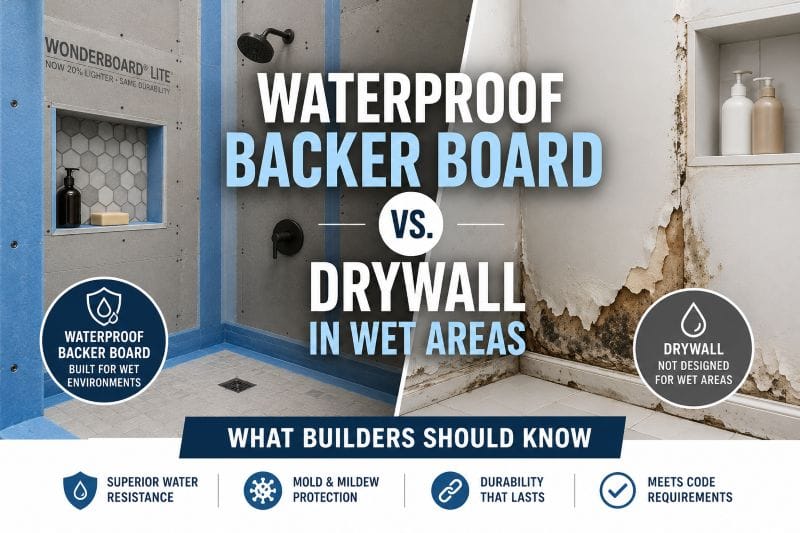
Preguntas para establecer la dirección
Antes de seleccionar una placa de respaldo impermeable, el equipo del proyecto debe reducir la velocidad y definir el estado de la habitación. Las siguientes preguntas ayudan a que la conversación pase del interés general del producto a un alcance claro de área húmeda.
- What thickness fits the surrounding wall build-up?
- What fastening pattern does the project require?
- How flat is the substrate?
- What accessory details are needed?
| Pregunta | Useful answer |
|---|---|
| Espesor | How it meets surrounding finishes |
| Fastening | What pattern and framing support are expected |
| Substrate | Whether correction is needed first |
| Accessories | How seams, corners, and openings are handled |
Thickness Is a Fit Question, Not a Guess
Technical buyers often focus on a single number, but wet-wall performance depends on fit. Thickness, weight, fastening, edge treatment, and substrate condition all influence whether waterproof backer board becomes a clean tile base or a source of jobsite correction. Thickness Is a Fit Question, Not a Guess is where that planning becomes visible. For material buyers comparing board specifications, this matters because the decision is made once but affects every later trade that touches the room.
The right questions are practical. Will the board meet adjacent drywall without an awkward step? Can installers fasten it securely into the framing available? Does the wall plane need correction before board installation? These answers shape a better purchase than a generic product comparison. Thickness Is a Fit Question, Not a Guess is where that planning becomes visible. In this section, the practical goal is to make the wall easier to inspect before the finish hides the work.
A clear submittal package should connect the board to the project condition. It does not need to overpromise. It should simply make thickness, handling, board layout, fastener expectations, and wet-area accessories easy for the site team to understand. Thickness Is a Fit Question, Not a Guess is where that planning becomes visible. The detail does not need to be complicated, but it should be deliberate enough that the crew can repeat it without improvising.
Fastening Decisions Affect Tile Readiness
The right questions are practical. Will the board meet adjacent drywall without an awkward step? Can installers fasten it securely into the framing available? Does the wall plane need correction before board installation? These answers shape a better purchase than a generic product comparison. Fastening Decisions Affect Tile Readiness is where that planning becomes visible. The detail does not need to be complicated, but it should be deliberate enough that the crew can repeat it without improvising.
A clear submittal package should connect the board to the project condition. It does not need to overpromise. It should simply make thickness, handling, board layout, fastener expectations, and wet-area accessories easy for the site team to understand. Fastening Decisions Affect Tile Readiness is where that planning becomes visible. That is why the conversation should stay close to the room, the water path, and the tile finish rather than drifting into vague product language.
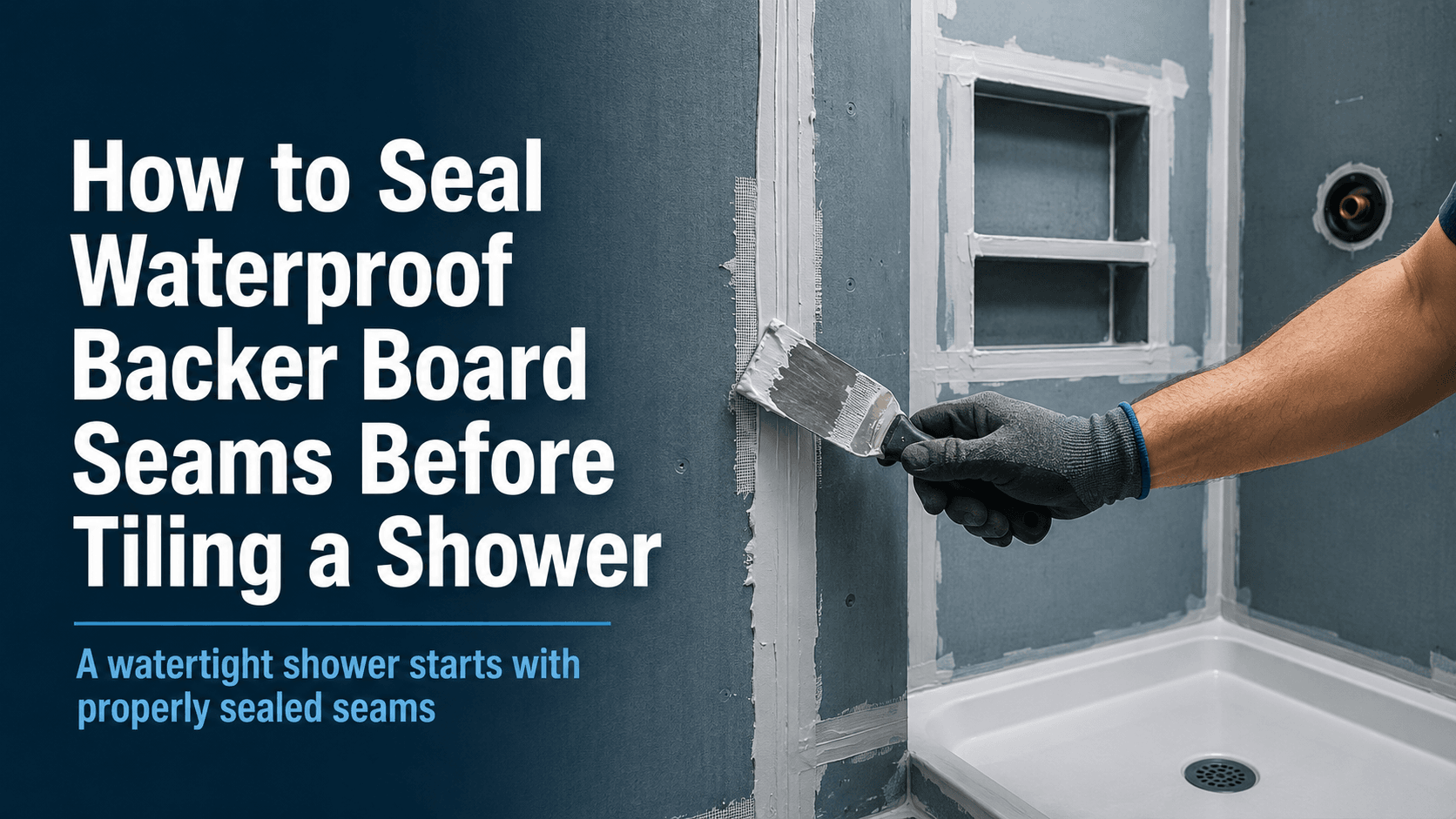
Technical buyers often focus on a single number, but wet-wall performance depends on fit. Thickness, weight, fastening, edge treatment, and substrate condition all influence whether waterproof backer board becomes a clean tile base or a source of jobsite correction. Fastening Decisions Affect Tile Readiness is where that planning becomes visible. When the site team understands this point, the waterproof backer board becomes a planning tool as much as a material choice.
Substrate Conditions Should Be Checked Before Delivery
A clear submittal package should connect the board to the project condition. It does not need to overpromise. It should simply make thickness, handling, board layout, fastener expectations, and wet-area accessories easy for the site team to understand. Substrate Conditions Should Be Checked Before Delivery is where that planning becomes visible. In this section, the practical goal is to make the wall easier to inspect before the finish hides the work.
Technical buyers often focus on a single number, but wet-wall performance depends on fit. Thickness, weight, fastening, edge treatment, and substrate condition all influence whether waterproof backer board becomes a clean tile base or a source of jobsite correction. Substrate Conditions Should Be Checked Before Delivery is where that planning becomes visible. The detail does not need to be complicated, but it should be deliberate enough that the crew can repeat it without improvising.
The right questions are practical. Will the board meet adjacent drywall without an awkward step? Can installers fasten it securely into the framing available? Does the wall plane need correction before board installation? These answers shape a better purchase than a generic product comparison. Substrate Conditions Should Be Checked Before Delivery is where that planning becomes visible. That is why the conversation should stay close to the room, the water path, and the tile finish rather than drifting into vague product language.
Ask About Edges, Seams, and Penetrations
Technical buyers often focus on a single number, but wet-wall performance depends on fit. Thickness, weight, fastening, edge treatment, and substrate condition all influence whether waterproof backer board becomes a clean tile base or a source of jobsite correction. Ask About Edges, Seams, and Penetrations is where that planning becomes visible. That is why the conversation should stay close to the room, the water path, and the tile finish rather than drifting into vague product language.
The right questions are practical. Will the board meet adjacent drywall without an awkward step? Can installers fasten it securely into the framing available? Does the wall plane need correction before board installation? These answers shape a better purchase than a generic product comparison. Ask About Edges, Seams, and Penetrations is where that planning becomes visible. When the site team understands this point, the waterproof backer board becomes a planning tool as much as a material choice.
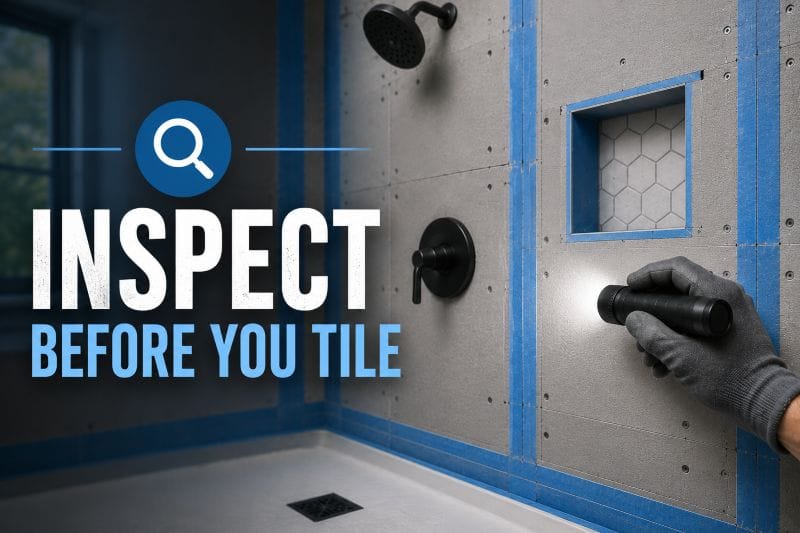
A clear submittal package should connect the board to the project condition. It does not need to overpromise. It should simply make thickness, handling, board layout, fastener expectations, and wet-area accessories easy for the site team to understand. Ask About Edges, Seams, and Penetrations is where that planning becomes visible. For material buyers comparing board specifications, this matters because the decision is made once but affects every later trade that touches the room.
A Buyer-Friendly Submittal Checklist
The right questions are practical. Will the board meet adjacent drywall without an awkward step? Can installers fasten it securely into the framing available? Does the wall plane need correction before board installation? These answers shape a better purchase than a generic product comparison. A Buyer-Friendly Submittal Checklist is where that planning becomes visible. For material buyers comparing board specifications, this matters because the decision is made once but affects every later trade that touches the room.
A clear submittal package should connect the board to the project condition. It does not need to overpromise. It should simply make thickness, handling, board layout, fastener expectations, and wet-area accessories easy for the site team to understand. A Buyer-Friendly Submittal Checklist is where that planning becomes visible. In this section, the practical goal is to make the wall easier to inspect before the finish hides the work.
Technical buyers often focus on a single number, but wet-wall performance depends on fit. Thickness, weight, fastening, edge treatment, and substrate condition all influence whether waterproof backer board becomes a clean tile base or a source of jobsite correction. A Buyer-Friendly Submittal Checklist is where that planning becomes visible. The detail does not need to be complicated, but it should be deliberate enough that the crew can repeat it without improvising.
Cómo convertir los consejos en un resumen de compras
Un resumen de compra útil debe indicar el tipo de habitación, el acabado, el nivel de exposición, la expectativa de espesor del tablero, las necesidades de accesorios y el punto de inspección. Si faltan esos detalles, el tablero de respaldo impermeable aún puede ser un buen producto, pero el equipo del sitio tendrá que llenar demasiados vacíos durante la instalación.
El comprador no necesita escribir un manual técnico extenso. Una breve nota que describa dónde se utilizará el tablero de respaldo impermeable, cómo se encuentra con las superficies adyacentes y qué áreas requieren atención especial puede evitar muchas preguntas evitables.
Errores comunes a evitar
- Elegir una placa de respaldo impermeable después de que el diseño de los azulejos ya esté arreglado.
- Tratar todas las paredes húmedas y secas como si tuvieran la misma exposición.
- Ignorar penetraciones, nichos, bancos o respaldo de accesorios hasta el día de la instalación.
- Saltarse fotografías e inspeccionar antes de que los azulejos oculten la preparación de la pared.
El error más caro no suele ser el tablero en sí. Es la reacción en cadena que se crea cuando se elige el tablero de soporte impermeable sin suficiente información sobre la pared, las baldosas y la forma en que el agua se moverá por la habitación.
Referencias externas útiles
Para obtener más información sobre la terminología de losetas cerámicas, los lectores pueden revisar la descripción general de los azulejos cerámicos en https://en.wikipedia.org/wiki/Ceramic_tile. Para obtener información general sobre los conceptos de humedad de los edificios, la Guía completa de diseño de edificios es una fuente educativa útil en https://www.wbdg.org/resources/moisture-management. Estas referencias respaldan la comprensión general y deben leerse junto con las instrucciones del producto y los requisitos del código local para el proyecto específico.
Conclusión
Para los propietarios, la misma idea se puede explicar de forma sencilla. El mosaico visible depende de la pared oculta. Elegir temprano un tablero de respaldo impermeable ayuda al equipo de renovación a preparar esa capa oculta con la misma seriedad que el acabado que todos verán.
La conversación sobre el producto debe incluir a las personas que tocan la pared a continuación. Los instaladores de azulejos, plomeros, instaladores de vidrio y supervisores ven diferentes riesgos. Cuando se ponen de acuerdo sobre el diseño del tablero de soporte impermeable antes de que comience el trabajo, la sala terminada es más fácil de coordinar.