
Waterproof Backer Board for Tile Installers: Pre-Tile Handoff Notes That Matter
Waterproof Backer Board for Tile Installers: Pre-Tile Handoff Notes That Matter answers a practical search intent for tile installers, remodelers, and site supervisors: handoff guidance from substrate prep to tile installation. The short answer is that the wall should be evaluated before tile returns, fixtures are fixed, or materials are ordered.
Table of Contents
A Waterproof Backer Board handoff should tell the tile installer what is ready, what was checked, and which details still need attention. A clear handoff reduces arguments after tile hides the wall.
For external context, TCNA lists ANSI standards related to tile installation, and its ceramic tile installation FAQ reinforces why substrate preparation should be settled before tile work begins.
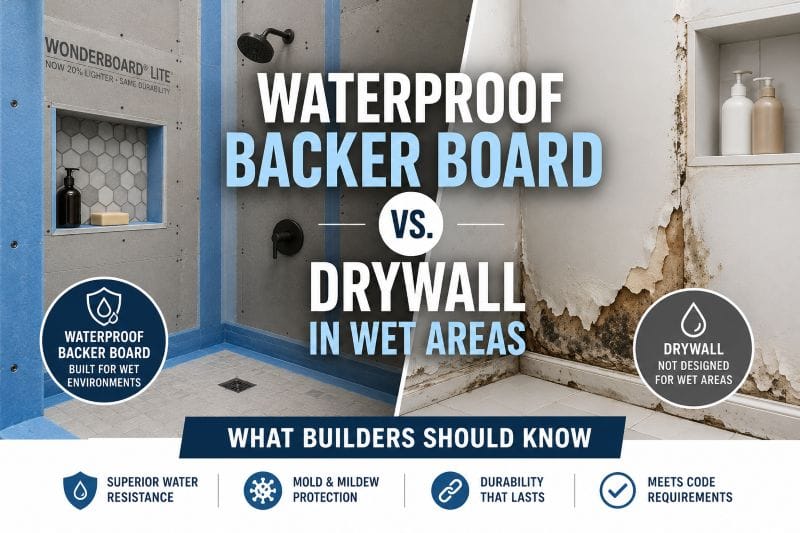
Pre-Tile Handoff Snapshot
| Question | Practical answer |
|---|---|
| Where is water exposure highest? | Start with shower, tub, splash, steam, or cleaning zones. |
| What must be visible before tile? | Board layout, seams, corners, openings, and transitions. |
| Which product pages help? | Tile Decoupling Membrane, Waterproof Backer Board |
| What should be documented? | A short pre-tile photo record and written approval note. |
Handoff Questions for Tile Installers
- Does the proposed waterproof backer board location match the real wet-wall boundary?
- Are penetrations, corners, benches, shelves, or transitions already shown on the wall plan?
- Is the surface ready for the selected tile size and finish sequence?
- Can the owner or supervisor verify the hidden work before it disappears?
Start With Wall Plane Readiness
Tile installers need a surface they can trust. Before tile begins, waterproof backer board should be checked for flatness, firm fastening, stable edges, and alignment with the tile format.
List the Seam Treatment Status
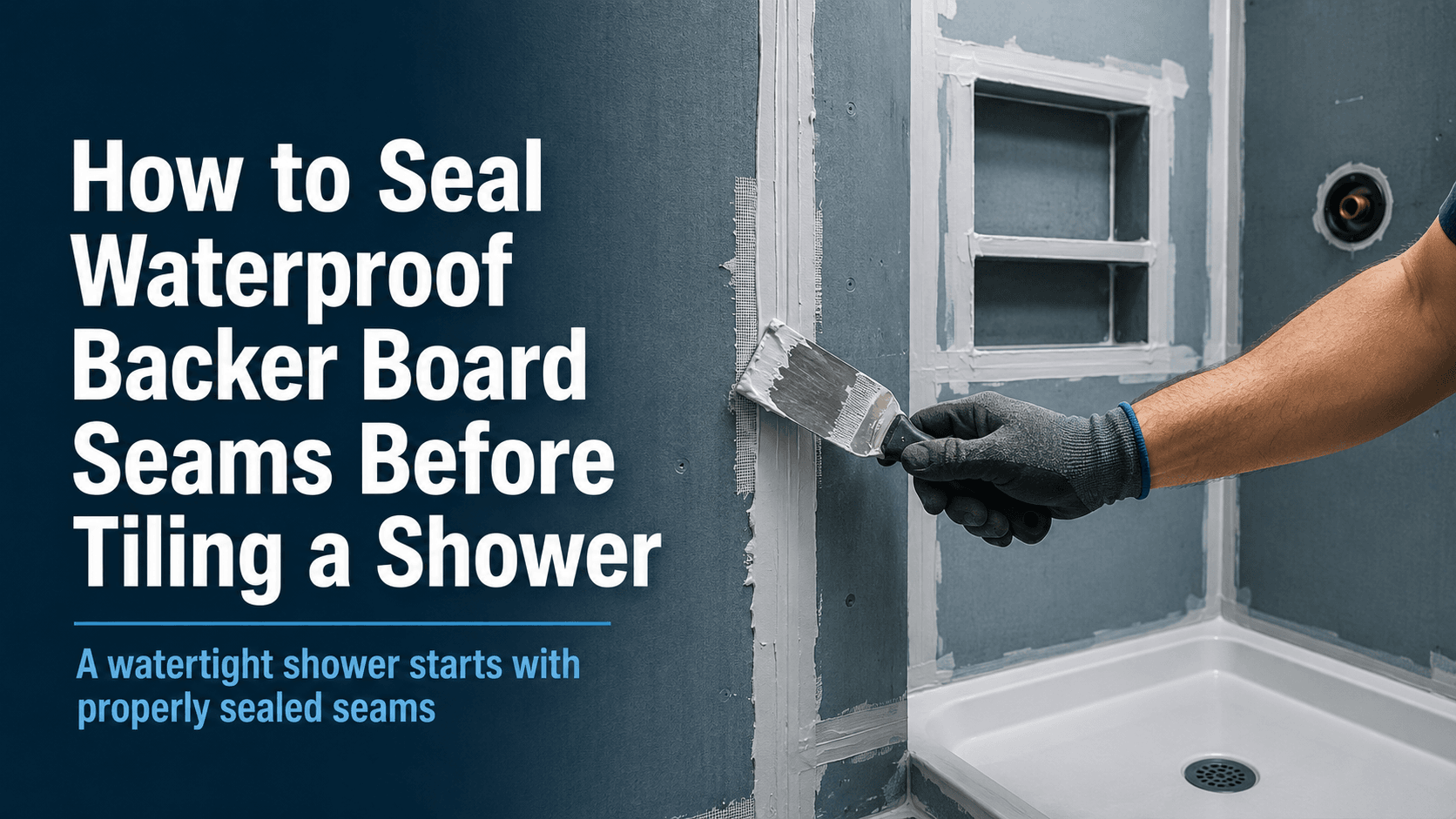
A handoff note should say whether seams, corners, and transitions are ready for the next step. Waterproof backer board is easier to accept when the installer knows exactly what has been completed.
Identify Openings and Hardware Zones
Valves, pipe collars, shelving, glass hardware, and benches should be marked or photographed. These details help the tile installer work around waterproof backer board without damaging the preparation.
Connect Tile Layout to Board Layout
Large tile, feature bands, and niche edges make substrate planning visible. If the board layout conflicts with the tile plan, waterproof backer board should be corrected before mortar is mixed.
Keep the Handoff Short and Specific
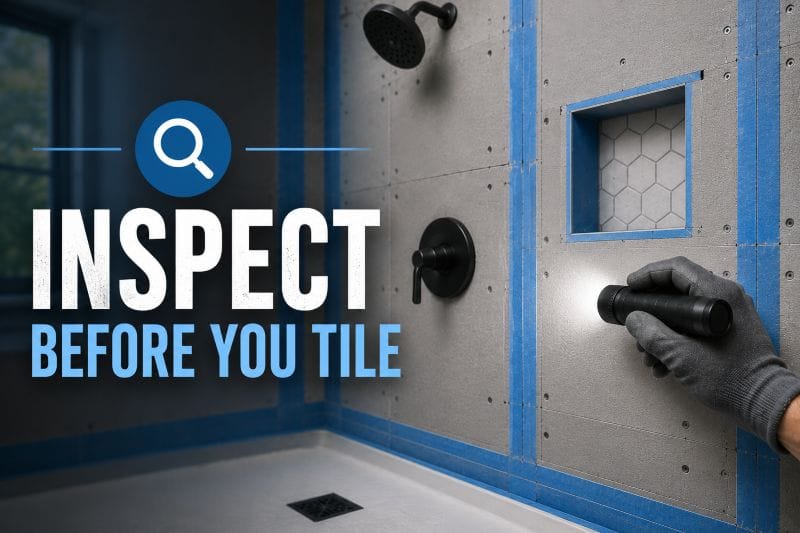
A useful handoff is not a long report. It is a focused set of notes showing that waterproof backer board is secure, clean, dry, accessible, and ready for the finish system.
Related Pages for Tile-Ready Walls
For the product decision, review Tile Decoupling Membrane, Waterproof Backer Board, Self-Adhesive Mesh Tape. These pages help connect the article advice to actual board, accessory, and application options on the site.
Tile Installer Handoff FAQs
What should a tile installer see before starting?
The installer should see a flat wall plane, supported edges, clean openings, visible seams, and notes about unresolved substrate details.
How long should the handoff note be?
It should be short enough to use on site. A concise checklist with photos is more useful than a long document nobody reads.
Should tile layout affect board layout?
Yes. Large tile, niches, trim, and feature bands can all expose substrate problems. Board layout and tile layout should be compared early.
Who should approve the wall?
The responsible site supervisor, installer, or project lead should approve the wall before tile begins, depending on the project workflow.
What photos matter most?
Photograph seams, corners, valves, penetrations, lower transitions, and any area that will be impossible to inspect after tile.
Pre-Tile Handoff Takeaway
A pre-tile handoff is a practical quality-control moment. It turns hidden substrate work into visible, reviewable information before the finish begins.
For tile installers, waterproof backer board works best when the board condition, seam status, and opening details are clearly handed over instead of assumed.