
Waterproof Backer Board for Tub-to-Shower Conversions: What Changes Behind the Tile
Waterproof Backer Board for Tub-to-Shower Conversions: What Changes Behind the Tile answers a practical search intent for homeowners, remodelers, and bathroom contractors: wall planning for converting a tub area into a shower. The short answer is that the wall should be evaluated before tile returns, fixtures are fixed, or materials are ordered.
Table of Contents
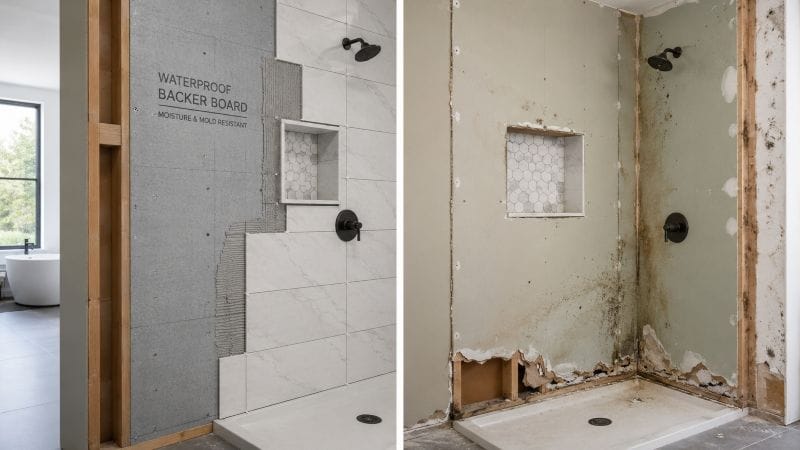
A Waterproof Backer Board becomes more important when a tub alcove is converted into a shower because the wall exposure changes. The old surround may have handled occasional splash, while the new shower wall receives direct spray and more frequent cleaning.
For external reference, the EPA explains the importance of fixing moisture sources before mold problems develop, and TCNA gives general ceramic tile installation background that helps frame substrate questions during conversions.
Tub-to-Shower Conversion Snapshot
| Question | Practical answer |
|---|---|
| Where is water exposure highest? | Start with shower, tub, splash, steam, or cleaning zones. |
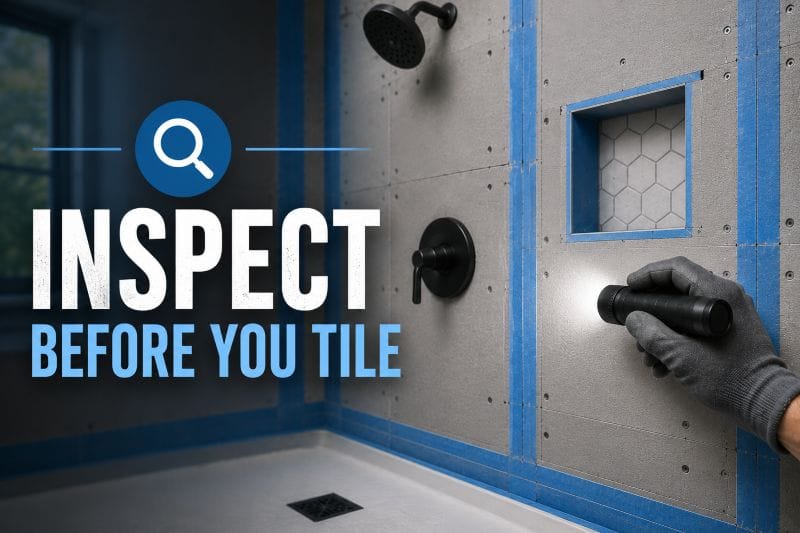
| What must be visible before tile? | Board layout, seams, corners, openings, and transitions. |
| Which product pages help? | Bathroom Moisture Protection System, Waterproof Pipe Collar |
| What should be documented? | A short pre-tile photo record and written approval note. |
Conversion Questions Before Rebuilding the Wall
- Does the proposed waterproof backer board location match the real wet-wall boundary?
- Are penetrations, corners, benches, shelves, or transitions already shown on the wall plan?
- Is the surface ready for the selected tile size and finish sequence?
- Can the owner or supervisor verify the hidden work before it disappears?
Recognize the Exposure Change
A tub wall and a shower wall are not used the same way. When a tub becomes a shower, the wall sees more direct water, more frequent spray, and more penetrations, which changes how waterproof backer board should be planned.
Review Plumbing Before Board Layout
New valves, shower heads, hand showers, and diverters can shift the wall plan. Waterproof backer board should be cut after the plumbing layout is clear, not while openings are still uncertain.
Plan the Entry and Glass Line
A conversion often adds glass, a curb, or a low-threshold entry. The board layout should support those edges so waterproof backer board is not interrupted where hardware and water meet.
Check Old Wall Conditions Honestly
Existing damage should not be hidden behind new tile. Remove weak material, inspect framing, and confirm the surface before waterproof backer board is installed.
Explain the Upgrade to the Owner
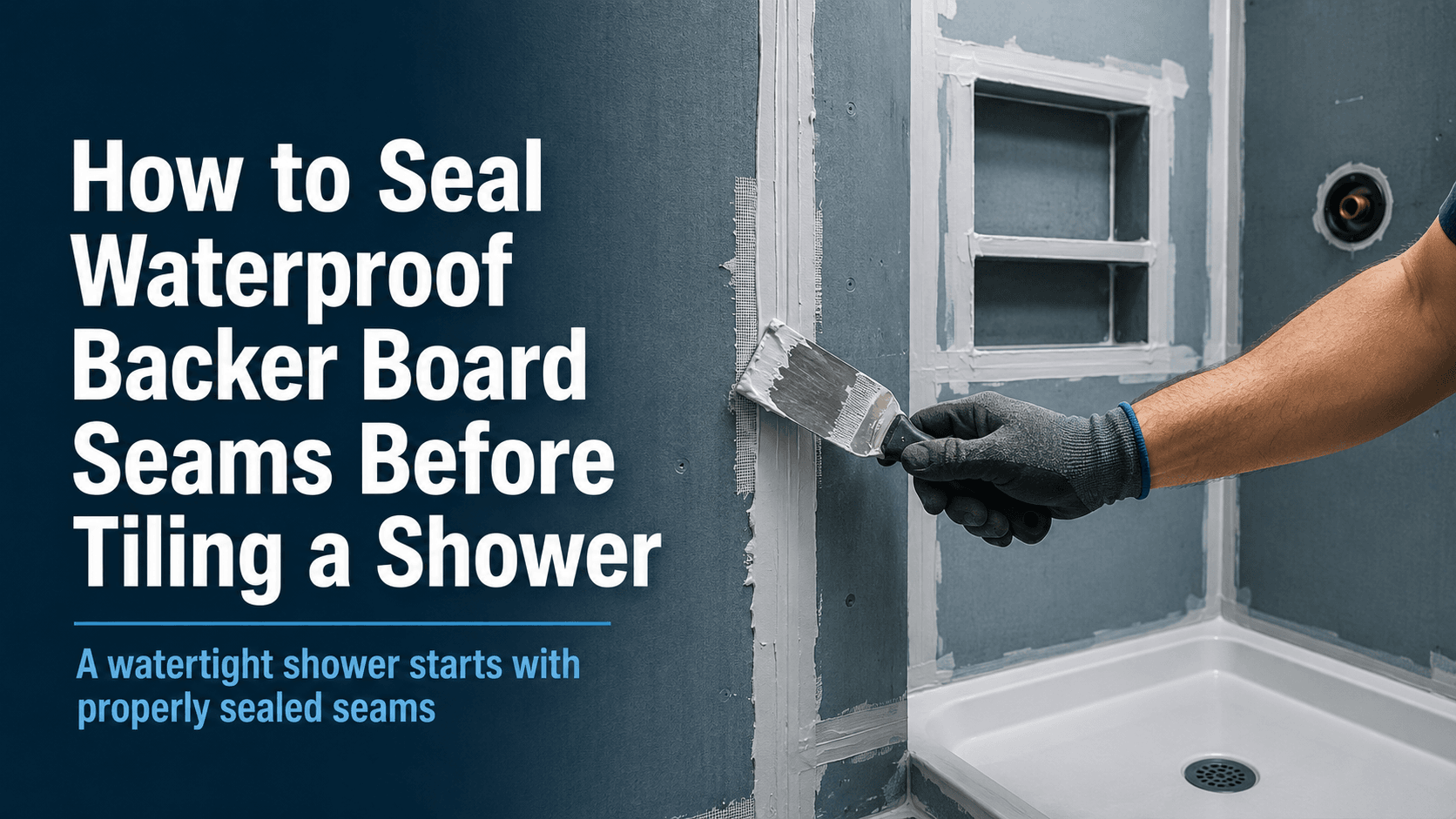
Owners often focus on tile and fixtures. A clear explanation of waterproof backer board helps them understand why the hidden wall has to change when the room's water exposure changes.
Related Pages for Shower Conversion Planning
For the product decision, review Bathroom Moisture Protection System, Waterproof Pipe Collar, Waterproof Backer Board. These pages help connect the article advice to actual board, accessory, and application options on the site.
Tub-to-Shower Conversion FAQs
What changes when a tub becomes a shower?
The wall receives more direct spray, the entry line changes, and plumbing may move. The waterproof backer board plan should reflect that new exposure.
Should old wall material be reused?
Do not assume old wall material is suitable. Check framing, damage, moisture history, and tile backing needs before rebuilding the shower wall.
Why does the glass line matter?
Glass panels, doors, or splash screens affect where water lands and where hardware penetrates the wall. These locations should be coordinated before board work.
What should be checked around plumbing?
Review valve height, shower head location, pipe openings, blocking, and service access before cutting board.
How can contractors explain the upgrade?
Explain that the project is not only changing the fixture. It is changing the wall’s water exposure, which affects substrate planning.
Conversion Takeaway
A conversion should not treat the old tub wall as a finished answer. The new shower use changes water exposure, access, glass lines, and tile requirements.
Waterproof backer board is most useful here when it is selected after the existing wall condition and new shower layout have both been checked.