
Waterproof Backer Board for Multi-Family Bathrooms: Keeping Wet-Wall Work Consistent
Waterproof Backer Board for Multi-Family Bathrooms: Keeping Wet-Wall Work Consistent answers a practical search intent for developers, general contractors, and site supervisors: repeatable wet-wall quality in multi-family construction. The short answer is that the wall should be evaluated before tile returns, fixtures are fixed, or materials are ordered.
Table of Contents
A Waterproof Backer Board can help multi-family bathroom projects only when the details repeat cleanly. The material choice should be tied to mockups, room types, trade handoffs, and inspection photos instead of being left to each crew to interpret.
For external context on repeated wet rooms, the EPA publishes moisture control guidance for building design and construction, and WBDG provides broader training on managing moisture in building enclosures.
Multi-Family Bathroom Consistency Snapshot
| Question | Practical answer |
|---|---|
| Where is water exposure highest? | Start with shower, tub, splash, steam, or cleaning zones. |
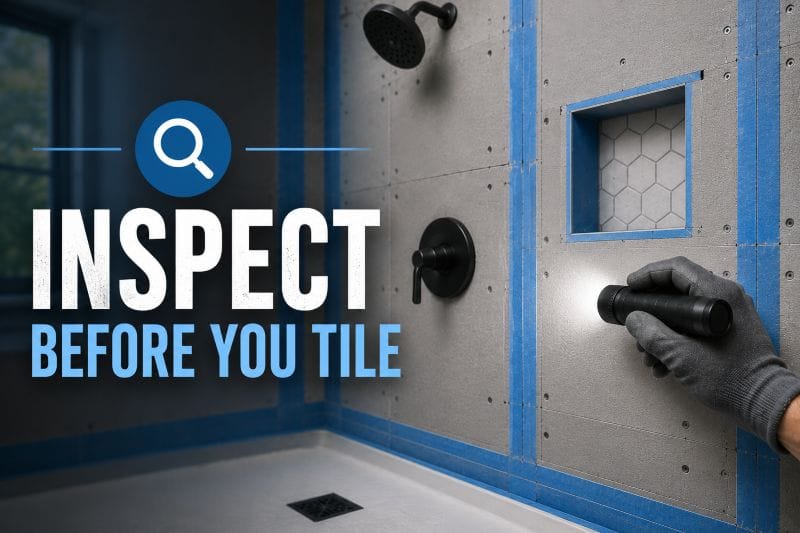
| What must be visible before tile? | Board layout, seams, corners, openings, and transitions. |
| Which product pages help? | Application Cases, Waterproof Backer Board |
| What should be documented? | A short pre-tile photo record and written approval note. |
Repeatable Bathroom Questions for Project Teams
- Does the proposed waterproof backer board location match the real wet-wall boundary?
- Are penetrations, corners, benches, shelves, or transitions already shown on the wall plan?
- Is the surface ready for the selected tile size and finish sequence?
- Can the owner or supervisor verify the hidden work before it disappears?
Standardize What Actually Repeats
Multi-family bathrooms look repetitive, but not every unit is identical. Standard details should cover the common wet walls, while accessible units, plumbing chases, and corner layouts get separate notes for waterproof backer board.
Use Mockups for More Than Appearance
A bathroom mockup should check board layout, penetrations, seams, transition edges, and inspection photos. That makes waterproof backer board part of the construction standard rather than a hidden material decision.
Control Material Staging
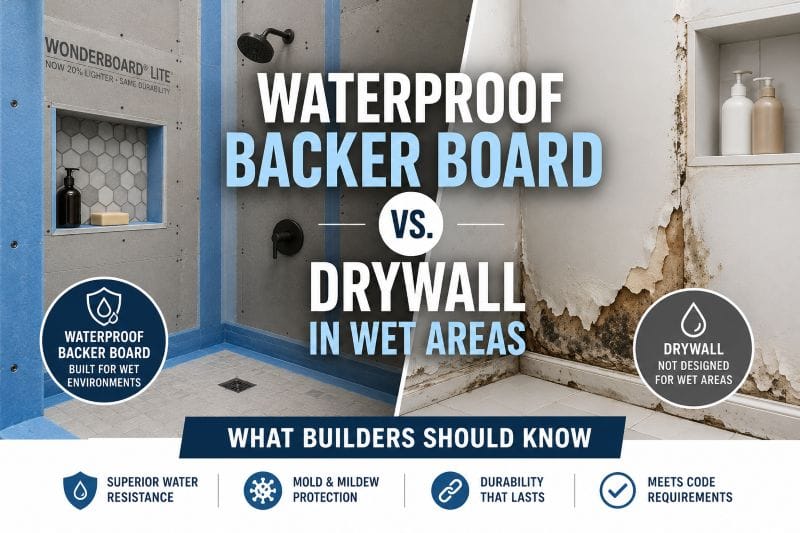
Repeated rooms fail when materials are staged casually. Bundling board, accessories, and room labels helps crews place waterproof backer board where it belongs without guessing.
Make Inspection Photos Repeatable
The supervisor should ask for the same photo sequence in each bathroom type. Photos of seams, valves, corners, and transitions make waterproof backer board installation easier to compare across units.

Help Future Maintenance Teams
Consistent records help after occupancy. If a repair is needed, facility teams can understand where waterproof backer board was used and how similar rooms were built.
Related Pages for Multi-Room Wet Areas
For the product decision, review Application Cases, Waterproof Backer Board, Industrial and Commercial Applications. These pages help connect the article advice to actual board, accessory, and application options on the site.
Multi-Family Bathroom FAQs
Why are multi-family bathrooms different?
The same bathroom detail may repeat dozens or hundreds of times. A small unclear board decision can become a repeated quality issue across the project.
What should the mockup include?
The mockup should show board extent, seam locations, penetrations, tile height, fixture openings, and photo standards for later rooms.
How can material staging affect quality?
Damaged board edges, mixed accessories, or unclear room packages can slow crews and create inconsistent wet-wall work.
Should every unit use the same board scope?
Similar unit types should be standardized, but accessible units, tub-to-shower conversions, or special layouts may need separate notes.
What should be handed to maintenance teams?
Keep photos and simple notes showing what was installed before tile. That record helps future maintenance understand the hidden wall condition.
Multi-Family Bathroom Takeaway
Multi-family work is less about one perfect room and more about repeatable decisions. The approved wall detail should be easy for different crews to follow without guessing.
When waterproof backer board is connected to mockups, staging, and inspection photos, it supports project control as much as material selection.