
Waterproof Backer Board for Shower Niches: How to Avoid Weak Inside Corners
Waterproof Backer Board for Shower Niches: How to Avoid Weak Inside Corners answers a practical search intent for tile installers and contractors building recessed shower storage: niche-specific detailing for wet shower storage. The short answer is that the wall should be evaluated before tile returns, fixtures are fixed, or materials are ordered.
Table of Contents
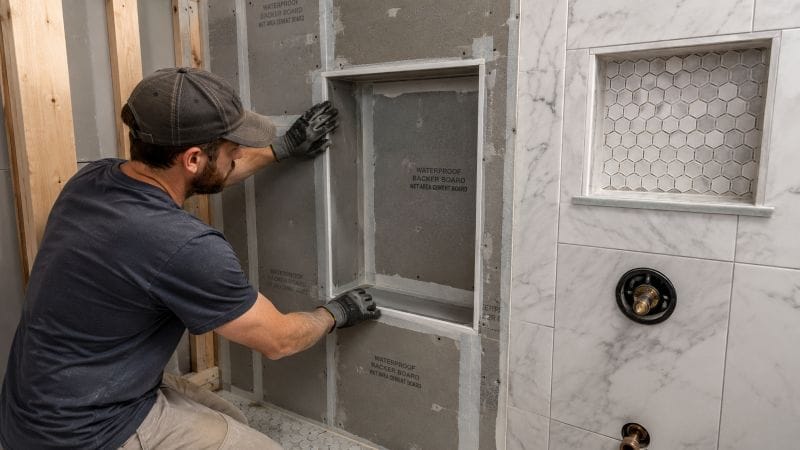
A Waterproof Backer Board around a shower niche should be planned as a small wet assembly, not as a simple rectangular cutout. The niche has inside corners, a bottom ledge, side returns, and tile layout constraints that deserve their own inspection.
For external reference, TCNA offers general ceramic tile installation guidance, and the EPA summarizes why mold and moisture control should be addressed before enclosed shower details are covered.
Shower Niche Detail Snapshot
| Question | Practical answer |
|---|---|
| Where is water exposure highest? | Start with shower, tub, splash, steam, or cleaning zones. |
| What must be visible before tile? | Board layout, seams, corners, openings, and transitions. |
| Which product pages help? | Self-Adhesive Mesh Tape, Waterproof Corner Seal Corner |
| What should be documented? | A short pre-tile photo record and written approval note. |
Niche Questions Before the Wall Closes
- Does the proposed waterproof backer board location match the real wet-wall boundary?
- Are penetrations, corners, benches, shelves, or transitions already shown on the wall plan?
- Is the surface ready for the selected tile size and finish sequence?
- Can the owner or supervisor verify the hidden work before it disappears?
Plan the Niche Before the Wall Closes
A niche is not a decorative cutout added at the end. Its size, height, shelf slope, and tile alignment should be set before waterproof backer board is cut.
Frame the Opening for Stable Edges
The board pieces around a niche need firm backing. Unsupported strips and rushed cuts create weak corners, while waterproof backer board works best when the framing gives each edge a clean landing.
Respect the Bottom Shelf
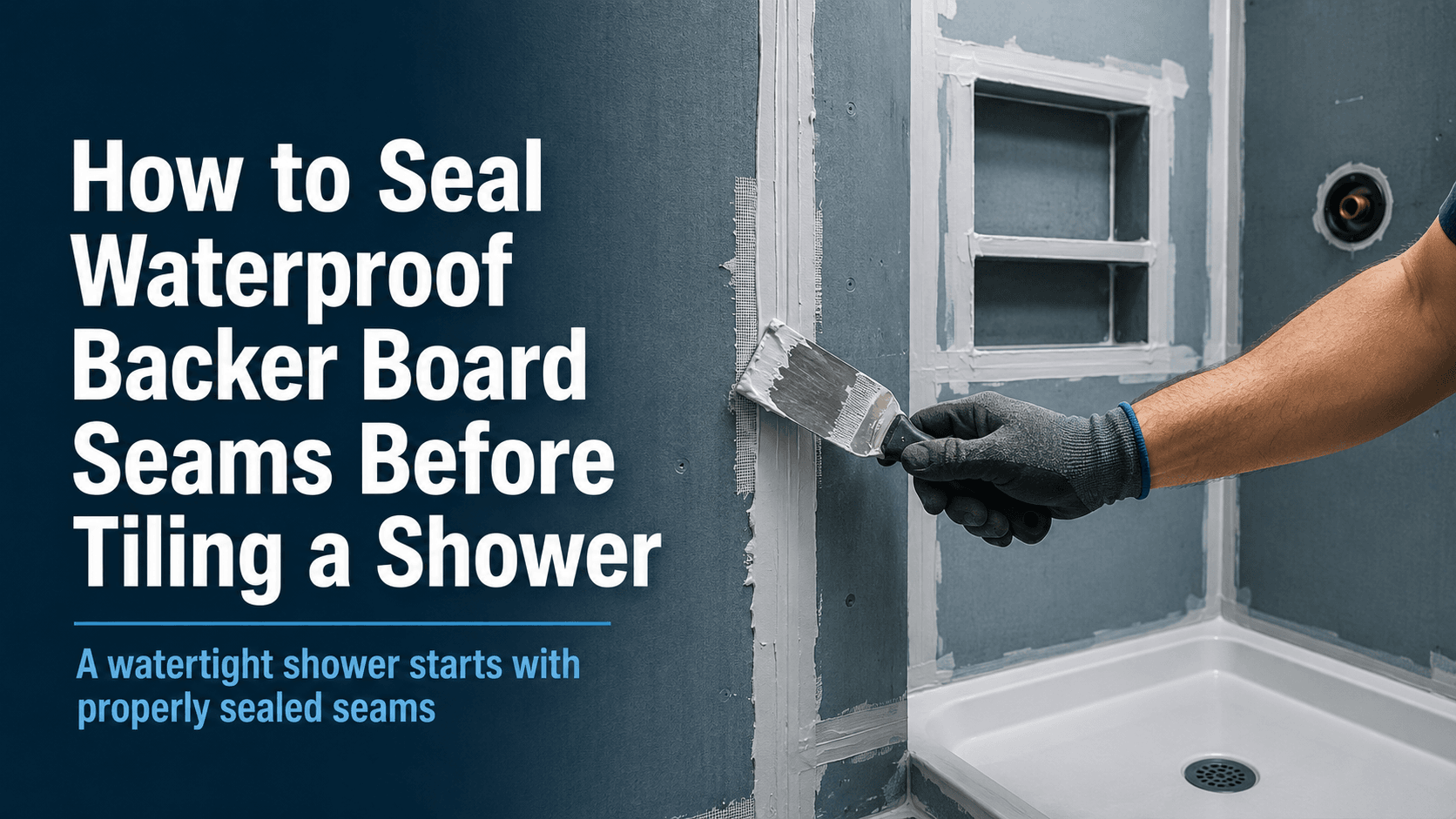
The bottom of a niche receives direct water and product weight. It should be treated as a small wet surface, not just a visual line in the tile layout. Waterproof backer board needs support and an intentional slope strategy there.
Control Inside Corners
Inside corners are where several small decisions meet. The installer should review board cuts, accessory treatment, and tile layout together so waterproof backer board does not become a patchwork of narrow pieces.
Inspect Before Tile Hides the Niche
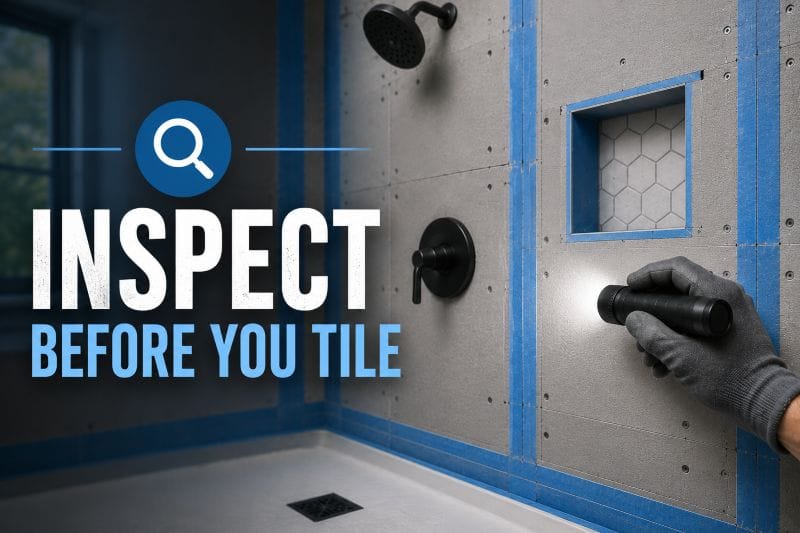
A finished niche may look simple, but the hidden details decide whether it is easy to maintain. Photos before tile help confirm that waterproof backer board was installed cleanly around every return.
Related Pages for Shower Niche Work
For the product decision, review Self-Adhesive Mesh Tape, Waterproof Corner Seal Corner, Waterproof Backer Board. These pages help connect the article advice to actual board, accessory, and application options on the site.
Shower Niche FAQs
Why are shower niches a weak point?
Niches combine several board edges and inside corners in a small area. Water can sit on the bottom shelf, so the waterproof backer board layout should be reviewed before tile.
When should niche size be confirmed?
Confirm niche size before the wall closes. Changing the opening later can create awkward cuts, weak edges, or rushed waterproofing details.
What should installers photograph?
Photograph the back panel, side returns, bottom shelf, inside corners, and nearby valve wall before tile begins. These photos make hidden work easier to review.
Can a niche be added late?
Late additions are risky because framing, board support, and tile layout may already be fixed. If possible, plan the niche before board installation.
What should buyers ask the supplier?
Ask which board and auxiliary materials are appropriate for niche corners, seams, and transitions in the selected shower wall system.
Shower Niche Takeaway
A niche looks small, but it concentrates many wet-wall decisions. Board support, inside corners, ledges, and tile layout should all be checked while the opening is still visible.
For this use case, waterproof backer board is most valuable when it helps the installer create a clean, inspectable niche before the finish layer hides the details.