
Waterproof Backer Board for Kitchen Backsplash Areas: When Extra Wall Protection Makes Sense
Waterproof Backer Board for Kitchen Backsplash Areas: When Extra Wall Protection Makes Sense answers a practical search intent for kitchen remodelers, commercial interior teams, and buyers: decide where kitchen splash zones need wet-area backing. The short answer is that the wall should be evaluated before tile returns, fixtures are fixed, or materials are ordered.
Table of Contents
A Waterproof Backer Board is not automatically required behind every kitchen finish. It becomes more relevant where tile, sinks, equipment, frequent cleaning, or commercial splash exposure make a stronger wall substrate easier to justify.
For external context, the EPA recommends practical moisture control steps in kitchens and bathrooms, and TCNA gives additional background on cleaning grout in tiled areas where backsplash maintenance is part of the finish plan.
Kitchen Backsplash Scope Snapshot
| Question | Practical answer |
|---|---|
| Where is water exposure highest? | Start with shower, tub, splash, steam, or cleaning zones. |
| What must be visible before tile? | Board layout, seams, corners, openings, and transitions. |
| Which product pages help? | Waterproof Backer Board, Bathroom Moisture Protection System |
| What should be documented? | A short pre-tile photo record and written approval note. |
Backsplash Questions for Buyers and Installers
- Does the proposed waterproof backer board location match the real wet-wall boundary?
- Are penetrations, corners, benches, shelves, or transitions already shown on the wall plan?
- Is the surface ready for the selected tile size and finish sequence?
- Can the owner or supervisor verify the hidden work before it disappears?
Define the Real Splash Zone
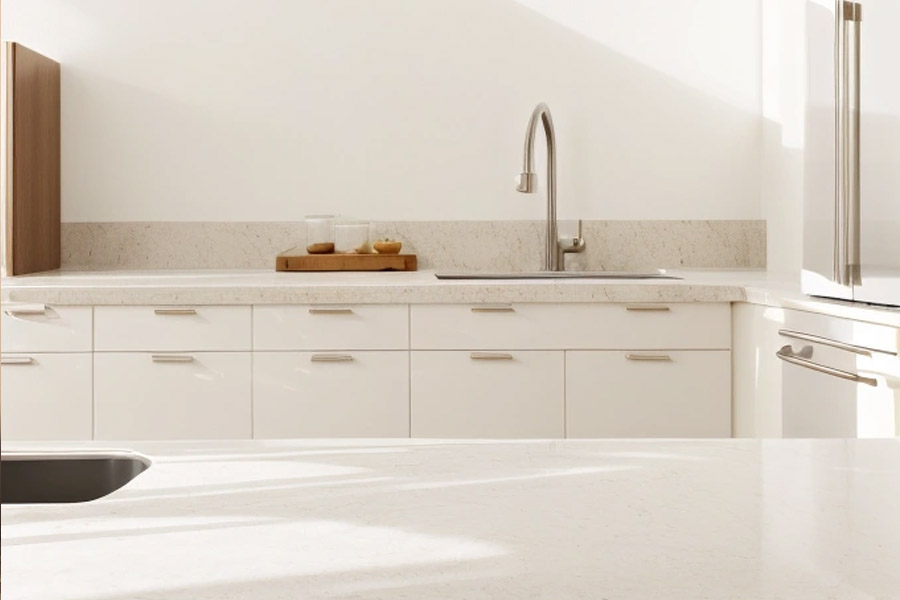
A kitchen does not need to be treated like a shower, but some walls see repeated splash and cleaning. Behind sinks, prep counters, and food-service areas, waterproof backer board can make sense as part of a targeted wall plan.
Avoid Overbuilding Dry Walls
Good specification is selective. Dry storage walls and decorative areas may not need the same treatment as wet work zones. The value of waterproof backer board is strongest where water or cleaning routines actually reach the surface.
Think About Cleaning Routines
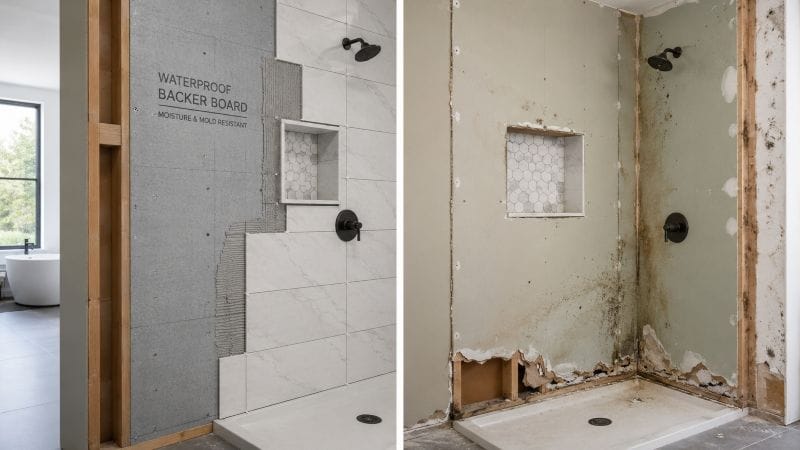
Commercial and busy residential kitchens are cleaned differently from bedrooms or offices. If the finish will be tile, waterproof backer board gives the installer a more suitable base in splash-prone areas.
Coordinate Outlets and Equipment
Kitchen walls often include outlets, brackets, rails, and equipment changes. Around those details, waterproof backer board should be planned with openings and edge protection in mind.
Write a Narrow Scope
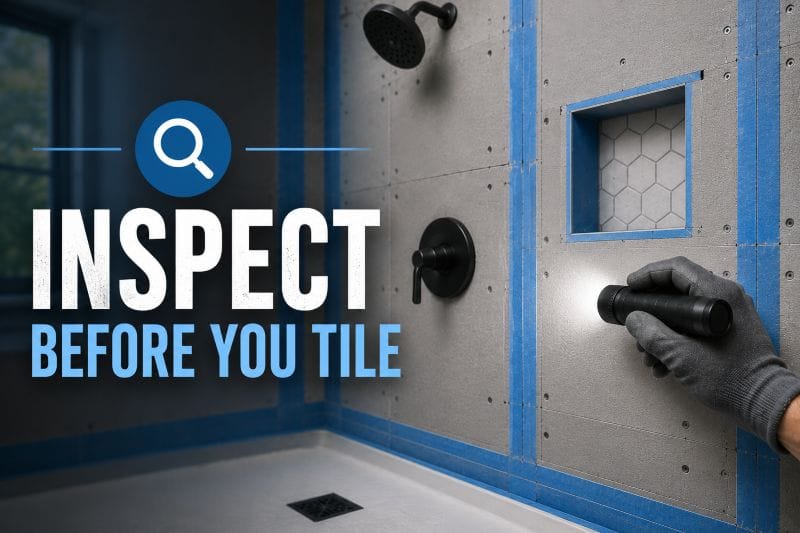
A narrow scope can be better than a broad one. It tells the crew exactly where waterproof backer board belongs and helps the buyer understand why the product is being used only where it adds value.
Related Pages for Kitchen Wall Protection
For the product decision, review Waterproof Backer Board, Bathroom Moisture Protection System, Construction Waterproof Sealant. These pages help connect the article advice to actual board, accessory, and application options on the site.
Kitchen Backsplash FAQs
Does every kitchen backsplash need waterproof backer board?
No. Dry decorative backsplash areas may not need it. The material makes more sense near sinks, prep areas, commercial cleaning zones, or tiled walls that need better support.
How should outlet areas be planned?
Outlet and switch openings should be marked before board cutting. Clean cutouts help the tile layout and reduce patching around electrical boxes.
Is this useful for commercial kitchens?
It can be useful where splash, wiping, and equipment-adjacent walls are frequent concerns. The scope should stay narrow and tied to the real exposure zone.
What is the main overbuilding risk?
The risk is covering dry walls unnecessarily. Buyers should define the splash zone first, then decide where waterproof backer board adds value.
What should be included in a quote request?
Include backsplash dimensions, sink or equipment locations, tile height, outlet count, and cleaning expectations so the supplier can discuss the right board scope.
Kitchen Backsplash Takeaway
Kitchen backsplash planning should be selective. The best use of board is around real splash, cleaning, and tile-support needs rather than across every wall by default.
A narrow scope is easier to buy, install, and explain. It also keeps the waterproof backer board connected to a visible wall condition instead of turning it into a generic upgrade.