
Waterproof Backer Board for Steam Shower Walls: Details That Need Early Planning
Waterproof Backer Board for Steam Shower Walls: Details That Need Early Planning answers a practical search intent for designers, spa builders, and shower contractors: steam shower substrate planning before tile and fixtures. The short answer is that the wall should be evaluated before tile returns, fixtures are fixed, or materials are ordered.
Table of Contents
A Waterproof Backer Board should be evaluated differently in a steam shower than in an ordinary splash wall. Steam rooms concentrate vapor near ceilings, upper corners, benches, and fixture penetrations, so this article focuses on details the project team can inspect before tile and glass make the assembly harder to review.
For external reference, the Tile Council of North America notes separate steam room tile installation guidance, while the EPA explains why moisture control and mold prevention should be considered before wet-room finishes hide the wall.
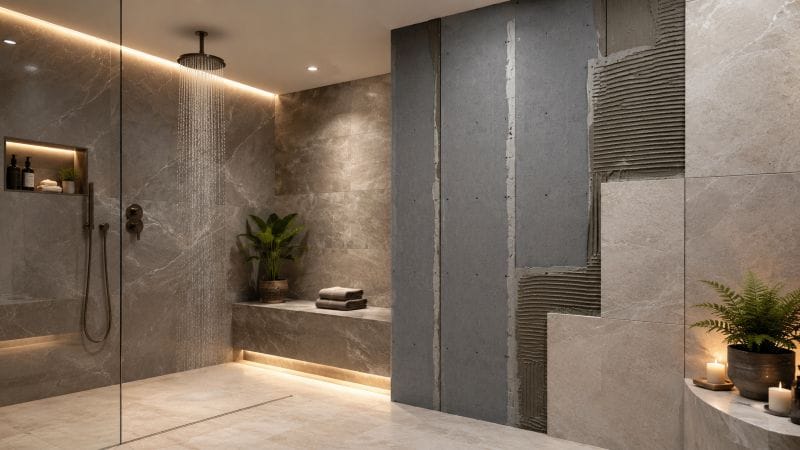
Steam Shower Planning Snapshot
| Question | Practical answer |
|---|---|
| Where is water exposure highest? | Start with shower, tub, splash, steam, or cleaning zones. |
| What must be visible before tile? | Board layout, seams, corners, openings, and transitions. |
| Which product pages help? | Bathroom Moisture Protection System, Waterproof Backer Board |
| What should be documented? | A short pre-tile photo record and written approval note. |
Steam Shower Questions Before Ordering
- Does the proposed waterproof backer board location match the real wet-wall boundary?
- Are penetrations, corners, benches, shelves, or transitions already shown on the wall plan?
- Is the surface ready for the selected tile size and finish sequence?
- Can the owner or supervisor verify the hidden work before it disappears?
Treat Steam as a Whole-Room Condition
Steam changes the discussion because moisture is not limited to direct splash. Ceilings, upper walls, benches, and corners should be reviewed before waterproof backer board is cut or fastened.
Coordinate Ceilings and Upper Walls
A steam shower often asks more from upper surfaces than a standard shower. The board layout should avoid weak transitions where vapor collects, and waterproof backer board should be specified with the full enclosure in mind.
Slow Down at Benches and Corners
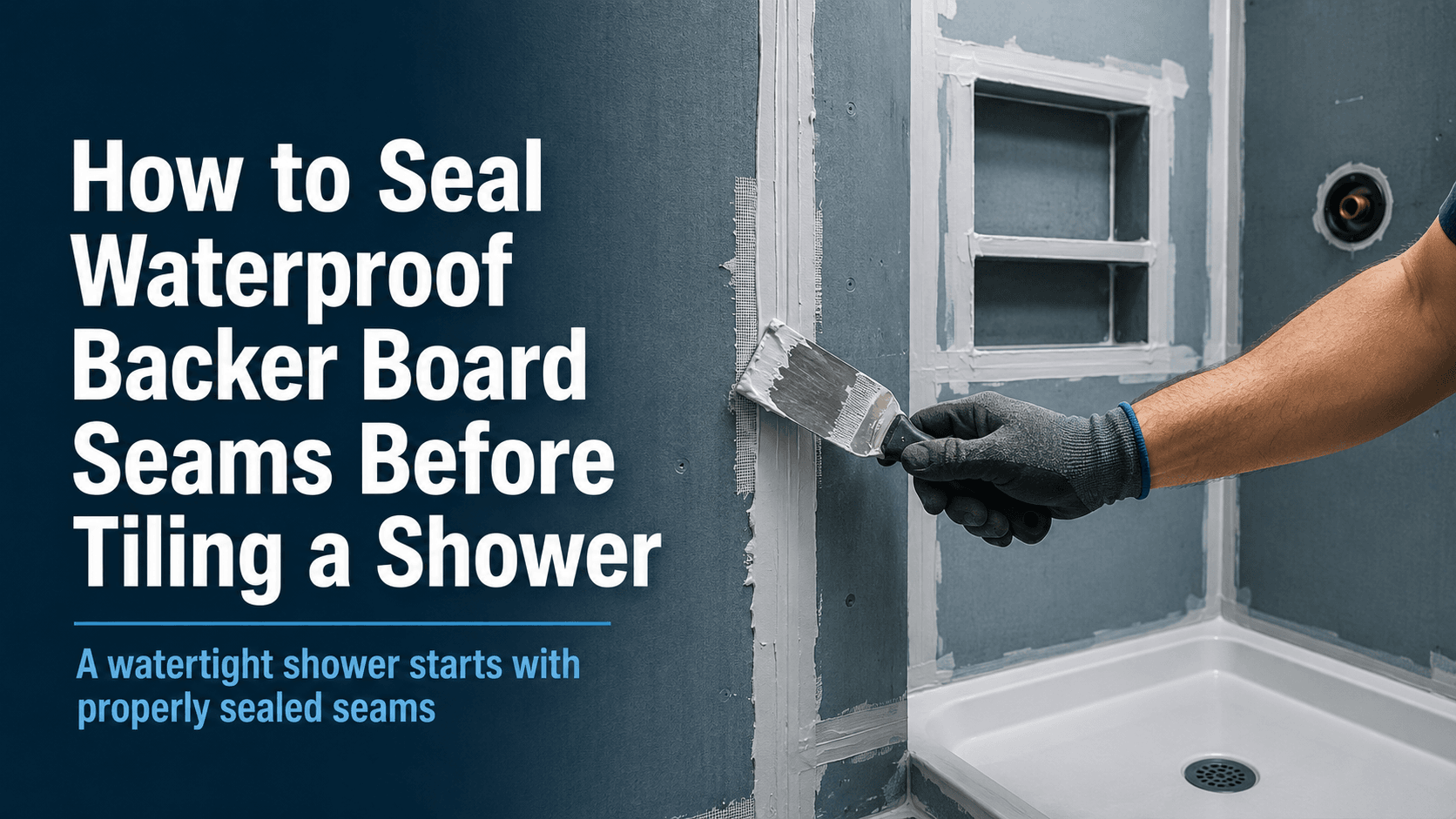
Benches, returns, and inside corners concentrate moisture and movement. These details are where waterproof backer board needs careful support, clean cuts, and a clear plan for accessory treatment.
Verify Fixture Penetrations
Every control, outlet, pipe, and accessory opening should be reviewed before tile begins. In a steam environment, waterproof backer board around penetrations deserves extra attention because small gaps can become recurring weak points.
Document the Steam-Specific Decisions
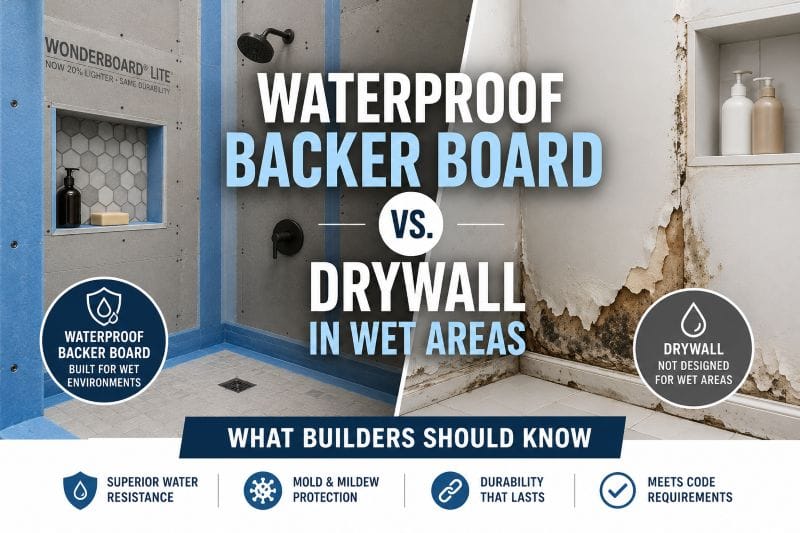
The project record should show why the wall assembly was chosen and how it was inspected. That record helps future service work and keeps the hidden waterproof backer board details from becoming guesswork.
Related Pages for Steam Shower Projects
For the product decision, review Bathroom Moisture Protection System, Waterproof Backer Board, Waterproof Corner Seal Corner. These pages help connect the article advice to actual board, accessory, and application options on the site.
Steam Shower Wall FAQs
Why does a steam shower need earlier wall planning?
Steam changes the risk profile because vapor reaches upper walls, ceilings, corners, and enclosed areas. A waterproof backer board should be reviewed with those surfaces in mind before tile begins.
Should the ceiling be included in the board discussion?
Yes, if the steam shower design includes tiled or moisture-exposed ceiling areas. The ceiling transition should be coordinated with wall seams and fixture penetrations.
What details matter most around benches?
Bench faces, seat edges, inside corners, and adjacent wall joints should be checked before tile. These areas collect water and are difficult to correct after finish work.
How should fixture penetrations be handled?
Valves, steam heads, controls, and shower fittings should be located before cutting board. Clean openings and visible treatment reduce uncertainty for the tile crew.
When should buyers contact the supplier?
Contact the supplier when the steam shower layout, tile areas, ceiling scope, and fixture list are available. That makes the waterproof backer board discussion much more specific.
Steam Shower Takeaway
Steam showers reward early coordination. The wall plan should identify vapor-prone surfaces, ceiling transitions, bench details, controls, and service openings before the substrate is approved.
For buyers, the useful question is not whether every surface needs the same build-up. It is whether each steam-exposed surface has a clear substrate, seam, and inspection plan before tile starts.