
When Drywall Is Not Enough: Wet-Area Wall Assemblies Built With Waterproof Backer Board
When Drywall Is Not Enough: Wet-Area Wall Assemblies Built With Waterproof Backer Board is a practical topic for property owners upgrading wet-area walls because the wall behind tile determines how confidently the finished space can handle water, cleaning, and daily use. The focus is not on selling a single detail as a miracle fix. It is on using waterproof backer board in the right places, with the right checks, so the visible finish has a better foundation.
The search intent behind this guide is simple: decide when wet-area walls need a purpose-built board instead of standard interior panels. Readers usually do not need another broad definition. They need to know what to check, what to ask, and how a waterproof backer board choice changes real decisions on site.
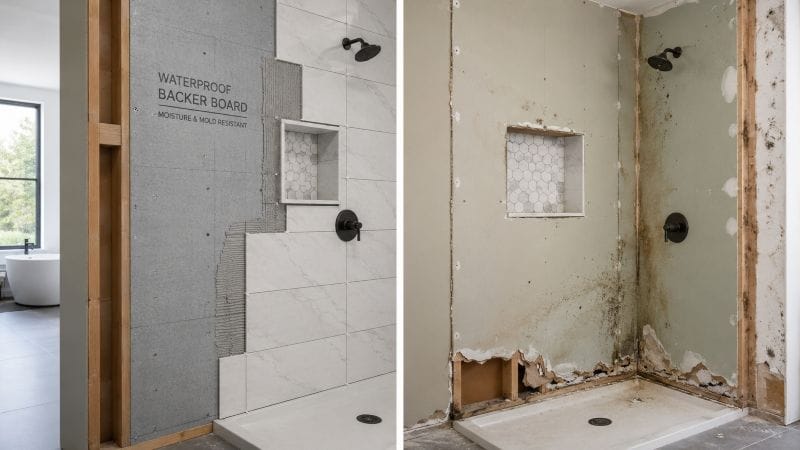
Questions to Set the Direction
Before selecting a waterproof backer board, the project team should slow down and define the room condition. The following questions help move the conversation from general product interest to a clear wet-area scope.
- How often will the wall be wet?
- Is tile part of the finish?
- Could leaks be hidden behind fixtures?
- How costly would rework be after occupancy?
| Area | Common wall decision |
|---|---|
| Dry partition | Standard interior panels may be suitable |
| Shower wall | Use a wet-area substrate |
| Laundry splash zone | Consider targeted wet-wall backing |
| Tub surround | Plan for regular water exposure |
Define the Wet Area Honestly
Standard drywall belongs in many interior walls, but wet areas ask different questions. Tile, grout, and paint do not remove the need for a wall substrate that suits regular moisture. A waterproof backer board is chosen because the wall behind the finish matters. Define the Wet Area Honestly is where that planning becomes visible. That is why the conversation should stay close to the room, the water path, and the tile finish rather than drifting into vague product language.
The risk increases where water can sit, splash repeatedly, or move behind fixtures unnoticed. Showers, tub surrounds, laundry splash areas, and busy utility spaces are not the same as a bedroom partition. The wall assembly should reflect that difference. Define the Wet Area Honestly is where that planning becomes visible. When the site team understands this point, the waterproof backer board becomes a planning tool as much as a material choice.
Owners often understand the decision when it is explained in plain terms. The tile is the visible finish, while waterproof backer board is part of the preparation that helps the finish stay aligned with the environment it serves. Define the Wet Area Honestly is where that planning becomes visible. For property owners upgrading wet-area walls, this matters because the decision is made once but affects every later trade that touches the room.
Tile Does Not Make the Wall Behind It Waterproof
The risk increases where water can sit, splash repeatedly, or move behind fixtures unnoticed. Showers, tub surrounds, laundry splash areas, and busy utility spaces are not the same as a bedroom partition. The wall assembly should reflect that difference. Tile Does Not Make the Wall Behind It Waterproof is where that planning becomes visible. When the site team understands this point, the waterproof backer board becomes a planning tool as much as a material choice.
Owners often understand the decision when it is explained in plain terms. The tile is the visible finish, while waterproof backer board is part of the preparation that helps the finish stay aligned with the environment it serves. Tile Does Not Make the Wall Behind It Waterproof is where that planning becomes visible. For property owners upgrading wet-area walls, this matters because the decision is made once but affects every later trade that touches the room.
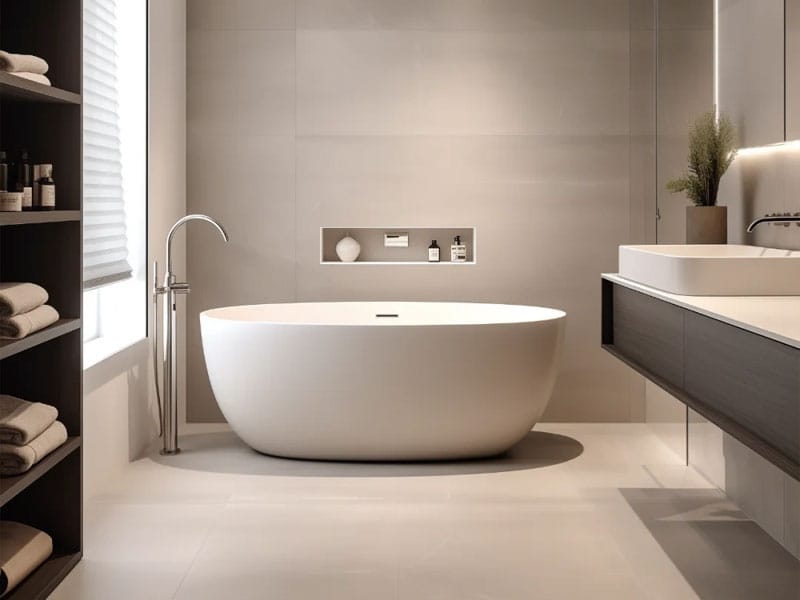
Standard drywall belongs in many interior walls, but wet areas ask different questions. Tile, grout, and paint do not remove the need for a wall substrate that suits regular moisture. A waterproof backer board is chosen because the wall behind the finish matters. Tile Does Not Make the Wall Behind It Waterproof is where that planning becomes visible. In this section, the practical goal is to make the wall easier to inspect before the finish hides the work.
Risk Is Higher Where Water Has Time to Sit
Owners often understand the decision when it is explained in plain terms. The tile is the visible finish, while waterproof backer board is part of the preparation that helps the finish stay aligned with the environment it serves. Risk Is Higher Where Water Has Time to Sit is where that planning becomes visible. When the site team understands this point, the waterproof backer board becomes a planning tool as much as a material choice.
Standard drywall belongs in many interior walls, but wet areas ask different questions. Tile, grout, and paint do not remove the need for a wall substrate that suits regular moisture. A waterproof backer board is chosen because the wall behind the finish matters. Risk Is Higher Where Water Has Time to Sit is where that planning becomes visible. For property owners upgrading wet-area walls, this matters because the decision is made once but affects every later trade that touches the room.
The risk increases where water can sit, splash repeatedly, or move behind fixtures unnoticed. Showers, tub surrounds, laundry splash areas, and busy utility spaces are not the same as a bedroom partition. The wall assembly should reflect that difference. Risk Is Higher Where Water Has Time to Sit is where that planning becomes visible. In this section, the practical goal is to make the wall easier to inspect before the finish hides the work.
When Upgrading the Wall Assembly Makes Sense
Standard drywall belongs in many interior walls, but wet areas ask different questions. Tile, grout, and paint do not remove the need for a wall substrate that suits regular moisture. A waterproof backer board is chosen because the wall behind the finish matters. When Upgrading the Wall Assembly Makes Sense is where that planning becomes visible. The detail does not need to be complicated, but it should be deliberate enough that the crew can repeat it without improvising.
The risk increases where water can sit, splash repeatedly, or move behind fixtures unnoticed. Showers, tub surrounds, laundry splash areas, and busy utility spaces are not the same as a bedroom partition. The wall assembly should reflect that difference. When Upgrading the Wall Assembly Makes Sense is where that planning becomes visible. That is why the conversation should stay close to the room, the water path, and the tile finish rather than drifting into vague product language.
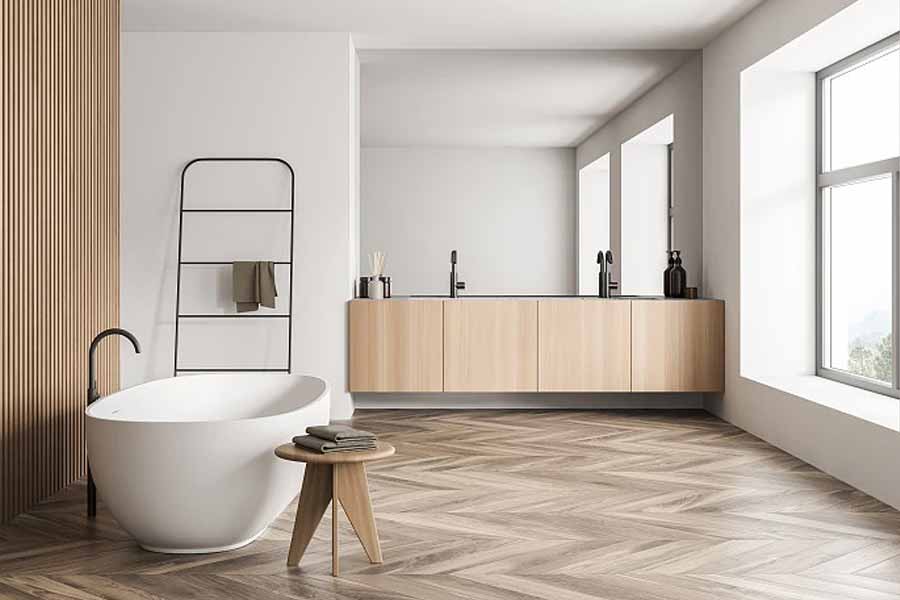
Owners often understand the decision when it is explained in plain terms. The tile is the visible finish, while waterproof backer board is part of the preparation that helps the finish stay aligned with the environment it serves. When Upgrading the Wall Assembly Makes Sense is where that planning becomes visible. When the site team understands this point, the waterproof backer board becomes a planning tool as much as a material choice.
How to Explain the Choice to Owners
The risk increases where water can sit, splash repeatedly, or move behind fixtures unnoticed. Showers, tub surrounds, laundry splash areas, and busy utility spaces are not the same as a bedroom partition. The wall assembly should reflect that difference. How to Explain the Choice to Owners is where that planning becomes visible. When the site team understands this point, the waterproof backer board becomes a planning tool as much as a material choice.
Owners often understand the decision when it is explained in plain terms. The tile is the visible finish, while waterproof backer board is part of the preparation that helps the finish stay aligned with the environment it serves. How to Explain the Choice to Owners is where that planning becomes visible. For property owners upgrading wet-area walls, this matters because the decision is made once but affects every later trade that touches the room.
Standard drywall belongs in many interior walls, but wet areas ask different questions. Tile, grout, and paint do not remove the need for a wall substrate that suits regular moisture. A waterproof backer board is chosen because the wall behind the finish matters. How to Explain the Choice to Owners is where that planning becomes visible. In this section, the practical goal is to make the wall easier to inspect before the finish hides the work.
How to Turn the Advice Into a Purchase Brief
A useful purchase brief should name the room type, finish, exposure level, board thickness expectation, accessory needs, and inspection point. If those details are missing, the waterproof backer board may still be a good product, but the site team will have to fill too many gaps during installation.
The buyer does not need to write a long technical manual. A short note that describes where the waterproof backer board will be used, how it meets adjacent surfaces, and which areas require special attention can prevent many avoidable questions.
Common Mistakes to Avoid
- Choosing waterproof backer board after the tile layout is already fixed.
- Treating all wet and dry walls as if they have the same exposure.
- Ignoring penetrations, niches, benches, or fixture backing until the installation day.
- Skipping photos and inspection before tile hides the wall preparation.
The most expensive mistake is usually not the board itself. It is the chain reaction created when the waterproof backer board is chosen without enough information about the wall, the tile, and the way water will move through the room.
Helpful External References
For broader background on ceramic tile terminology, readers can review the overview of ceramic tile at https://en.wikipedia.org/wiki/Ceramic_tile. For general information about building moisture concepts, the Whole Building Design Guide is a useful educational source at https://www.wbdg.org/resources/moisture-management. These references support general understanding and should be read alongside the product instructions and local code requirements for the specific project.
Conclusion
The product conversation should include the people who touch the wall next. Tile installers, plumbers, glass installers, and supervisors all see different risks. When they agree on the waterproof backer board layout before the work begins, the finished room is easier to coordinate.
For commercial teams, repeatability matters. If the specification is easy to understand and the detail can be inspected, waterproof backer board can support a more predictable process across several rooms, floors, or phases.