
Waterproof Backer Board for Tile Showers With Linear Drains and Glass Enclosures
Waterproof Backer Board for Tile Showers With Linear Drains and Glass Enclosures is written for designers and installers planning modern tile showers who need a practical way to plan wet-area walls before tile or other finishes cover the substrate. The search intent is specific: understand how linear drain and glass shower coordination should shape board selection, layout, and inspection.
Table of Contents
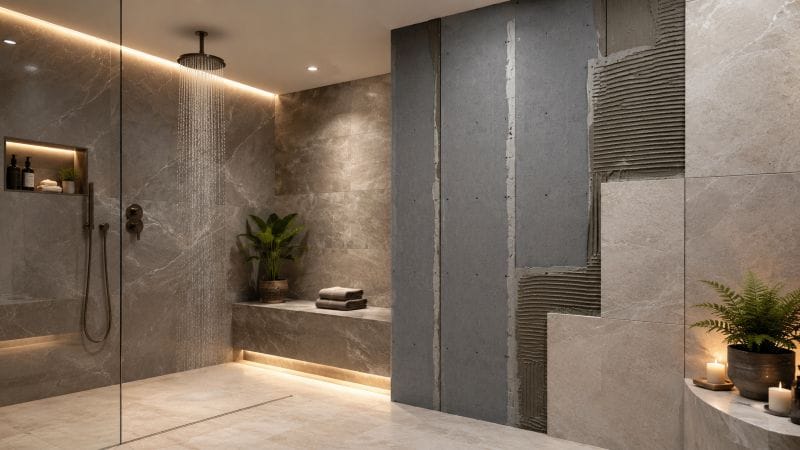
A waterproof backer board is strongest when it is connected to the room condition. Instead of treating the board as a last-minute material choice, the project team should use it to clarify water exposure, finish support, openings, and handoffs before installation begins.
Questions to Answer Before Ordering
Before selecting a waterproof backer board, the team should answer these questions in direct project language. The answers create a better purchase brief and a cleaner installation handoff.
- Which walls receive direct water, splash, humidity, or frequent cleaning?
- Which fixtures, penetrations, edges, or transitions interrupt the wall?
- What finish will cover the board, and how flat must the wall be?
- What proof should be captured before tile or panels hide the substrate?
| Planning item | Why it matters |
|---|---|
| Exposure | Shows where wet-area preparation is actually needed |
| Finish | Defines flatness, support, and transition requirements |
| Openings | Identifies cuts that need careful layout and inspection |
| Handoff | Keeps multiple trades aligned before the wall is covered |
Modern Showers Put More Pressure on Preparation
Modern Showers Put More Pressure on Preparation should be settled before finish work begins. For designers and installers planning modern tile showers, the main point is to connect the waterproof backer board to linear drain and glass shower coordination, not to treat it as a generic board choice. The decision should reflect water exposure, wall layout, and the trades that will work on the surface next.
This is where many wet-area projects become either predictable or difficult. If modern showers put more pressure on preparation is postponed, installers may need to solve layout, transition, or opening problems under schedule pressure. A waterproof backer board is more useful when the team has already defined what the wall must do.
Coordinate Glass Lines With Board Layout
Modern shower details often require related components; the Waterproof Pipe Collar and Waterproof Corner Seal Corner pages are useful references when openings and corners are part of the wall plan.
This is where many wet-area projects become either predictable or difficult. If coordinate glass lines with board layout is postponed, installers may need to solve layout, transition, or opening problems under schedule pressure. A waterproof backer board is more useful when the team has already defined what the wall must do.
Treat Drain Walls as Part of the Wet Area
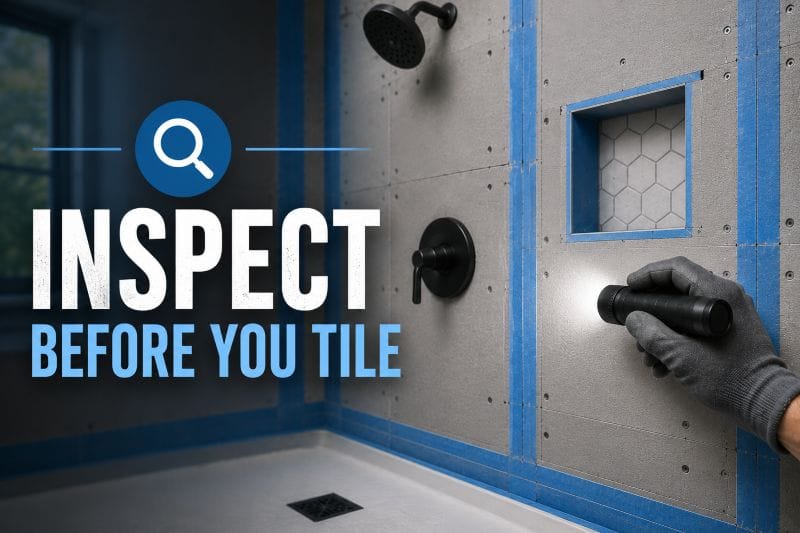
The practical test is whether another person can inspect the wall and understand the decision. A supervisor should be able to see where the waterproof backer board starts, where it stops, how it meets other materials, and whether the surface is ready for the planned finish.
Good workmanship remains essential. Clean cuts, supported edges, stable fastening, and careful treatment around openings all affect whether treat drain walls as part of the wet area succeeds. The waterproof backer board supports the process, but it does not replace installation discipline.
Keep Tile Plan and Substrate Plan Together
For the primary substrate decision, the Waterproof Backer Board page gives buyers a direct product reference while the tile and glass layout is still being coordinated.
Buyers should ask for project-specific answers here. A room note, a drawing mark, or a pre-tile photo is often more useful than a broad product description. The waterproof backer board needs to be tied to the actual wall condition.
Good workmanship remains essential. Clean cuts, supported edges, stable fastening, and careful treatment around openings all affect whether keep tile plan and substrate plan together succeeds. The waterproof backer board supports the process, but it does not replace installation discipline.
Keep Tile Plan and Substrate Plan Together should be settled before finish work begins. For designers and installers planning modern tile showers, the main point is to connect the waterproof backer board to linear drain and glass shower coordination, not to treat it as a generic board choice. The decision should reflect water exposure, wall layout, and the trades that will work on the surface next.
Check the Wall Before Glass Measurements
Good workmanship remains essential. Clean cuts, supported edges, stable fastening, and careful treatment around openings all affect whether check the wall before glass measurements succeeds. The waterproof backer board supports the process, but it does not replace installation discipline.
Check the Wall Before Glass Measurements should be settled before finish work begins. For designers and installers planning modern tile showers, the main point is to connect the waterproof backer board to linear drain and glass shower coordination, not to treat it as a generic board choice. The decision should reflect water exposure, wall layout, and the trades that will work on the surface next.
This is where many wet-area projects become either predictable or difficult. If check the wall before glass measurements is postponed, installers may need to solve layout, transition, or opening problems under schedule pressure. A waterproof backer board is more useful when the team has already defined what the wall must do.
Common Mistakes to Avoid
- Choosing waterproof backer board after tile layout, fixtures, or glass lines are already fixed.
- Using the same wall preparation for wet and dry zones without defining exposure.
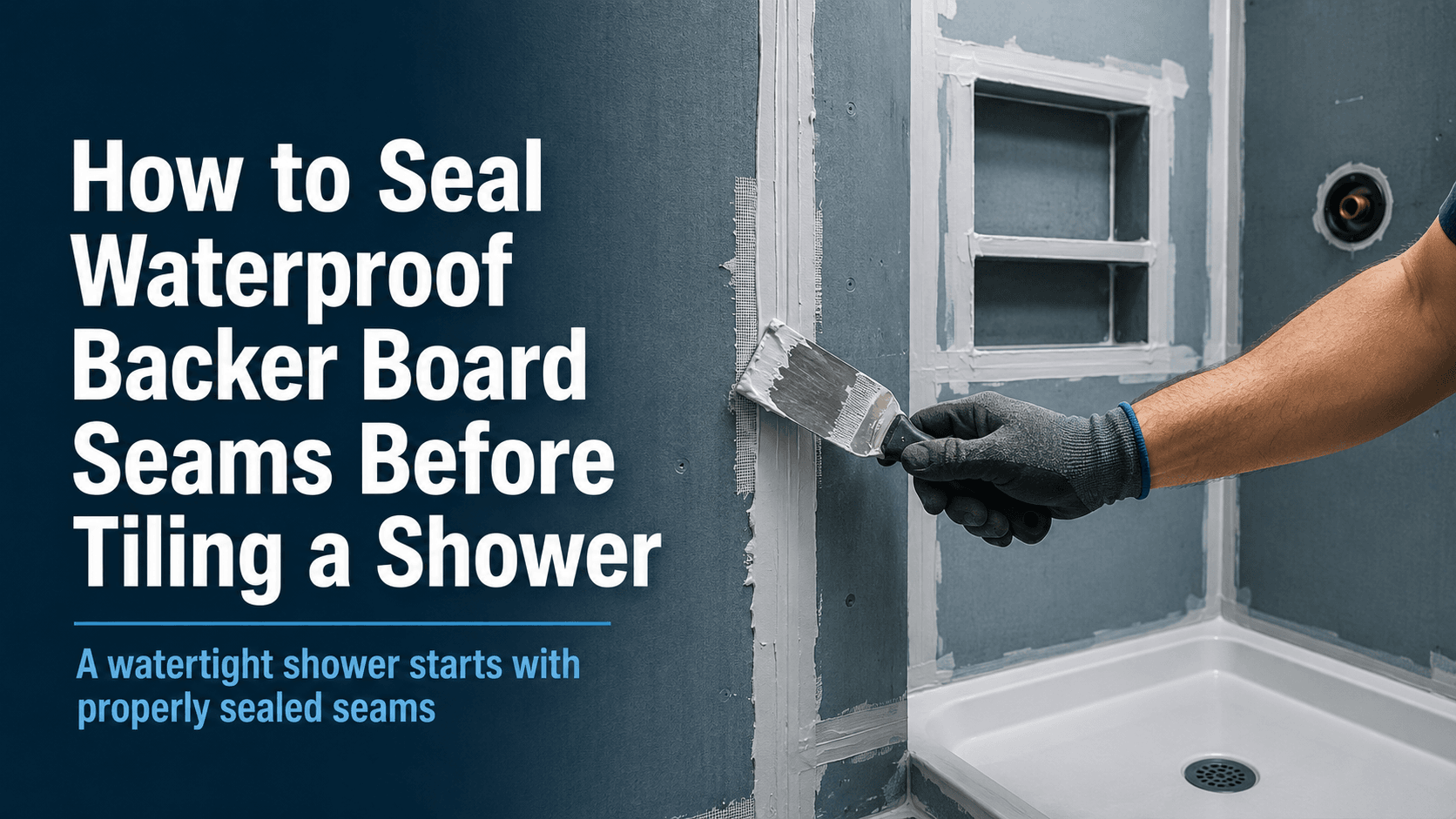
- Ignoring seams, corners, penetrations, and transitions until installation day.
- Skipping pre-tile photos and leaving hidden wall work undocumented.
The highest risk is usually not one dramatic failure. It is a chain of vague decisions that makes the waterproof backer board harder to install, harder to inspect, and harder to explain after the wall is covered.
Useful Background References
For general background on ceramic tile, readers can review an overview of common tile terminology and use cases. For broader building-science context, the Whole Building Design Guide explains moisture management in buildings, and the EPA provides practical information on mold and moisture control. These references provide general context; project teams should still follow product instructions, local requirements, and professional judgment.
Conclusion
The project team should treat the wall as a sequence of decisions. Framing condition, board storage, cutting, fastening, and finish coordination all affect the result. A waterproof backer board helps most when those decisions are made while the wall can still be inspected.
For contractors, documentation is not extra paperwork when it prevents disputes. A few photos before tile can show how the waterproof backer board was installed, where seams and openings were placed, and what condition the wall was in before the finish covered it.
FAQs About Waterproof Backer Board for Tile Showers With Linear Dr
What should buyers check first for waterproof backer board for tile showers with linear drains and glass enclosures?
Buyers should check wall exposure, support, openings, finish requirements, and inspection timing before approving waterproof backer board for this project type.
How does this planning help installers?
It gives installers clearer information about cuts, seams, accessories, and handoff conditions before finish work hides the wall.
When should the supplier be contacted?
Contact the supplier after room dimensions, drawings, fixture locations, and expected finish areas are available.