
Waterproof Backer Board for Spa, Wellness, and Residential Shower Upgrades
Spa-style showers and wellness bathrooms create a different kind of wet-wall challenge than a basic tub surround. Longer showers, warmer rooms, larger tile formats, benches, niches, and glass returns all place more attention on the substrate. A waterproof backer board should be reviewed as part of the full wall assembly, not as a last-minute board choice.
Table of Contents
Why Spa and Wellness Showers Need Better Wall Planning
A wellness shower is often designed for comfort: broader spray coverage, built-in seating, decorative tile, and a cleaner visual finish. Those features are attractive to homeowners and project buyers, but they also increase the number of corners, penetrations, horizontal surfaces, and transitions behind the finish. If the wall backing is weak, the tile work can look finished while the substrate still carries avoidable risk.
The practical value of waterproof backer board in this setting is predictability. It gives the project team a stable, tile-ready surface to discuss before the finish begins. Buyers should still confirm framing, fasteners, seams, edges, and the chosen waterproofing approach, because no board can compensate for poor wall preparation.
Where a Waterproof Backer Board Matters Most
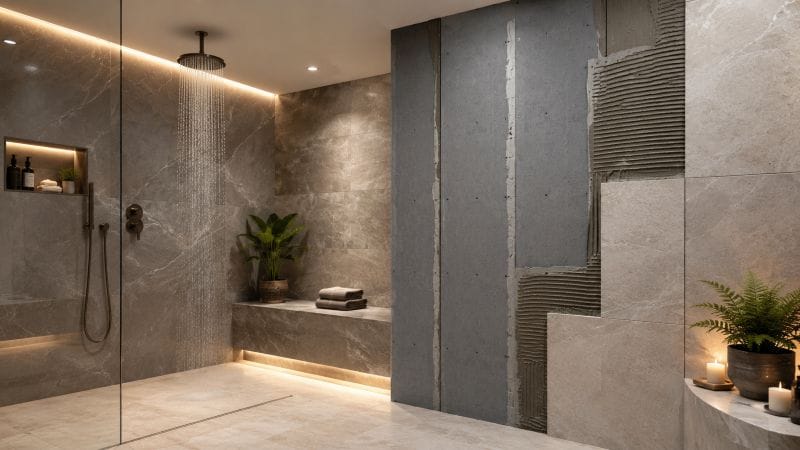
The highest-value locations are the places where water, movement, or hardware meet the wall. In spa rooms and upgraded residential showers, that usually means valve walls, niche returns, bench faces, inside corners, glass-door zones, and the lower wall near the tray or drain. A waterproof backer board should be easy to cut cleanly, inspect before tile, and coordinate with the rest of the wet-area system.
| Bench or seat wall | Check horizontal surfaces, slope, edge support, and how tile will meet the vertical wall. |
| Niche or shelf | Confirm inside corners, back panel support, and the planned treatment around small returns. |
| Glass enclosure area | Plan hardware zones before tile so drilling and load paths are not guessed later. |
| Large format tile wall | Review wall flatness, board support, and adhesive compatibility before installation. |
This type of review also helps suppliers and buyers talk in project language. Instead of asking only whether a material is suitable for bathrooms, the buyer can ask how the waterproof backer board will be handled around a seat, a niche, a linear drain, or a glass return.
A waterproof backer board discussion becomes more useful when it is tied to drawings and site photos. For spa-style upgrades, the buyer should confirm exactly where the waterproof backer board begins, where it stops, and how it meets adjacent dry-wall or trim areas.
Moisture, Ventilation, and Drying Conditions
A spa-like shower often stays warm and humid longer than a quick-use bathroom. Wall planning should therefore consider ventilation, drying time, cleaning routines, and the way moisture can collect around transitions. For neutral background, the EPA moisture control guidance for buildings is useful for understanding why moisture management is a design issue, not only a product issue.
Building enclosure resources also emphasize the importance of controlling moisture paths. The WBDG moisture guidance for building enclosures gives broader context for why wet areas need coordinated materials, details, and inspection. In a shower upgrade, waterproof backer board is one part of that coordinated decision.
Buyer Checklist Before Approving Samples
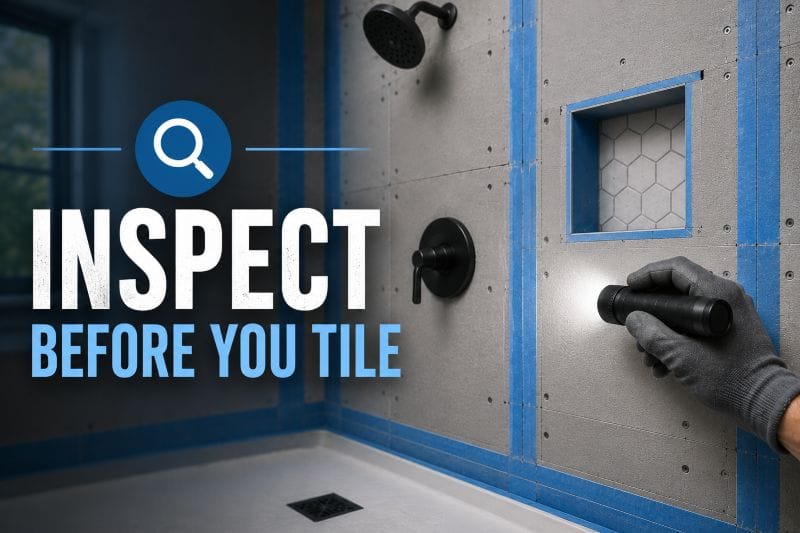
Before approving a sample or placing an order, buyers should request enough information to connect the board to the actual room. Ask for the wall dimensions, fixture layout, tile format, planned accessories, and any details around benches, niches, shelves, or glass. A waterproof backer board sample is more useful when the buyer can compare it against a real installation condition.
The waterproof backer board sample should also be reviewed for edge condition, handling feel, and how clearly installers can mark cuts. Those practical checks tell the buyer more than a generic product description because the wall details in a spa bathroom are rarely generic.
The sample review should include handling questions as well. How cleanly does the board cut? Are edges stable enough for the planned finish? Can installers photograph seams and openings before tile begins? These questions make the conversation more professional and reduce the chance that the wall is approved only because the surface looks simple.
A waterproof backer board approval should also name the wet-wall details that matter most: the valve wall, seat wall, niche returns, and the lower wall near the tray.
Installation Handoff for Contractors
Contractors need a clear handoff before the wall is covered. The handoff should identify who checks framing, who confirms fastener placement, who reviews openings, and who signs off before tile starts. When waterproof backer board is used in a spa or wellness shower, documentation matters because many of the most important details will disappear behind tile.
If the project has more than one shower wall, use the first waterproof backer board installation as the control reference. Once the control wall is approved, the same inspection logic can be repeated for the remaining niches, benches, corners, and valve walls.
Photos are especially helpful. A few images of the valve wall, niche corners, bench edges, and lower wall can show what was installed before finish work. For project buyers, this record supports quality control and helps future maintenance teams understand the wall assembly if a repair or renovation is needed later.
That record makes waterproof backer board work easier to compare across rooms, especially when a contractor is upgrading several showers in the same property.
A final waterproof backer board check should happen before tile starts.
How ST Waterproof Backing Boards Fit the Discussion
ST Waterproof Backing Boards should be considered when the project needs a wet-area substrate that can be discussed clearly with installers, buyers, and designers. The best fit is not based on a vague promise; it comes from matching the board to the room layout, the finish plan, and the inspection process.
For distributors and project buyers, waterproof backer board selection should stay connected to logistics as well as performance. Packaging, delivery condition, board storage, and installation timing all affect whether the material arrives ready for clean wet-wall work.
For related product context, review the bathroom moisture protection system page and the waterproof backing board products page. Those pages can help buyers move from a general spa-style shower idea to a more specific wet-wall material discussion.
Common Specification Mistakes
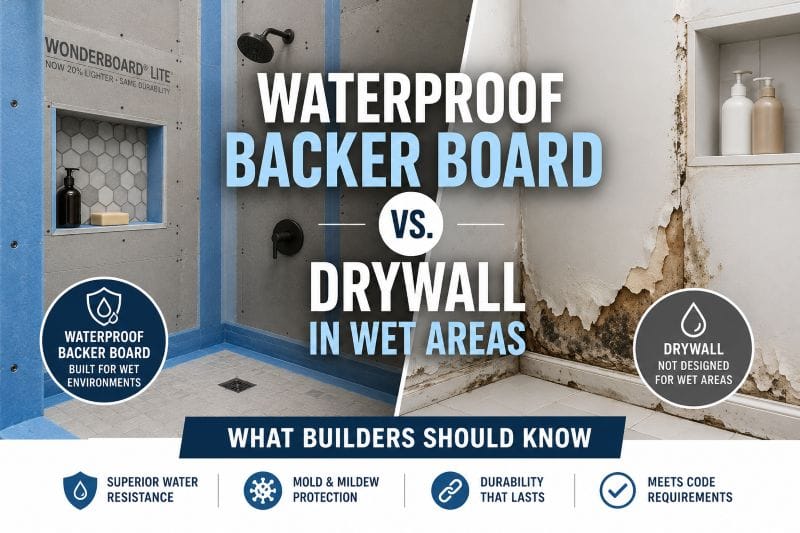
One mistake is treating a spa shower as a standard bathroom wall with upgraded tile. The substrate may need more careful review because the design often includes more transitions and longer moisture exposure. Another mistake is approving waterproof backer board without checking how it will be detailed around benches, niches, and glass.
A third mistake is leaving documentation until the end. Once tile is installed, the project team can no longer see the wall plane, cuts, fasteners, or openings. Professional wet-area work benefits from inspection while the substrate is still exposed.
Another mistake is approving waterproof backer board without explaining the room standard to every trade. The plumber, tile setter, glass installer, and site supervisor should understand the same wet-wall detail before finish work begins.
FAQ
Is waterproof backer board useful for spa-style residential showers?
Yes, it can be useful when the shower includes high-moisture use, tile finishes, benches, niches, glass, or other details that need a stable wet-area substrate. The wall should still be reviewed as a full assembly.
What should buyers check before approving the board?
Buyers should check the room layout, tile format, framing condition, openings, edge details, accessories, and inspection timing. These details show whether the waterproof backer board is being selected for the actual project condition.
Does ventilation still matter if the wall uses a wet-area board?
Yes. Ventilation, drying time, cleaning routine, and moisture control still matter because the board is only one part of the bathroom system. A spa-style shower should be planned with both substrate and room conditions in mind.