
Waterproof Backer Board for Bathroom Walls Behind Tile: A Project Planning Guide
Waterproof Backer Board for Bathroom Walls Behind Tile: A Project Planning Guide focuses on one practical search intent: help readers understand how the wall behind tile should be planned before installation begins. The article is written for bathroom remodelers, homeowners, and tile contractors who need clear wet-area planning before the wall is covered.
Table of Contents
A waterproof backer board should not be treated as an isolated product choice. It works best when it is connected to behind-tile wall planning, room layout, finish selection, and inspection timing. That is the difference between a generic material note and a useful project decision.
For related product planning on this site, review the bathroom moisture protection system page. Use these links as project context while following the selected product instructions and job documents.
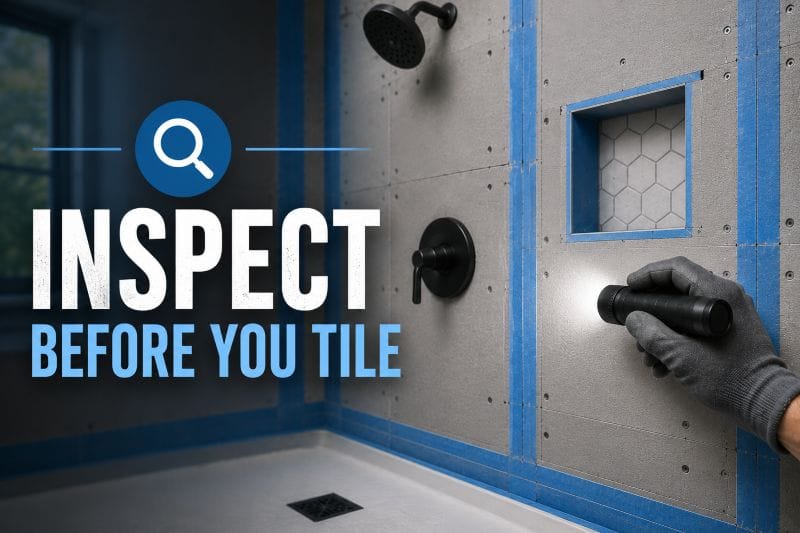
Questions to Answer First
Before ordering or installing a waterproof backer board, the project team should answer these questions in plain language. Clear answers reduce confusion for buyers, supervisors, and installers.
For external context, review ANSI standards related to tile installation and ceramic tile installation FAQ. These references support the project checks in this article without replacing the selected product instructions.
- Which walls or sections receive direct water, splash, humidity, or frequent cleaning?
- Where do fixtures, niches, benches, valves, or transitions interrupt the wall?
- What does the tile installer need to see before finish work begins?
- How will the hidden board work be documented before it is covered?
| Planning item | Why it matters |
|---|---|
| Water exposure | Defines where wet-area board is needed |
| Finish type | Shows the flatness and stability expected from the wall |
| Penetrations | Identifies openings that need careful cuts and inspection |
| Documentation | Preserves hidden work before tile covers it |
Define the Tile Area Before Choosing Materials
Define the Tile Area Before Choosing Materials should be decided before the finish work begins. For bathroom remodelers, homeowners, and tile contractors, the main issue is whether the waterproof backer board supports the exact wall condition, not whether the product sounds useful in general. The detail has to match water exposure, fixture placement, and the way tile or another finish will meet the wall.
This part of the work is where vague planning usually becomes visible. If define the tile area before choosing materials is left until the installation day, the crew may have to adjust cuts, transitions, or openings without enough time. A waterproof backer board is more effective when those decisions are made while the wall is still open.
The practical check is simple: can another trade look at the wall and understand what has been prepared? When define the tile area before choosing materials is documented clearly, the waterproof backer board installation becomes easier to inspect before it is hidden behind tile.
Match Board Layout to Water Exposure
This part of the work is where vague planning usually becomes visible. If match board layout to water exposure is left until the installation day, the crew may have to adjust cuts, transitions, or openings without enough time. A waterproof backer board is more effective when those decisions are made while the wall is still open.
The practical check is simple: can another trade look at the wall and understand what has been prepared? When match board layout to water exposure is documented clearly, the waterproof backer board installation becomes easier to inspect before it is hidden behind tile.
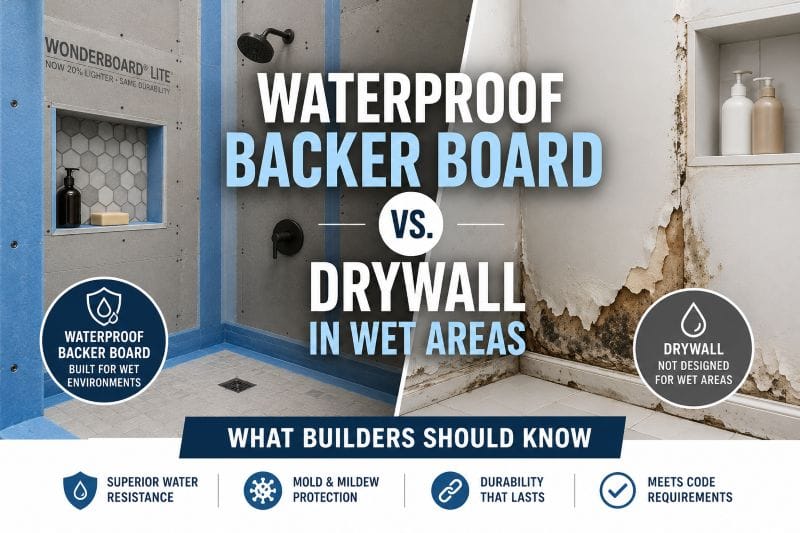
Coordinate Seams With Tile and Fixtures
The practical check is simple: can another trade look at the wall and understand what has been prepared? When coordinate seams with tile and fixtures is documented clearly, the waterproof backer board installation becomes easier to inspect before it is hidden behind tile.
Good workmanship still matters. Straight cuts, stable edges, supported penetrations, and a surface suited to the chosen finish are all part of coordinate seams with tile and fixtures. The waterproof backer board should make those checks easier, not replace them.
Check the Wall Before It Is Covered
Buyers should ask how this detail will be handled on site. A drawing, photo checkpoint, or short room note can show whether the waterproof backer board layout is aligned with the real wet-area risk. This avoids relying on broad language that does not help the installer.
Good workmanship still matters. Straight cuts, stable edges, supported penetrations, and a surface suited to the chosen finish are all part of check the wall before it is covered. The waterproof backer board should make those checks easier, not replace them.
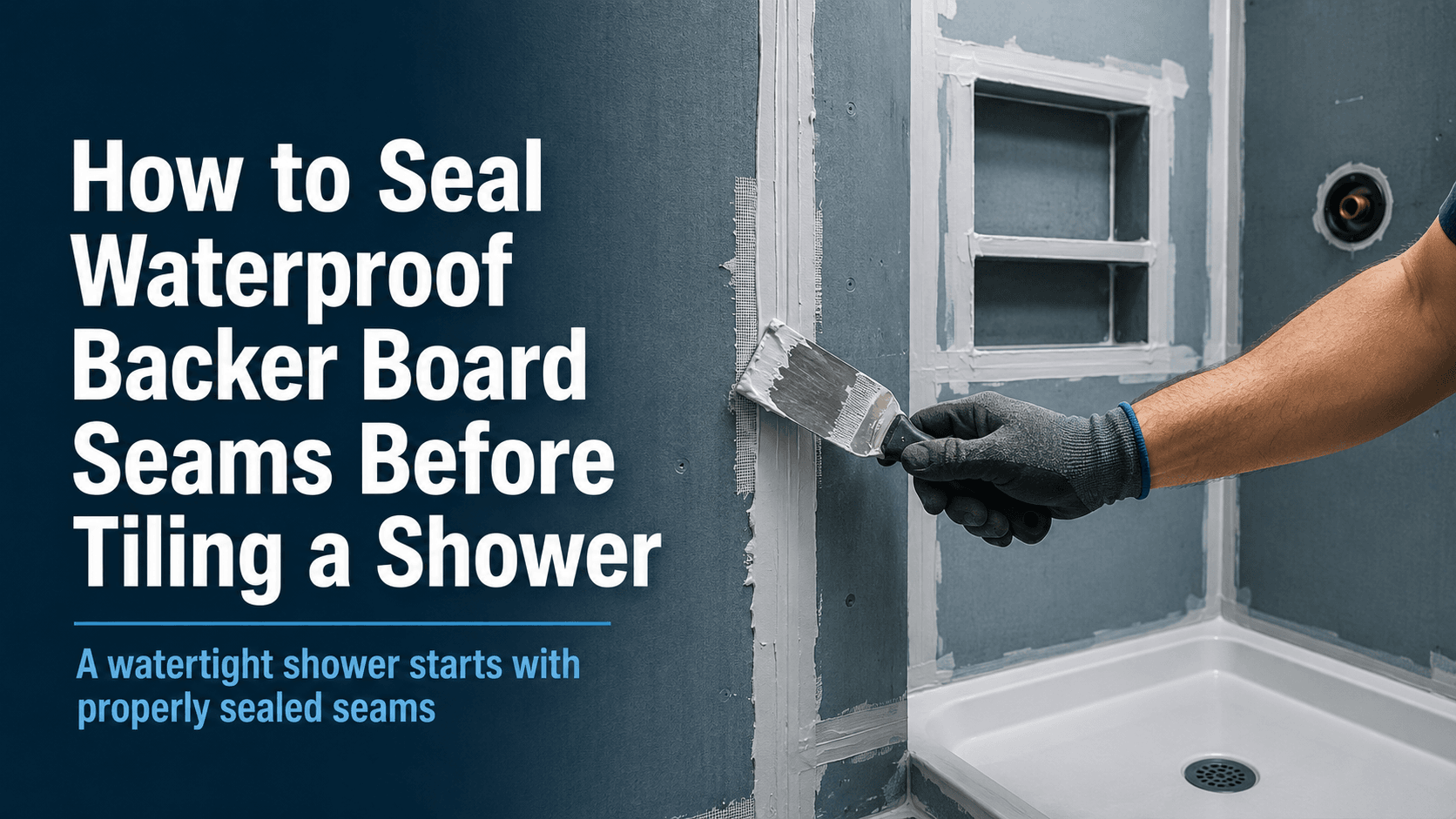
Check the Wall Before It Is Covered should be decided before the finish work begins. For bathroom remodelers, homeowners, and tile contractors, the main issue is whether the waterproof backer board supports the exact wall condition, not whether the product sounds useful in general. The detail has to match water exposure, fixture placement, and the way tile or another finish will meet the wall.
Make the Product Choice Easy to Explain
Good workmanship still matters. Straight cuts, stable edges, supported penetrations, and a surface suited to the chosen finish are all part of make the product choice easy to explain. The waterproof backer board should make those checks easier, not replace them.
Make the Product Choice Easy to Explain should be decided before the finish work begins. For bathroom remodelers, homeowners, and tile contractors, the main issue is whether the waterproof backer board supports the exact wall condition, not whether the product sounds useful in general. The detail has to match water exposure, fixture placement, and the way tile or another finish will meet the wall.
This part of the work is where vague planning usually becomes visible. If make the product choice easy to explain is left until the installation day, the crew may have to adjust cuts, transitions, or openings without enough time. A waterproof backer board is more effective when those decisions are made while the wall is still open.
Mistakes That Create Rework
- Selecting waterproof backer board after the wall layout and fixture positions are already fixed.
- Using the same wall preparation in wet and dry areas without defining exposure.
- Ignoring board seams, openings, corners, or transition lines until tile setting begins.
- Skipping pre-tile photos and leaving hidden work undocumented.
The real risk is usually not a single bad choice. It is a chain of small unclear decisions that make the waterproof backer board harder to install, harder to inspect, and harder to explain after the wall is covered.
Useful Background References
For general background on ceramic tile, see https://en.wikipedia.org/wiki/Ceramic_tile. For broader building moisture education, the Whole Building Design Guide page at https://www.wbdg.org/resources/moisture-management is a useful reference. These sources provide context, while final decisions should follow product instructions, local requirements, and project-specific professional judgment.
Conclusion
For homeowners and owners, the hidden wall is part of the finished room even though it disappears behind tile. Choosing waterproof backer board early helps the visible finish start from a more appropriate base for wet-area use.
The product decision should be easy for the site team to understand. Where does the wet wall begin? Where does it stop? Which details require special attention? When those answers are clear, the waterproof backer board is less likely to become a vague line item on a material list.
FAQs About Waterproof Backer Board for Bathroom Walls Behind Tile:
What should buyers check first for waterproof backer board for bathroom walls behind tile: a project planning guide?
Buyers should check wall exposure, support, openings, finish requirements, and inspection timing before approving waterproof backer board for this project type.
How does this planning help installers?
It gives installers clearer information about cuts, seams, accessories, and handoff conditions before finish work hides the wall.
When should the supplier be contacted?
Contact the supplier after room dimensions, drawings, fixture locations, and expected finish areas are available.