
Shower Backer Board Details for Niches, Valves, and Corners
Direct answer: A shower backer board should be planned around niches, valves, corners, seams, and accessories before tile begins because these details decide whether the wet wall is easy to inspect and consistent across the project.
Table of Contents
A niche or valve opening may be small, but it can decide how confidently a shower wall is handed over to the tile crew. The shower backer board should not be treated as a blank sheet that installers solve in the moment. It should be part of a planned sequence that includes layout, openings, accessories, and inspection.
This guide focuses on detail areas that buyers often miss when they order materials. It supports shower renovations, hotel bathrooms, locker rooms, healthcare bathrooms, and other wet rooms where tile is expected to stay aligned and serviceable.
For external context, review moisture control guidance for building design and construction and managing moisture in building enclosures. These references support the project checks in this article without replacing the selected product instructions.
Begin With the Detail Map
Before cutting a shower backer board, mark every point that interrupts the wall. Include mixing valves, shower heads, hand showers, niches, benches, shelves, glass hardware, grab bars, and transition edges. A marked wall drawing gives purchasing and installation teams the same reference.
This map should be kept with the project order. If the shower backer board is ordered for several similar rooms, the first room can become a mockup standard instead of a one-off installation.
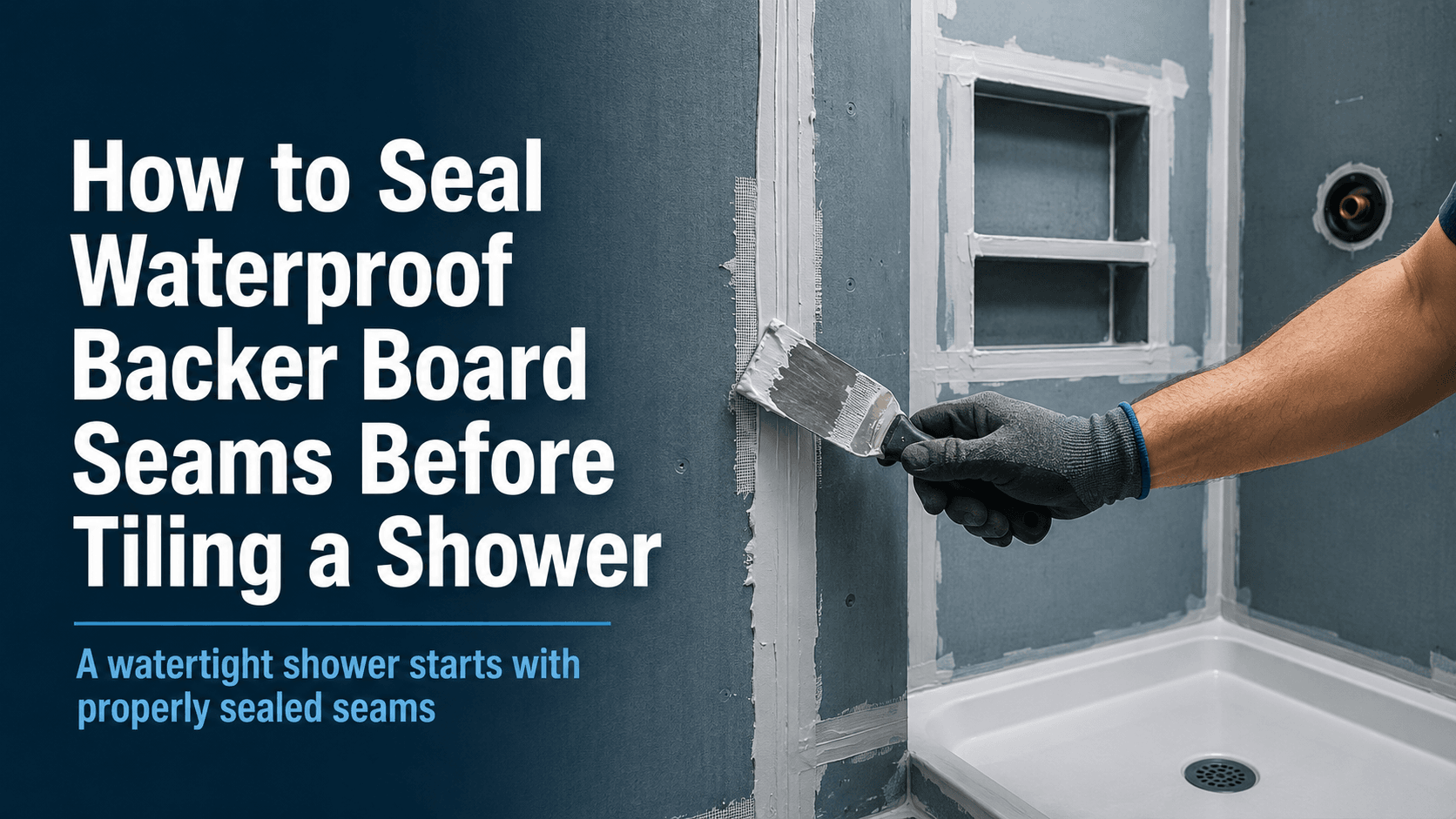
Treat Niches as Small Wet Assemblies
A niche is not just a hole in the wall. It has sides, a back, inside corners, a bottom surface, and a tile layout that must shed water correctly. The shower backer board around a niche should be cut cleanly and checked before waterproof detailing is hidden.
When buyers compare materials, they should ask how the board and auxiliary materials work around inside corners. The site article on shower niche inside corners gives a useful related planning angle.
Keep Valve Openings Clean and Reviewable
Valve openings often reveal whether the wall was planned or improvised. A shower backer board cutout should allow the plumbing trim to fit without leaving ragged board edges or unsupported areas. If the valve location changes, the board plan should be updated before tile begins.
| Detail area | What to check | Why it matters |
|---|---|---|
| Niche | Inside corners, bottom slope, clean cuts, seam materials | Niches receive direct water and are hard to repair later. |
| Valve wall | Round openings, backing, trim clearance, pipe penetrations | Poor cuts can complicate waterproofing and finish alignment. |
| Inside corner | Straightness, support, seam treatment, tile transition | Corners combine movement, water, and visual alignment. |
| Accessory zone | Grab bars, shelves, seats, glass hardware | Loads and penetrations need planning before closure. |
Corners Need More Than a Quick Look
Inside corners should be checked as part of the shower backer board installation, not left for the tile installer to interpret later. The corner line affects tile layout, seam detailing, and the visual quality of the finished shower.
For general tile assembly background, the Tile Council of North America provides useful tile installation FAQs. Use that kind of industry context alongside the actual board manufacturer guidance for the selected system.
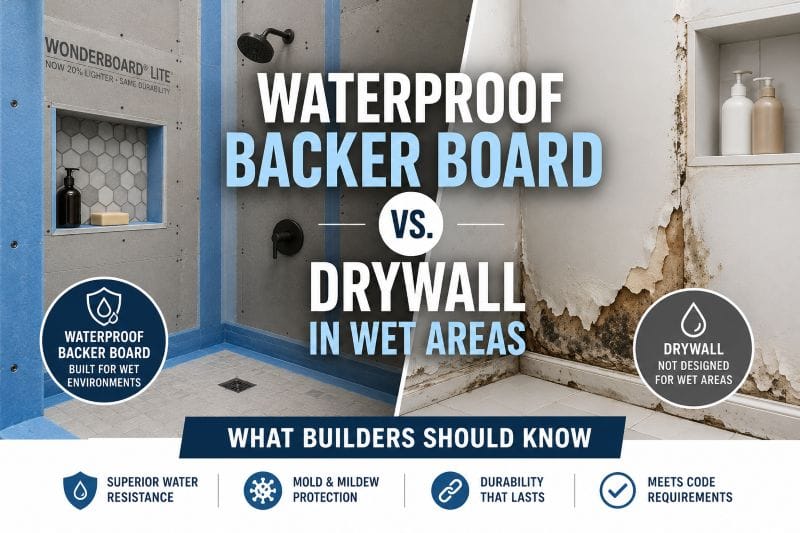
Coordinate Accessories Before the Wall Is Closed
Seats, grab bars, shelves, and glass hardware change the way a shower wall should be supported. A shower backer board can provide a tile-ready surface, but the framing and blocking behind it still matter. Buyers should not order boards without confirming these accessory zones.
Inspection Notes That Help the Next Trade
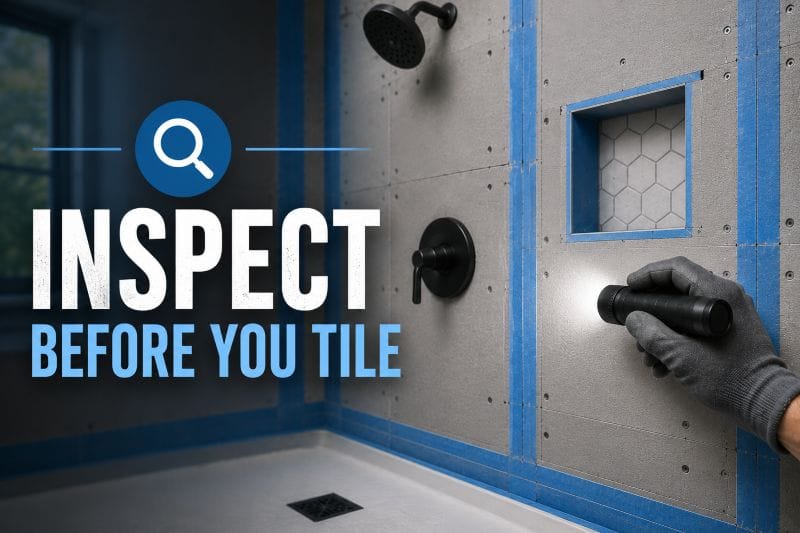
- Photograph the board layout before tile starts.
- Show niche corners and valve openings in close-up photos.
- Record any changed fixture locations.
- Confirm that damaged board edges have been addressed.
- Keep the first approved shower as a reference for repeated rooms.
The Products page helps buyers connect these details to available board and auxiliary material options. The contact page is the right place to send room dimensions and fixture notes for a project discussion.
Final Thoughts
A shower backer board is most valuable when the project team uses it to organize details before tile. Niches, valves, corners, and accessories should be shown, cut, checked, and documented while the wall is open. That discipline makes the finished shower easier to trust and easier to repeat.
FAQs About Shower Backer Board Details
Why do niches need special shower backer board planning?
Niches combine horizontal surfaces, inside corners, and multiple board cuts, so they need clear detailing before tile installation.
Should valve openings be cut before inspection?
Openings can be cut before inspection, but they should be clean, supported, and reviewed with the seam and penetration plan.
How can corners be checked on site?
Corners should be straight, supported, and visible before tile. Photos help compare repeated rooms.
Is one board layout enough for every shower?
No. Layout should follow fixture location, tile format, and water exposure in each room.
Where should buyers request technical help?
Buyers can share drawings, wet-zone notes, and fixture locations through the contact page before ordering materials.
Project buyers can share room drawings, finish schedules, and wet-zone notes through the contact page so the material discussion starts with the right context.
For procurement teams, the shower backer board decision should stay attached to drawings, tile format, and site inspection notes so the material choice can be checked before work is hidden.
A final shower backer board review also helps distributors answer technical questions with project facts instead of generic catalog language.
When the shower backer board is specified clearly, installers can coordinate seams, cuts, and accessories with fewer last-minute changes.