
Choosing Waterproof Backer Board for Steam Rooms and High-Humidity Interiors
Choosing Waterproof Backer Board for Steam Rooms and High-Humidity Interiors is a practical topic for builders working on steam rooms and spa interiors because the wall behind tile determines how confidently the finished space can handle water, cleaning, and daily use. The focus is not on selling a single detail as a miracle fix. It is on using waterproof backer board in the right places, with the right checks, so the visible finish has a better foundation.
Spis treści
The search intent behind this guide is simple: select wet-area wall boards for interiors that stay damp for longer periods. Readers usually do not need another broad definition. They need to know what to check, what to ask, and how a waterproof backer board choice changes real decisions on site.
Aby zapoznać się z powiązanym planowaniem produktów na tej stronie, przejrzyj system ochrony przed wilgocią w łazience strona Użyj tych linków jako kontekstu projektu, postępując zgodnie z wybranymi instrukcjami produktu i dokumentami pracy.
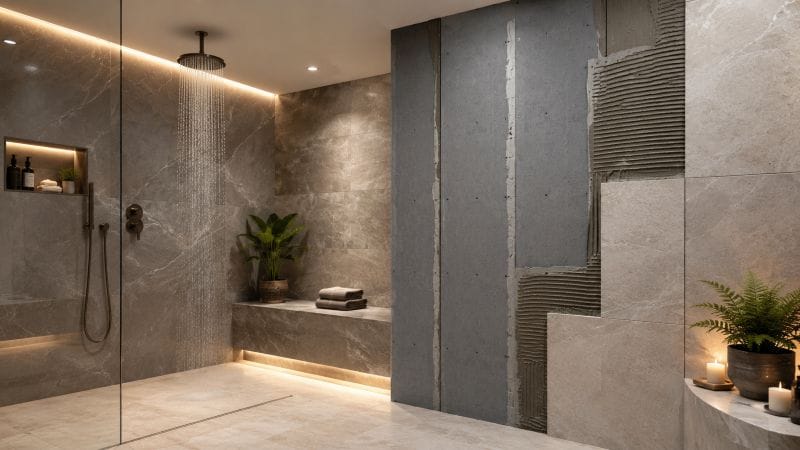
Pytania do ustalenia kierunku
Przed wyborem wodoodpornej płyty podkładowej zespół projektowy powinien zwolnić i zdefiniować stan pomieszczenia Poniższe pytania pomagają przenieść rozmowę z ogólnego zainteresowania produktem do wyraźnego zakresu obszaru mokrego.
Dla kontekstu zewnętrznego, przegląd wskazówki dotyczące instalacji płytek w pomieszczeniu parowym i kontrola wilgoci i zapobieganie pleśni. Odniesienia te wspierają kontrole projektu w tym artykule bez zastępowania wybranych instrukcji produktu.
- Is the room only wet during use or humid for hours?
- How are ceilings and upper walls treated?
- Are penetrations easy to seal?
- Can the assembly dry at the right side?
| Condition | Design response |
|---|---|
| Lingering steam | Treat upper walls and ceilings carefully |
| Benches | Plan support and wet surfaces together |
| Penetracje | Keep openings intentional and inspectable |
| Slow drying | Avoid details that trap moisture unnecessarily |
Understand the Difference Between Splash and Persistent Humidity
Steam rooms and spa interiors challenge wall materials because moisture is not limited to direct splash. Warm vapor can linger at ceilings, upper walls, benches, and corners. A waterproof backer board should be considered as part of a complete humidity strategy, not as a decorative backing choice. Understand the Difference Between Splash and Persistent Humidity is where that planning becomes visible. When the site team understands this point, the waterproof backer board becomes a planning tool as much as a material choice.
Persistent humidity changes how small details behave. An opening that seems harmless in a normal bathroom may become a repeated moisture path in a spa room. Planning penetrations, seams, and transitions around waterproof backer board helps reduce avoidable weak points. Understand the Difference Between Splash and Persistent Humidity is where that planning becomes visible. For builders working on steam rooms and spa interiors, this matters because the decision is made once but affects every later trade that touches the room.
The question is not only whether a surface can resist occasional water. It is whether the wall assembly can remain stable when the room is used often, stays warm, and dries slowly. That is why board selection, layout, and sealing method should be discussed together. Understand the Difference Between Splash and Persistent Humidity is where that planning becomes visible. In this section, the practical goal is to make the wall easier to inspect before the finish hides the work.
Plan Continuous Support Around Corners and Ceilings
Persistent humidity changes how small details behave. An opening that seems harmless in a normal bathroom may become a repeated moisture path in a spa room. Planning penetrations, seams, and transitions around waterproof backer board helps reduce avoidable weak points. Plan Continuous Support Around Corners and Ceilings is where that planning becomes visible. The detail does not need to be complicated, but it should be deliberate enough that the crew can repeat it without improvising.
The question is not only whether a surface can resist occasional water. It is whether the wall assembly can remain stable when the room is used often, stays warm, and dries slowly. That is why board selection, layout, and sealing method should be discussed together. Plan Continuous Support Around Corners and Ceilings is where that planning becomes visible. That is why the conversation should stay close to the room, the water path, and the tile finish rather than drifting into vague product language.
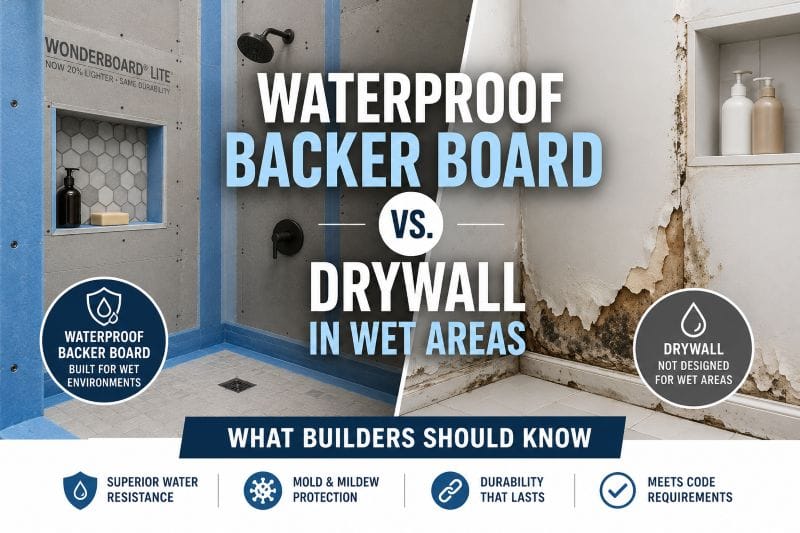
Steam rooms and spa interiors challenge wall materials because moisture is not limited to direct splash. Warm vapor can linger at ceilings, upper walls, benches, and corners. A waterproof backer board should be considered as part of a complete humidity strategy, not as a decorative backing choice. Plan Continuous Support Around Corners and Ceilings is where that planning becomes visible. When the site team understands this point, the waterproof backer board becomes a planning tool as much as a material choice.
Treat Openings as Part of the System
The question is not only whether a surface can resist occasional water. It is whether the wall assembly can remain stable when the room is used often, stays warm, and dries slowly. That is why board selection, layout, and sealing method should be discussed together. Treat Openings as Part of the System is where that planning becomes visible. That is why the conversation should stay close to the room, the water path, and the tile finish rather than drifting into vague product language.
Steam rooms and spa interiors challenge wall materials because moisture is not limited to direct splash. Warm vapor can linger at ceilings, upper walls, benches, and corners. A waterproof backer board should be considered as part of a complete humidity strategy, not as a decorative backing choice. Treat Openings as Part of the System is where that planning becomes visible. When the site team understands this point, the waterproof backer board becomes a planning tool as much as a material choice.
Persistent humidity changes how small details behave. An opening that seems harmless in a normal bathroom may become a repeated moisture path in a spa room. Planning penetrations, seams, and transitions around waterproof backer board helps reduce avoidable weak points. Treat Openings as Part of the System is where that planning becomes visible. For builders working on steam rooms and spa interiors, this matters because the decision is made once but affects every later trade that touches the room.
Avoid Small Decisions That Create Long-Term Weak Points
Steam rooms and spa interiors challenge wall materials because moisture is not limited to direct splash. Warm vapor can linger at ceilings, upper walls, benches, and corners. A waterproof backer board should be considered as part of a complete humidity strategy, not as a decorative backing choice. Avoid Small Decisions That Create Long-Term Weak Points is where that planning becomes visible. That is why the conversation should stay close to the room, the water path, and the tile finish rather than drifting into vague product language.
Persistent humidity changes how small details behave. An opening that seems harmless in a normal bathroom may become a repeated moisture path in a spa room. Planning penetrations, seams, and transitions around waterproof backer board helps reduce avoidable weak points. Avoid Small Decisions That Create Long-Term Weak Points is where that planning becomes visible. When the site team understands this point, the waterproof backer board becomes a planning tool as much as a material choice.
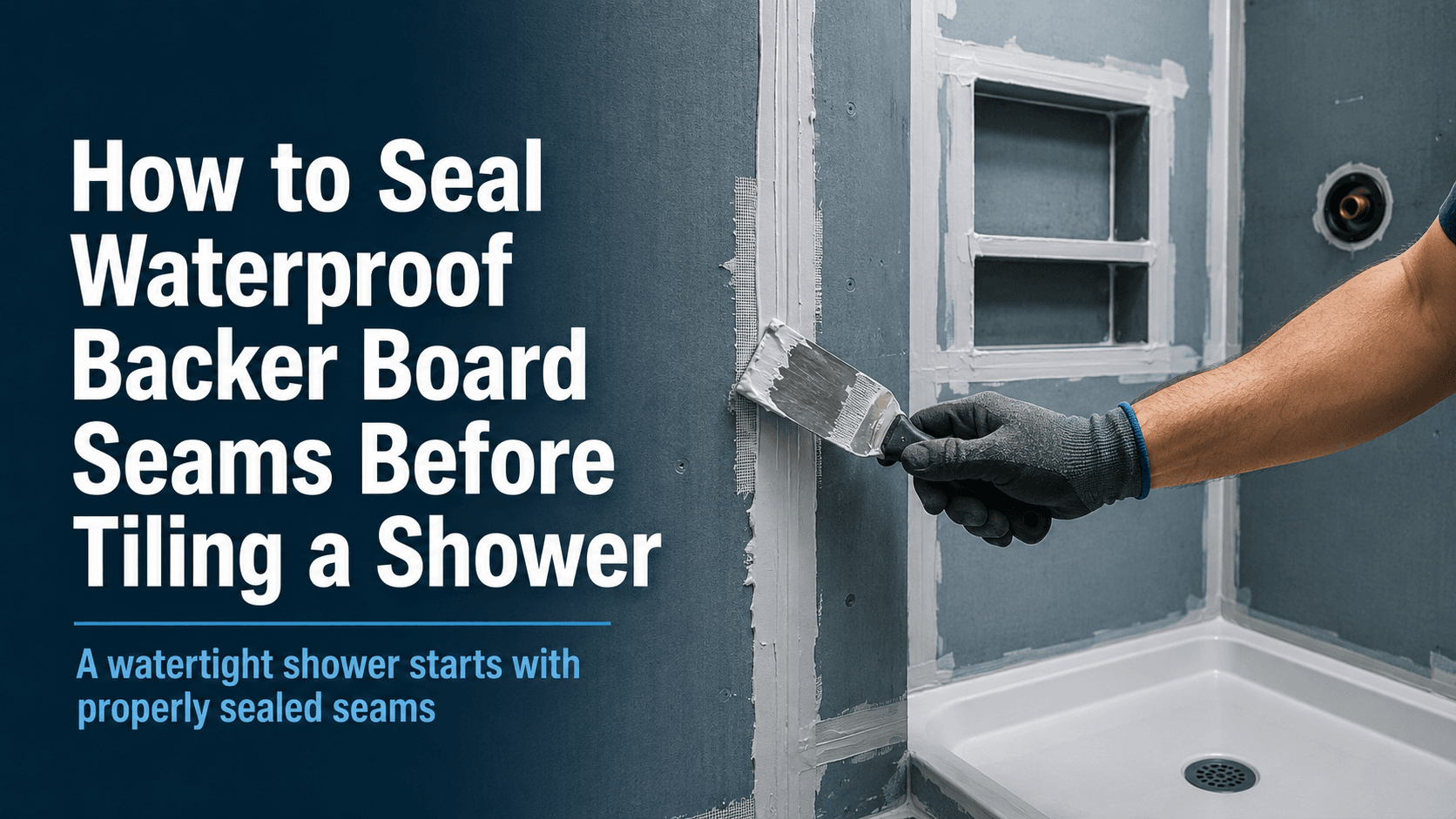
The question is not only whether a surface can resist occasional water. It is whether the wall assembly can remain stable when the room is used often, stays warm, and dries slowly. That is why board selection, layout, and sealing method should be discussed together. Avoid Small Decisions That Create Long-Term Weak Points is where that planning becomes visible. For builders working on steam rooms and spa interiors, this matters because the decision is made once but affects every later trade that touches the room.
Specification Notes for Spa Rooms
Persistent humidity changes how small details behave. An opening that seems harmless in a normal bathroom may become a repeated moisture path in a spa room. Planning penetrations, seams, and transitions around waterproof backer board helps reduce avoidable weak points. Specification Notes for Spa Rooms is where that planning becomes visible. The detail does not need to be complicated, but it should be deliberate enough that the crew can repeat it without improvising.
The question is not only whether a surface can resist occasional water. It is whether the wall assembly can remain stable when the room is used often, stays warm, and dries slowly. That is why board selection, layout, and sealing method should be discussed together. Specification Notes for Spa Rooms is where that planning becomes visible. That is why the conversation should stay close to the room, the water path, and the tile finish rather than drifting into vague product language.
Steam rooms and spa interiors challenge wall materials because moisture is not limited to direct splash. Warm vapor can linger at ceilings, upper walls, benches, and corners. A waterproof backer board should be considered as part of a complete humidity strategy, not as a decorative backing choice. Specification Notes for Spa Rooms is where that planning becomes visible. When the site team understands this point, the waterproof backer board becomes a planning tool as much as a material choice.
Jak zamienić poradę w brief zakupowy
Przydatny brief zakupowy powinien zawierać nazwę rodzaju pomieszczenia, wykończenia, poziomu ekspozycji, oczekiwanej grubości płyty, potrzeb akcesoriów i punktu kontroli. Jeśli tych szczegółów brakuje, wodoodporna płyta podkładowa może nadal być dobrym produktem, ale zespół witryny będzie musiał wypełnić zbyt wiele luk podczas instalacji.
Kupujący nie musi pisać długiej instrukcji technicznej Krótka notatka, która opisuje, gdzie będzie używana wodoodporna płyta podkładowa, jak spotyka się z sąsiednimi powierzchniami i które obszary wymagają szczególnej uwagi, może zapobiec wielu możliwym do uniknięcia pytaniom.
Typowe błędy, których należy unikać
- Wybór wodoodpornej płyty podkładowej po ustaleniu układu płytek.
- Traktowanie wszystkich mokrych i suchych ścian tak, jakby miały taką samą ekspozycję.
- Ignorowanie penetracji, nisz, ławek lub podkładu oprawy aż do dnia instalacji.
- Pomijanie zdjęć i kontroli przed płytką ukrywa przygotowanie ściany.
Najdroższym błędem zwykle nie jest sama płyta, Jest to reakcja łańcuchowa powstająca, gdy wodoodporna płyta podkładowa jest wybierana bez wystarczających informacji o ścianie, płytce i sposobie, w jaki woda będzie przemieszczać się przez pomieszczenie.
Pomocne referencje zewnętrzne
Aby uzyskać szersze tło na temat terminologii płytek ceramicznych, czytelnicy mogą przejrzeć przegląd płytek ceramicznych w https://en.wikipedia.org/wiki/Ceramic_tile, Aby uzyskać ogólne informacje na temat koncepcji wilgoci budynku, Przewodnik projektowania całego budynku jest użytecznym źródłem edukacyjnym w https://www.wbdg.org/resources/moisture-management. Odniesienia te wspierają ogólne zrozumienie i należy je czytać wraz z instrukcjami produktu i lokalnymi wymaganiami kodowymi dla konkretnego projektu.
Wniosek
Żaden pojedynczy materiał nie usuwa potrzeby wykonania Wartość wodoodpornej płyty podkładowej jest najsilniejsza, gdy jest ona zainstalowana jako część kompletnego planu obszaru podmokłego, z dbałością o dokładne miejsca, w których spotykają się woda, ruch, oprawy i krawędzie płytek.
Dla właścicieli domów ten sam pomysł można wyjaśnić w prosty sposób Widoczna płytka zależy od ukrytej ściany Wybór wodoodpornej płyty podkładowej wcześnie pomaga zespołowi remontowemu przygotować tę ukrytą warstwę z taką samą powagą jak wykończenie, które wszyscy zobaczą.
FAQs About Choosing Waterproof Backer Board for Steam Rooms and Hi
What should buyers check first for choosing waterproof backer board for steam rooms and high-humidity interiors?
Kupujący powinni sprawdzić ekspozycję ścian, podporę, otwory, wymagania wykończeniowe i czas inspekcji przed zatwierdzeniem wodoodpornej płyty podkładowej dla tego typu projektu.
W jaki sposób to planowanie pomaga instalatorom?
Daje instalatorom jaśniejsze informacje na temat cięć, szwów, akcesoriów i warunków przekazywania, zanim prace wykończeniowe ukryją ścianę.
Kiedy należy skontaktować się z dostawcą?
Skontaktuj się z dostawcą po dostępnych wymiarach pomieszczenia, rysunkach, miejscach osprzętu i przewidywanych obszarach wykończenia.
W przypadku przeglądu zamówienia decyzja dotycząca wodoodpornej tablicy poparcia powinna pozostać powiązana z rysunkami, warunkami na miejscu i widocznymi notatkami z inspekcji.
Przejrzysty wodoodporny zakres płyty podkładowej pomaga również instalatorom koordynować otwory, krawędzie, szwy i obszary przejściowe przed rozpoczęciem prac wykończeniowych.