
How to Protect Waterproof Backer Board After Installation but Before Tiling
Pre-tile protection needs a visible protection step before tile work hides the wall. Here, site traffic, temporary covers, dust, delayed schedules shape the decision. The waterproof backer board choice for pre-tile protection should follow those project facts.
Table des matières
Why site traffic changes the wall decision
Site traffic affects layout, fastening, and the order of inspection. Ask who will explain that point, then keep the waterproof backer board review for pre-tile protection tied to the actual room condition.
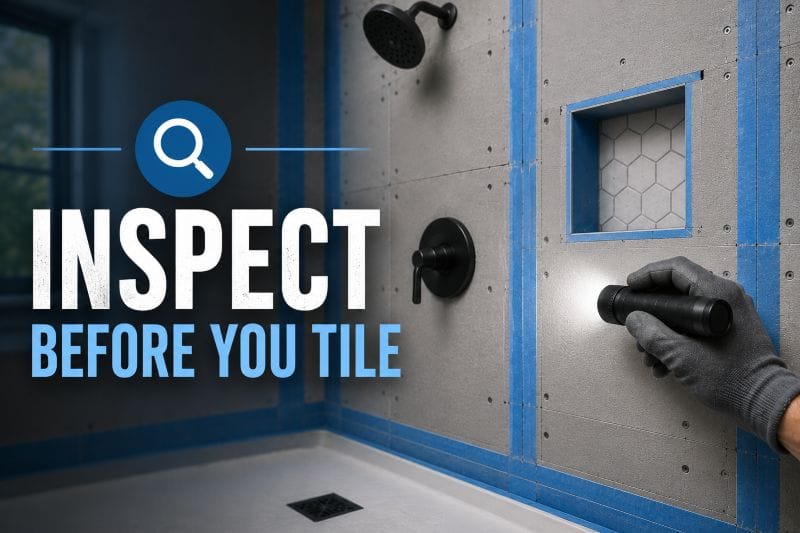
Inspection notes for temporary covers
Temporary covers deserves a separate check because it is easy to hide behind trim, tile, or hardware. The installer should protect finished board from trades that arrive before tile; that makes the waterproof backer board scope measurable before finish work starts.
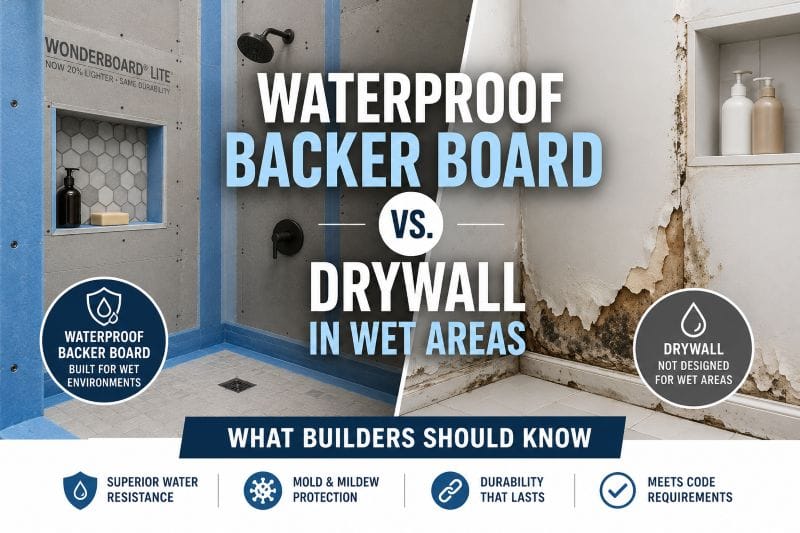
Evidence and product notes for pre-tile protection
Utilisez le Informations sur l'application des panneaux de support étanches ST when pre-tile protection needs product context. Compare the site note with Conseils de contrôle de l'humidité de l'EPA pour les bâtiments et guidage d'humidité de l'enceinte du bâtiment; l'approbation finale du panneau de support étanche doit toujours suivre les dessins et la fabrication visible.
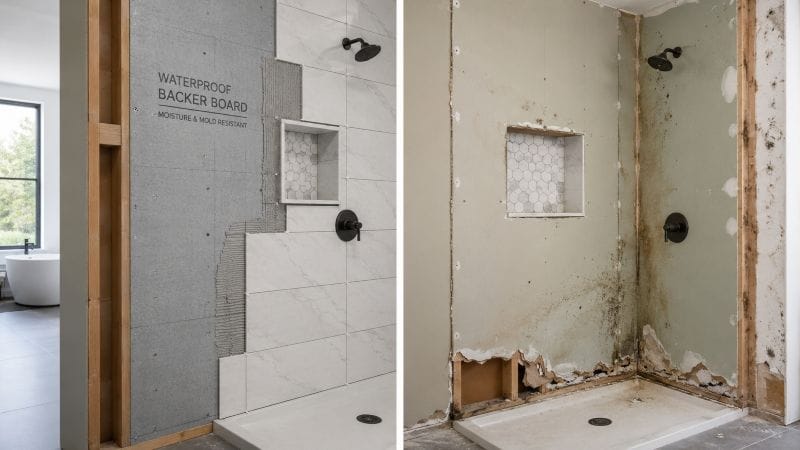
Field review notes for pre-tile protection
The homeowner representative should walk pre-tile protection with the drawings in hand and point to site traffic, temporary covers, dust, delayed schedules on the actual wall. That makes the waterproof backer board review practical: the board is judged by where it sits, what it touches, and how the finish crew will work around it. If the wall condition changes after delivery, the waterproof backer board decision should be revisited before cutting continues.
Procurement teams can use pre-tile protection to ask sharper questions. Is site traffic already shown on the drawing? Has temporary covers been allowed for in the schedule? Will the room be photographed before tile starts? Those answers make the waterproof backer board scope easier to compare across suppliers without turning the discussion into a price-only choice.
Installation planning for pre-tile protection should stay close to workmanship. Board edges, fastener positions, stored sheets, and opening cuts all influence fewer broad assumptions. A waterproof backer board is most convincing when the installer can explain how those details will be handled on this specific wall, not only in a general product description.
Approval should be simple enough for the project file: what was checked, who checked it, and what still needs correction. For pre-tile protection, that record keeps the waterproof backer board conversation tied to site evidence and helps the buyer decide whether the wall is ready for the next trade.
Before sign-off, photograph pre-tile protection, mark any correction, and keep the note with the room record. That simple habit helps buyers discuss waterproof backer board performance without relying on memory after the wall is covered.
Approval for pre-tile protection should also consider room access, trade order, storage condition, and the project record expected by the buyer.
The buyer should review pre-tile protection against delivery timing, installer access, and any correction that remains open before finish work.
A useful project note for pre-tile protection names the responsible trade, the room location, and the next step after inspection.