
Backer Board Storage: 7 Site Checks to Protect Panels Before Installation
backer board storage decisions are easier when buyers connect product selection with the real wall assembly. This guide explains how to review requirements, compare details, and prepare a clearer conversation with SHENGTU before ordering waterproof backer board or related keel components.
The goal is practical: help contractors, distributors, designers, installers, and project buyers avoid vague specifications, missed site constraints, and last-minute changes. The backer board storage topic is handled as a jobsite decision, not a generic product description.
Table of Contents
- Why storage affects installation
- Storage conditions to check
- Handling with wall systems
- Jobsite storage risks
- Delivery planning
- Inspection before use
- Mistakes to avoid
- Takeaway
- FAQs
Why storage affects installation quality
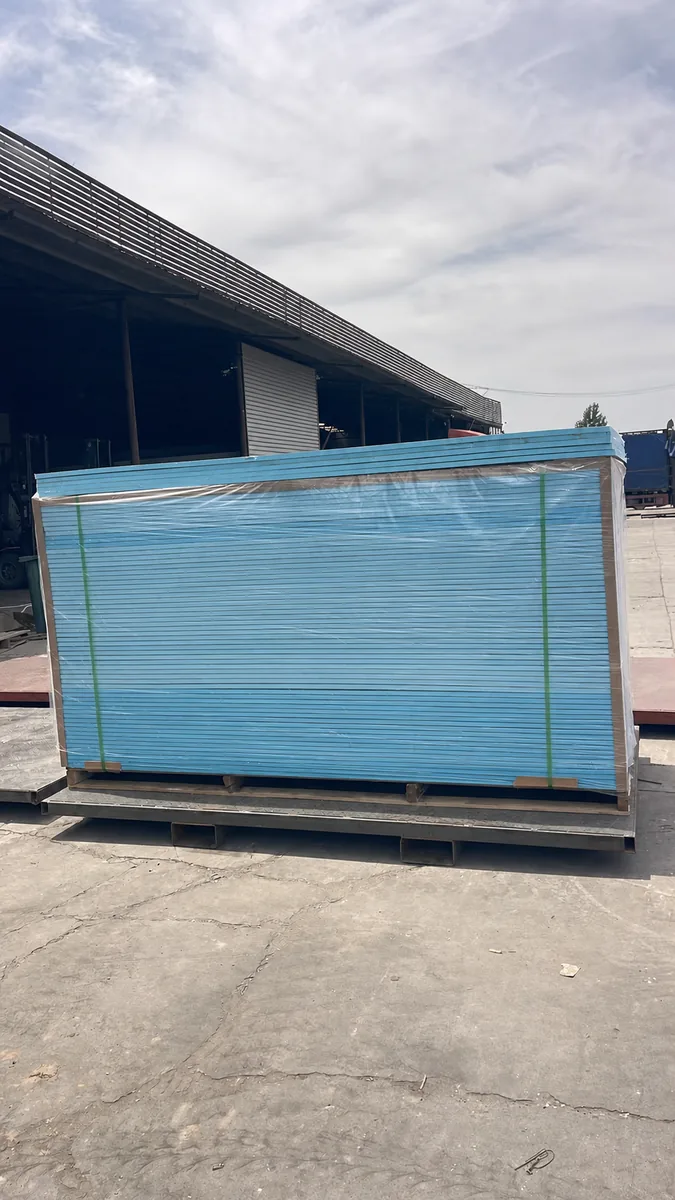
Backer board storage is often treated as a small site task, but it can affect panel flatness, edge condition, surface cleanliness, and installer confidence. A good storage plan keeps waterproof panels ready for wet-area walls.
For wet-area projects, backer board storage should be checked against wall framing, expected exposure, tile layout, openings, and inspection timing. That early review protects schedule clarity and helps the purchasing team ask better questions before materials arrive.
Storage conditions to check
Backer board storage should be dry, flat, supported, and away from high-traffic damage. The goal is not complicated; it is to keep panels in the same condition expected during approval and installation.
| Storage factor | Preferred practice |
| Stacking | Keep boards flat and supported |
| Moisture exposure | Avoid standing water and uncontrolled rain |
| Edge protection | Keep corners away from traffic routes |
| Identification | Keep product batches easy to locate |
Handling panels with keel and wall systems
Backer board storage should be coordinated with the installation sequence. If quick-install keel or wall framing is being staged at the same time, keep boards close enough for efficiency but protected from metal edges, tools, and debris.
Jobsite risks that damage panels
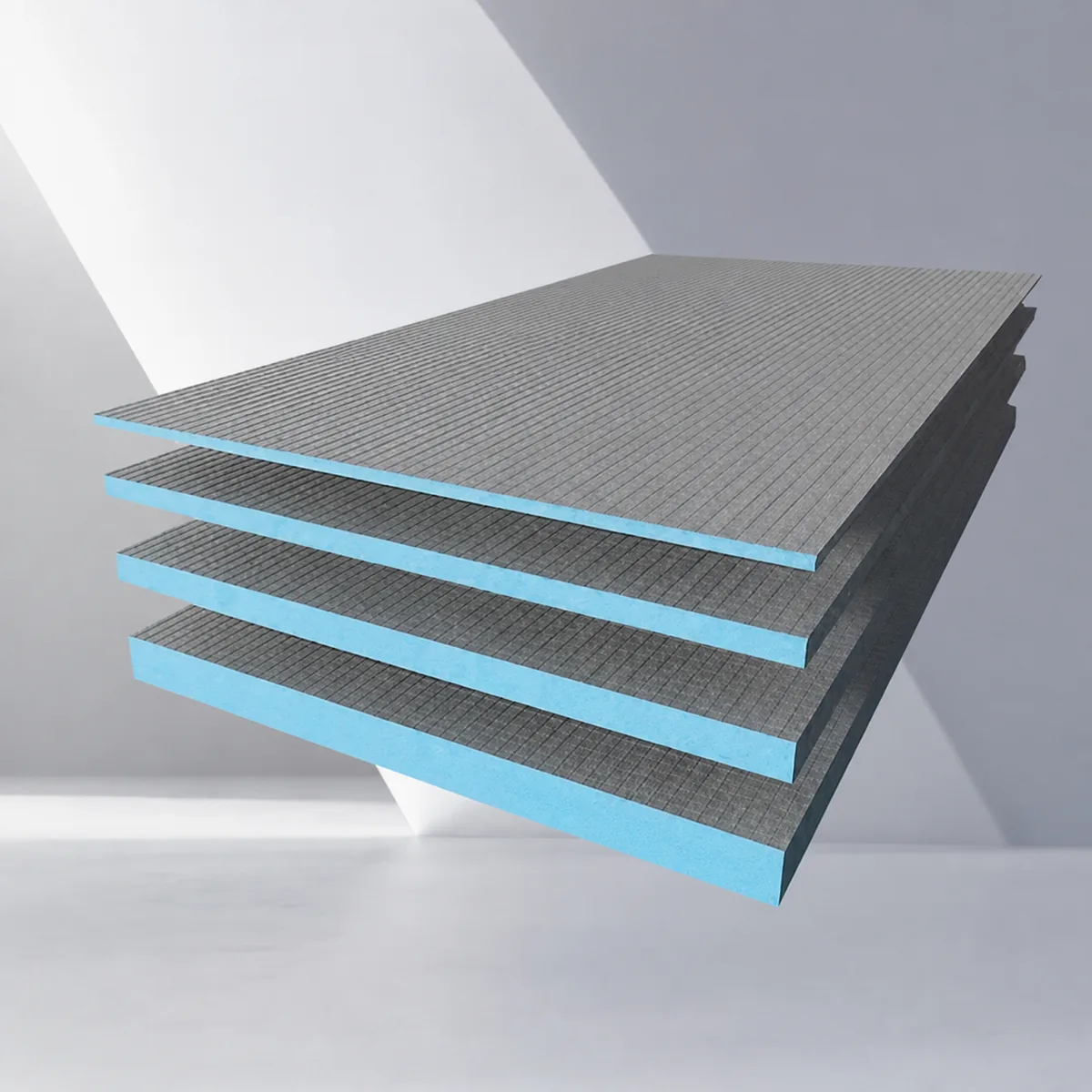
Common risks include leaning panels against uneven walls, dragging corners across floors, placing heavy materials on unsupported stacks, and mixing waterproof board with unrelated site waste. A backer board storage plan prevents these avoidable issues.
The main risk is assuming that every wet wall has the same conditions. A backer board storage review should separate standard walls from high-use corners, pipe penetrations, storage constraints, and areas where other trades may change the surface before tile work begins.
Delivery planning for procurement teams
Procurement teams should discuss backer board storage before delivery, especially on crowded renovation sites. The delivery location, pallet access, lift availability, and room-by-room staging plan can all influence panel condition.
- Confirm a flat protected staging area.
- Keep packaging labels visible until installation.
- Avoid stacking unrelated heavy materials on panels.
- Inspect edges before panels enter the room.
Inspection before use
Before installation, backer board storage should end with a quick inspection. Check surface condition, board flatness, corner damage, and whether panels were exposed to conditions outside the approved site plan.
Industry resources such as the Tile Council of North America are useful references for understanding tile installation expectations, while the OSHA warehousing storage guidance reinforces why moisture, storage, and building performance should be addressed before finishes cover the wall.
Mistakes to avoid on active sites
A frequent mistake is assuming waterproof products can be stored carelessly. Backer board storage still matters because boards must remain straight, clean, and easy to fasten for tile-ready wall work.
Takeaway for site supervisors
Backer board storage is a simple control point that protects later workmanship. Site supervisors who assign a clear staging area help installers work faster and reduce avoidable disputes about panel condition.
For related product information, review SHENGTU waterproof backer board options and the quick-install keel system. These internal resources help connect backer board storage decisions with materials available from the same supplier.
Practical field notes
Start with the rooms that carry the highest risk. High-use shower walls, service areas, storage rooms, and renovation zones often reveal problems earlier than simple dry walls. A short review of those spaces helps the team see whether the chosen board strategy is practical under real site pressure.
The project record should stay usable. Keep photos, room names, drawing references, material notes, and open questions in one place so that procurement, supervision, and installation teams do not rely on memory. Clear records are especially useful when several crews work in different areas of the same building.
A final check should separate supplier questions from site responsibilities. Product selection, accessory match, packaging, and delivery planning can be discussed with SHENGTU, while local code, final design approval, and structural decisions should remain with the qualified project professionals responsible for the building.
Site execution notes
A useful site plan does not need to be long. It should show where boards will be stored, who checks the first room or first wall, how questions are recorded, and when the area is ready for the tile crew. This gives the project team a practical rhythm instead of a vague instruction.
Supervisors should also protect the decision record from becoming stale. If a wall is repaired, a delivery is moved, or an opening changes, update the record before the next crew starts work. Small updates at the right time are easier than explaining a hidden problem after the finish is installed.
For purchasing teams, these notes create a better supplier conversation. Instead of asking only whether a board is suitable, the buyer can explain room conditions, handling limits, delivery timing, and accessory needs. That makes the response more specific and helps prevent mismatched expectations.
FAQs
Why is backer board storage important?
Backer board storage is important because damaged edges, dirty surfaces, or poor stacking can affect installation quality before the board reaches the wall.
Should boards be stored flat or upright?
Flat, supported backer board storage is usually safer for preserving board condition, unless project-specific handling guidance says otherwise.
Can waterproof boards be left in wet site conditions?
Backer board storage should still avoid uncontrolled water and debris so panels stay clean and ready for installation.
Who is responsible for storage planning?
The buyer, contractor, and site supervisor should agree on backer board storage before delivery.
What should be checked before installation?
Check flatness, corners, surface cleanliness, and packaging condition after backer board storage and before fastening.
Discuss your project with SHENGTU
If your team is comparing substrates, framing details, or wet-area installation plans, share your drawings, room type, board thickness preference, finish plan, and expected order schedule with SHENGTU. We can help you review whether the backer board storage approach fits the project before procurement moves too far.