
Light Steel Keels: Efficiency Meets Durability
In today’s fast-paced construction industry, efficiency and durability are no longer optional—they are fundamental requirements. Builders, architects, and developers are constantly seeking solutions that combine speed, safety, and long-term reliability. Among these solutions, light steel keels have emerged as a leading technology in modern construction.
Table of Contents
Light steel keels, often referred to as light-gauge steel framing, are designed to provide robust structural support while remaining lightweight and easy to handle. They have become a preferred alternative to traditional materials such as timber or heavy steel, offering superior strength, precision, and adaptability for a wide range of construction projects.
For related product planning on this site, review the waterproof backing board products page. Use these links as project context while following the selected product instructions and job documents.
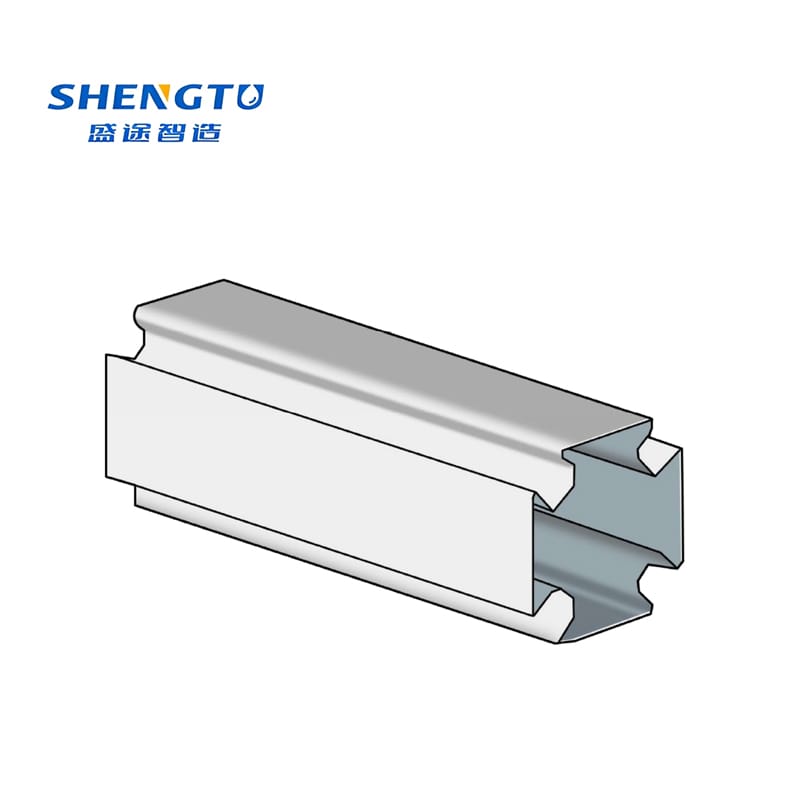
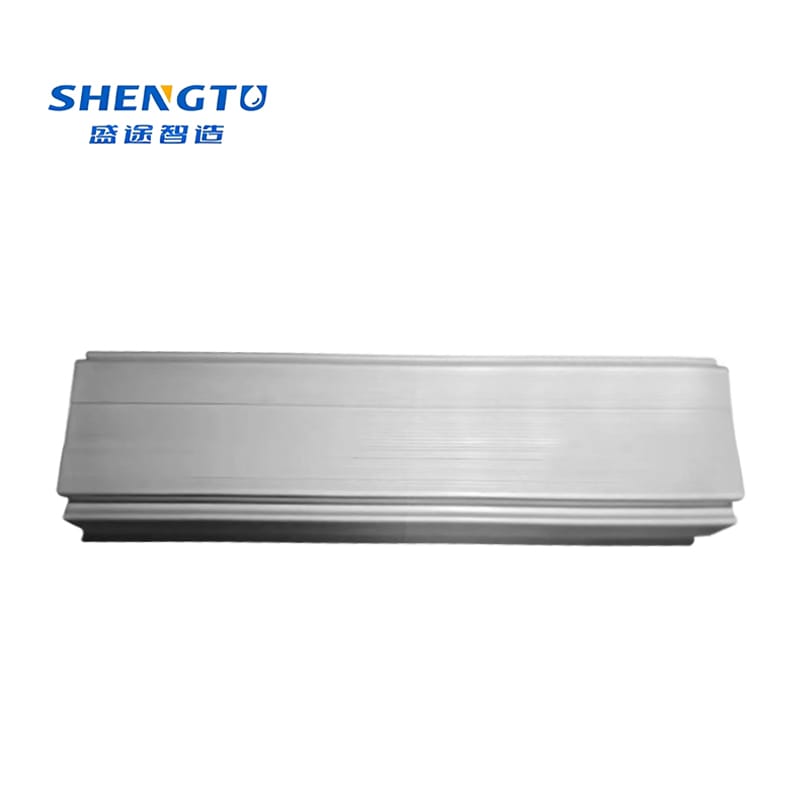
This article explores the advantages, applications, technological innovations, and future trends associated with light steel keels, explaining why they have become a cornerstone of modern, efficient, and durable construction practices.
For external context, review moisture control guidance for building design and construction and managing moisture in building enclosures. These references support the project checks in this article without replacing the selected product instructions.
Evolution of Construction Materials
Historically, the construction industry relied heavily on timber, concrete, and traditional steel frameworks. While these materials offered structural reliability, they presented several challenges:
- High Weight: Heavier materials increased transportation and labor costs.
- Environmental Limitations: Wood is susceptible to termites and moisture, while untreated steel may corrode.
- Longer Construction Cycles: Concrete and traditional materials require longer curing times and extensive on-site work.
The introduction of light steel keels addressed these limitations. Manufactured from high-strength cold-rolled steel, they offer a lightweight yet extremely strong alternative. Their precision-engineered profiles ensure consistent load distribution, enhanced structural stability, and minimal deformation over time.
Key Advantages of Light Steel Keels
1. Superior Strength and Structural Integrity
Despite being lightweight, light steel keels provide exceptional load-bearing capacity. Their design ensures that stress is evenly distributed across walls, ceilings, and partitions, preventing sagging or warping.
- High tensile strength resists bending under load
- Uniform profile design ensures consistent structural performance
- Ideal for multi-story residential and commercial construction
2. Rapid Installation
Speed is critical in modern construction. Light steel keels are prefabricated with pre-punched holes and standardized sizes, making them easy to assemble on-site.
- Modular design allows for quick assembly and reduced on-site adjustments
- Lighter weight simplifies transportation and handling
- Accelerates project timelines, reducing labor costs
3. Fire and Corrosion Resistance
Safety and durability are key considerations. Light steel keels are treated to resist corrosion and, in many cases, enhanced for fire resistance.
- Protects structural integrity in humid or harsh environments
- Performs reliably in kitchens, bathrooms, basements, and exterior walls
- Meets or exceeds building code requirements for safety
4. Environmental and Sustainable Benefits
Sustainability has become a driving factor in construction. Light steel keels contribute to eco-friendly building practices:
- Manufactured from recyclable steel
- Reduces waste compared to traditional materials
- Lightweight design reduces transportation energy consumption
By incorporating light steel keels, construction projects can achieve both environmental and economic benefits.
Applications in Modern Construction
Light steel keels are highly versatile, making them suitable for numerous building types and scenarios:
- Residential Buildings: Walls, ceilings, partitions, and attic frameworks
- Commercial Spaces: Office buildings, shopping malls, and retail stores
- Industrial Facilities: Warehouses, factories, and storage units
- Public Infrastructure: Schools, hospitals, government buildings, and community centers
- Wet Areas: Bathrooms, kitchens, and basements requiring durable, moisture-resistant frameworks
This versatility allows builders and designers to standardize materials across a variety of projects, simplifying procurement and installation processes.
Integration with Modern Construction Technology
Prefabrication, automation, and digital design have transformed the construction industry, and light steel keels are perfectly aligned with these trends.
- Computer-Aided Design (CAD): Ensures precise dimensions and alignment
- Prefabrication: Allows off-site assembly of components, reducing on-site labor and errors
- Modular Construction: Light steel keels can be combined with other systems for walls, ceilings, and partitions, offering flexible design options
These technologies improve project efficiency, reduce waste, and ensure high-quality construction outcomes.
Economic Advantages
Light steel keels offer measurable economic benefits for developers and contractors:
- Reduced Labor Costs: Quick assembly and minimal on-site modification reduce workforce needs.
- Faster Project Completion: Prefabricated components accelerate schedules, reducing overhead costs.
- Lower Maintenance Costs: Durable steel frameworks require fewer repairs over the building’s lifecycle.
- Material Efficiency: Lightweight steel reduces transportation and handling costs, maximizing resource utilization.
These economic advantages make light steel keels a practical, cost-effective solution in addition to their technical benefits.
Case Studies
Residential Complex
In a high-rise residential project, light steel keels were used to construct interior partitions and ceilings. The modular design allowed for rapid assembly, reducing construction time by 25% while maintaining precise alignment and durability.
Commercial Office Building
A commercial office project implemented light steel keels for walls and suspended ceilings. Prefabrication and standardized profiles significantly reduced installation errors, lowered labor costs, and improved fire safety compliance.
Industrial Facility
In a large warehouse, light steel keels provided structural support for partitions and mezzanine floors. The lightweight steel reduced the foundation load while maintaining high structural integrity, demonstrating both efficiency and durability.
Advantages Over Traditional Materials
Compared to timber, masonry, or heavy steel, light steel keels offer clear benefits:
- Durability: Resistant to warping, cracking, termites, and corrosion
- Speed: Faster installation with prefabricated components
- Versatility: Suitable for residential, commercial, industrial, and infrastructure projects
- Cost-Effectiveness: Reduced labor, maintenance, and transportation costs
These advantages explain why light steel keels are becoming a preferred choice for modern construction projects worldwide.
Future Trends in Light Steel Construction
The construction industry is evolving rapidly, and light steel keels are expected to play a major role in future innovations:
- Smart Building Integration: Supporting wiring, HVAC, and smart systems for modern infrastructure
- Advanced Prefabrication: Robotics and automation will allow more precise and efficient production
- Eco-Friendly Materials: Increased use of recycled steel and low-emission coatings
- Global Standardization: Harmonized profiles and specifications facilitate international adoption
These trends point to a future where light steel keels are central to sustainable, efficient, and resilient building practices.
Conclusion
Light steel keels represent a significant advancement in construction technology, combining efficiency and durability in a single, versatile solution. From residential buildings to commercial and industrial projects, these frameworks improve structural performance, accelerate construction timelines, and reduce long-term maintenance costs.
Their lightweight, corrosion-resistant, and fire-safe properties make them an ideal choice for modern architecture. By integrating light steel keels into building designs, contractors and developers can achieve higher-quality results with lower risk, faster delivery, and enhanced sustainability.
As the construction industry continues to innovate, light steel keels will remain at the forefront, exemplifying the ideal balance of efficiency and durability, and solidifying their position as a preferred building solution worldwide.
For procurement review, the light steel keel decision should stay connected to drawings, site conditions, and visible inspection notes.
A clear light steel keel scope also helps installers coordinate openings, edges, seams, and transition areas before finish work begins.
When light steel keel is selected with the room condition in mind, the buyer can discuss materials with better technical context.
The practical value of the article is in the decision criteria: exposure, substrate condition, edge support, openings, documentation, and trade handoff.
Readers should leave with a clearer process for reviewing the wall, not just a repeated product phrase.
That process makes the content more useful for contractors, distributors, and project buyers comparing wet-area materials.
The broader specification should also cover load expectations, connection points, corrosion exposure, delivery condition, and inspection records. Those details make the article more useful for procurement teams because the material decision is tied to real site coordination, not only to a repeated product phrase.
Project teams should confirm drawings, accessories, tolerances, storage practices, and installer responsibilities before approval. That approach keeps the framing discussion practical and helps avoid vague assumptions during interior wall construction.