High-Quality Waterproof Boards Become Market Favorite
In modern construction, water damage remains one of the most critical challenges faced by architects, contractors, and property owners. From residential buildings to commercial complexes and infrastructure projects, moisture intrusion can lead to structural damage, mold growth, and reduced building longevity. As a result, the demand for reliable, high-quality waterproof boards has surged globally.
Table of Contents
High-quality waterproof boards, engineered for superior moisture resistance, durability, and structural integrity, are rapidly becoming the preferred solution for modern construction projects. They not only protect buildings from water-related damages but also streamline construction processes and enhance overall efficiency.
For related product planning on this site, review the waterproof backing board products page. Use these links as project context while following the selected product instructions and job documents.
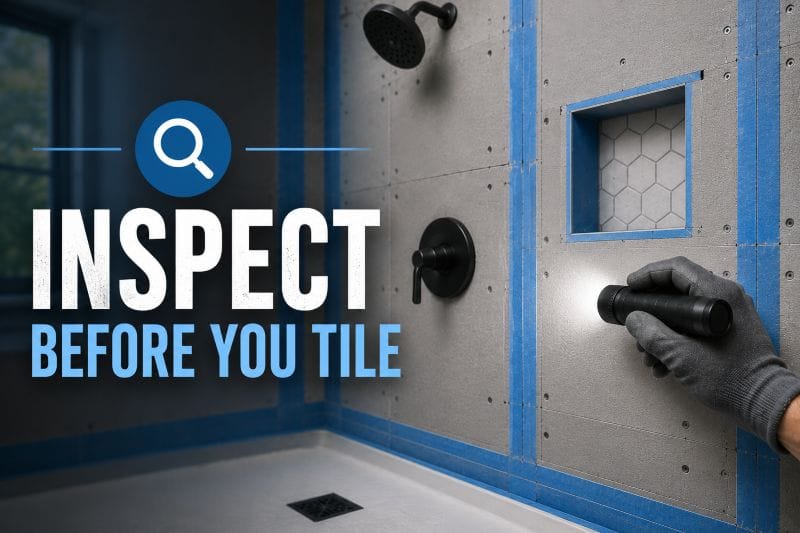
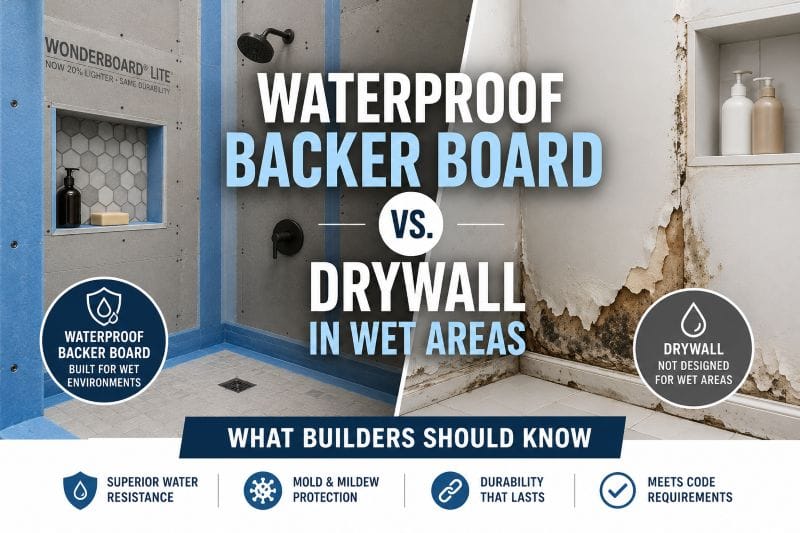
This article explores why waterproof boards are becoming a market favorite, examining their benefits, applications, technological advancements, and role in modern construction trends.
For external context, review moisture control guidance for building design and construction and managing moisture in building enclosures. These references support the project checks in this article without replacing the selected product instructions.
The Growing Importance of Waterproofing
Water infiltration is a leading cause of structural problems in both residential and commercial buildings. Even minor leaks can result in:
- Degraded wall and ceiling materials
- Mold and mildew growth impacting indoor air quality
- Corrosion of metal structures
- Compromised insulation efficiency
As buildings become taller, more complex, and more exposed to extreme weather events, the need for reliable waterproof solutions is greater than ever. High-quality waterproof boards have emerged as a robust response to these challenges. Unlike traditional water-resistant paints or membranes, these boards offer a complete barrier system that integrates easily with walls, ceilings, bathrooms, kitchens, and basements.
What Makes High-Quality Waterproof Boards Superior
1. Advanced Material Composition
High-quality waterproof boards are typically made from a combination of cement, fiberglass, and specialized additives, or other engineered composites. This unique composition provides:
- Exceptional water resistance
- High compressive and flexural strength
- Resistance to mold, mildew, and bacteria growth
- Dimensional stability under varying temperature and humidity
This material strength ensures that the boards maintain integrity over time, even in challenging environmental conditions.
2. Durability and Longevity
Durability is a key factor in the preference for high-quality waterproof boards. Unlike traditional gypsum or wood-based panels, these boards are resistant to:
- Swelling or warping from moisture exposure
- Surface cracking or peeling
- Degradation caused by UV exposure in certain exterior applications
This longevity translates into lower maintenance costs and fewer replacements over the building’s life cycle, making these boards a cost-effective investment.
3. Ease of Installation
Time is money in construction, and high-quality waterproof boards offer significant advantages in installation:
- Lightweight design allows easy handling and faster mounting
- Pre-cut sizes and standardized profiles reduce on-site labor
- Compatibility with light steel keels and other structural frameworks streamlines construction
- Smooth surfaces simplify finishing work such as tiling, painting, or paneling
By reducing installation time and complexity, these boards enhance construction efficiency and minimize project delays.
4. Versatility Across Applications
Waterproof boards are highly versatile, suitable for a wide range of construction scenarios:
- Bathrooms and Wet Areas: Protecting walls, ceilings, and partitions in showers, toilets, and spas
- Kitchens: Resistant to steam, spills, and high humidity environments
- Basements and Underground Spaces: Preventing water ingress from soil and groundwater
- Exterior Walls: Acting as protective barriers in rain-prone areas
- Commercial and Industrial Facilities: Providing moisture protection in high-traffic or high-humidity areas
This adaptability allows contractors and designers to use a single solution across multiple areas, simplifying procurement and installation.
Technological Advancements Driving Market Popularity
Recent innovations in waterproof board technology have further cemented their status as market favorites.
1. Enhanced Waterproofing Performance
Modern boards utilize nano-coatings, hydrophobic additives, or integrated sealants to improve water resistance beyond traditional standards. This ensures that even under prolonged exposure to moisture, the boards remain intact and functional.
2. Fire and Heat Resistance
Many high-quality waterproof boards now incorporate fire-retardant properties, making them suitable for kitchens, commercial spaces, and industrial environments. These boards maintain structural integrity under high temperatures, contributing to overall building safety.
3. Lightweight and Eco-Friendly Materials
Manufacturers increasingly use recyclable materials and low-emission production techniques, aligning with sustainable building practices. Lightweight boards reduce transportation and handling costs while minimizing carbon footprint.
4. Precision Manufacturing
Computer-aided design and automated production lines ensure consistent thickness, uniform strength, and high dimensional accuracy. This reduces waste, improves quality control, and allows for seamless integration with other building materials.
Market Demand and Industry Trends
The global construction market is increasingly embracing high-quality waterproof boards due to rising expectations for building durability, safety, and sustainability. Key trends include:
- Residential Boom: Urbanization and high-density housing projects drive demand for reliable waterproof solutions in kitchens, bathrooms, and basements.
- Commercial Expansion: Hotels, offices, and shopping centers require materials that can withstand high foot traffic, humidity, and cleaning chemicals.
- Infrastructure Projects: Subways, bridges, and tunnels increasingly utilize waterproof boards to prevent water intrusion and ensure longevity.
- Renovation and Retrofitting: Older buildings undergoing upgrades or waterproofing enhancements often prefer modern waterproof boards for their ease of installation and superior performance.
Case Studies Highlighting Success
Residential Project
In a multi-story residential complex, high-quality waterproof boards were installed in bathrooms and kitchens. The project experienced reduced moisture-related complaints compared to previous developments, and installation time was cut by 25% due to lightweight panels and modular sizing.
Commercial Project
A hotel renovation project utilized waterproof boards throughout guest bathrooms and spa areas. The boards’ fire-resistant and anti-mold properties ensured long-term safety and hygiene while streamlining the renovation schedule.
Infrastructure Project
In an underground metro station, waterproof boards protected walls and ceilings from groundwater infiltration. The boards’ durability and precision fit reduced maintenance interventions and prolonged the infrastructure’s operational lifespan.
Advantages Over Traditional Alternatives
Traditional gypsum boards, plywood, or cement boards often fail under high-moisture conditions, leading to:
- Frequent replacements and higher maintenance costs
- Mold and bacterial growth affecting indoor air quality
- Structural damage from water penetration
High-quality waterproof boards, in contrast, offer:
- Long-term durability and minimal maintenance
- Superior moisture resistance and mold prevention
- Compatibility with modern construction frameworks
- Faster installation and reduced labor costs
This combination of benefits explains why the market increasingly favors these boards over conventional alternatives.
The Role of Standards and Certifications
Market adoption is also driven by stringent quality certifications and industry standards. High-quality waterproof boards often comply with:
- ISO and ASTM standards for moisture resistance, strength, and fire safety
- National construction codes for indoor and outdoor applications
- Environmental certifications for sustainable building practices
Compliance with these standards assures contractors, architects, and clients of product reliability, further increasing market acceptance.
Future Outlook
The popularity of high-quality waterproof boards is expected to grow as buildings become more complex, climate conditions more extreme, and sustainability requirements more rigorous. Future developments may include:
- Enhanced nano-technologies for superior water and fire resistance
- Lighter, stronger, and more eco-friendly materials
- Integration with smart building systems for leak detection and moisture monitoring
- Wider adoption in international markets due to standardized profiles and performance certifications
The trajectory points to a construction industry where waterproof boards are not merely auxiliary materials but essential building components.
For procurement review, the waterproof board decision should stay connected to drawings, site conditions, and visible inspection notes.
A clear waterproof board scope also helps installers coordinate openings, edges, seams, and transition areas before finish work begins.
When waterproof board is selected with the room condition in mind, the buyer can discuss materials with better technical context.