
Waterproof Backer Board for Project Buyers: How to Compare Samples Before Approval
Waterproof Backer Board for Project Buyers: How to Compare Samples Before Approval answers a practical search intent for procurement teams, contractors, and project managers: sample review and approval before buying wet-area boards. The short answer is that the wall should be evaluated before tile returns, fixtures are fixed, or materials are ordered.
Table of Contents
A Waterproof Backer Board is most useful when it is connected to the actual wet-area condition. This article keeps the focus on decisions a buyer or installer can verify on site, with supporting references to moisture management in buildings and mold and moisture control where general building context helps.
Decision Snapshot
| Question | Practical answer |
|---|---|
| Where is water exposure highest? | Start with shower, tub, splash, steam, or cleaning zones. |
| What must be visible before tile? | Board layout, seams, corners, openings, and transitions. |
| Which product pages help? | Waterproof Backer Board, XPS Insulation Backer Board |
| What should be documented? | A short pre-tile photo record and written approval note. |
Buyer and Installer Questions
- Does the proposed waterproof backer board location match the real wet-wall boundary?
- Are penetrations, corners, benches, shelves, or transitions already shown on the wall plan?
- Is the surface ready for the selected tile size and finish sequence?
- Can the owner or supervisor verify the hidden work before it disappears?
Review the Sample Against the Room
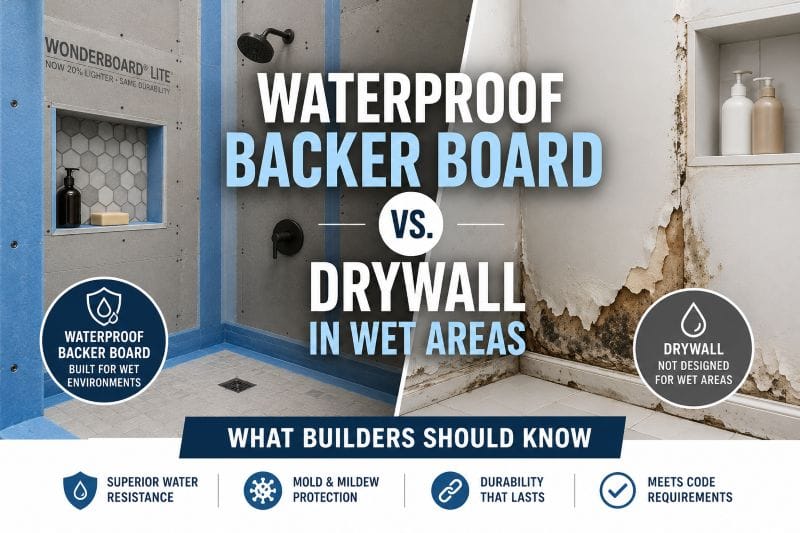
A sample should not be approved in isolation. Buyers should ask where the waterproof backer board will be used, what finish will cover it, and which wet-area details matter in the actual project.
Check Fit, Handling, and Cut Quality
A useful review includes thickness, edge condition, weight, cutting behavior, and storage needs. These practical checks help confirm whether waterproof backer board will work smoothly for the crew.
Ask About Accessories Early
Samples do not show the whole installation. Buyers should discuss seams, corners, collars, fabric, and sealant at the same time so waterproof backer board is approved with the supporting details it needs.
Compare Documentation, Not Claims
The best supplier conversation is specific. Product notes, installation guidance, and project fit matter more than broad promises. Waterproof backer board should be evaluated by how clearly it supports the wet-wall plan.
Approve With a Written Use Case
Before a bulk order, record the room type, wall location, finish, accessories, and inspection point. That turns waterproof backer board approval into a project decision, not just a sample preference.
Useful Internal References
For the product decision, review Waterproof Backer Board, XPS Insulation Backer Board, Contact Us. These pages help connect the article advice to actual board, accessory, and application options on the site.
FAQ
Is waterproof backer board needed on every bathroom wall?
No. It is most relevant where water, splash, steam, cleaning, or tile backing requirements justify wet-area preparation.
Can waterproof backer board fix a damaged wall by itself?
No. Weak framing, loose material, or unresolved moisture conditions should be corrected before board installation.
Should accessories be selected before or after board installation?
Before installation. Seams, corners, collars, and fabric details are easier to plan when they are included with the board layout.
How should waterproof backer board be checked before tile?
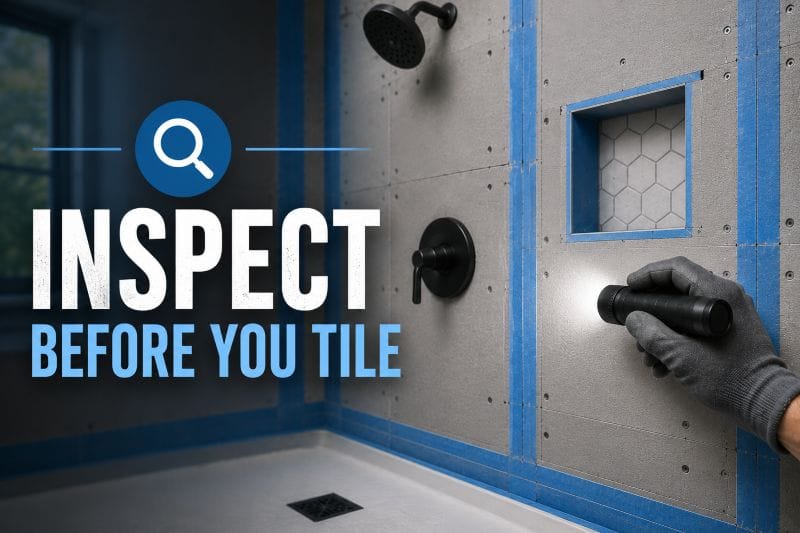
Check fastening, edges, flatness, openings, seams, corners, and transitions while the wall is still visible.
Does waterproof backer board replace good workmanship?
No. It supports wet-area wall preparation, but careful cutting, support, inspection, and documentation still matter.
Conclusion
The final decision should also consider ordinary workmanship: straight cuts, stable edges, clean transitions, and a surface that tile installers can work over without guessing.
A practical approval note should describe who checked the wall, what was visible at the time, and which details still need attention before finish work begins.
The crew should also keep the room sequence in view, because plumbing, board work, tile setting, glass measurement, and accessory installation affect one another.
Good planning avoids broad promises and focuses on inspectable conditions: clean openings, firm support, sensible transitions, and a surface suited to the chosen finish.
A short site record can prevent later confusion by showing the wall condition before tile, panels, or hardware cover the work.
The buyer should treat this as a project-control step, using clear notes and photos instead of relying on memory after the room is finished.
The best use of waterproof backer board is specific, visible, and easy to explain. When the product is tied to the room condition, finish plan, and inspection point, it helps buyers and contractors make a cleaner wet-wall decision without padding the scope.
For project-specific questions, the next step is to match the wall type, tile plan, and accessory details before materials are approved.
FAQs About Waterproof Backer Board for Project Buyers: How to Comp
What should buyers check first for waterproof backer board for project buyers: how to compare samples before approval?
Buyers should check wall exposure, support, openings, finish requirements, and inspection timing before approving waterproof backer board for this project type.
How does this planning help installers?
It gives installers clearer information about cuts, seams, accessories, and handoff conditions before finish work hides the wall.
When should the supplier be contacted?
Contact the supplier after room dimensions, drawings, fixture locations, and expected finish areas are available.
The practical value of the article is in the decision criteria: exposure, substrate condition, edge support, openings, documentation, and trade handoff.
Readers should leave with a clearer process for reviewing the wall, not just a repeated product phrase.
That process makes the content more useful for contractors, distributors, and project buyers comparing wet-area materials.