
Waterproof Backer Board for Accessible Showers: Wall Prep Around Seats and Grab Bars
Waterproof Backer Board for Accessible Showers: Wall Prep Around Seats and Grab Bars answers a practical search intent for designers, contractors, and owners planning accessible bathrooms: accessible shower wall preparation before hardware and tile. The short answer is that the wall should be evaluated before tile returns, fixtures are fixed, or materials are ordered.
Table of Contents
A Waterproof Backer Board in an accessible shower should be coordinated with seats, grab bars, valves, thresholds, and caregiver use. These rooms combine water exposure with repeated physical contact, so the wall plan needs more than ordinary tile backing.
For external reference, ADA.gov provides accessible design standards for grab bars and shower seats, and the ADA archive illustrates grab bar and control locations at shower stalls that can affect wall planning.
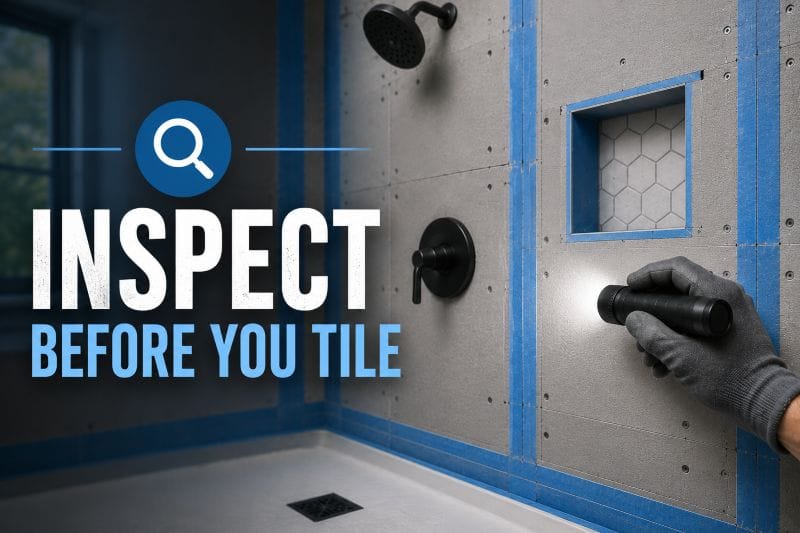
Accessible Shower Wall Snapshot
| Question | Practical answer |
|---|---|
| Where is water exposure highest? | Start with shower, tub, splash, steam, or cleaning zones. |
| What must be visible before tile? | Board layout, seams, corners, openings, and transitions. |
| Which product pages help? | Waterproof Backer Board, Bathroom Moisture Protection System |
| What should be documented? | A short pre-tile photo record and written approval note. |
Accessible Shower Questions Before Board Work
- Does the proposed waterproof backer board location match the real wet-wall boundary?
- Are penetrations, corners, benches, shelves, or transitions already shown on the wall plan?
- Is the surface ready for the selected tile size and finish sequence?
- Can the owner or supervisor verify the hidden work before it disappears?
Coordinate Backing Before Board Work
Seats, grab bars, and accessories need support that is planned before the wall closes. Waterproof backer board should be installed with the backing plan in view, not as a separate layer that ignores hardware loads.
Plan Lower Threshold Water Movement
Accessible showers often reduce barriers at the entry. That changes how water moves near the floor and adjacent walls, so waterproof backer board should be scoped around the real wet zone.
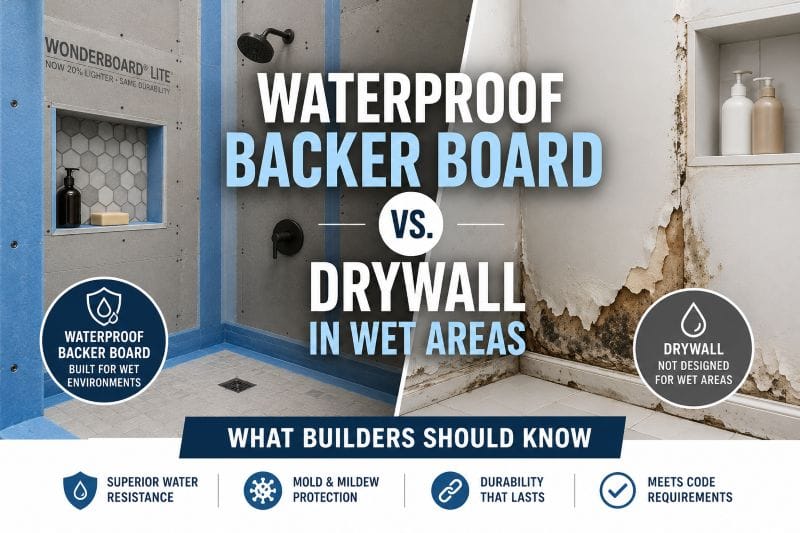
Treat Seat Walls as High-Use Areas
A seat wall is touched, leaned on, and exposed to water. The substrate behind tile matters because waterproof backer board helps create a stable surface for a demanding location.
Mark Future Accessory Zones
Owners may add accessories later. Recording where backing and waterproof backer board were placed gives future installers better information and reduces avoidable exploratory work.
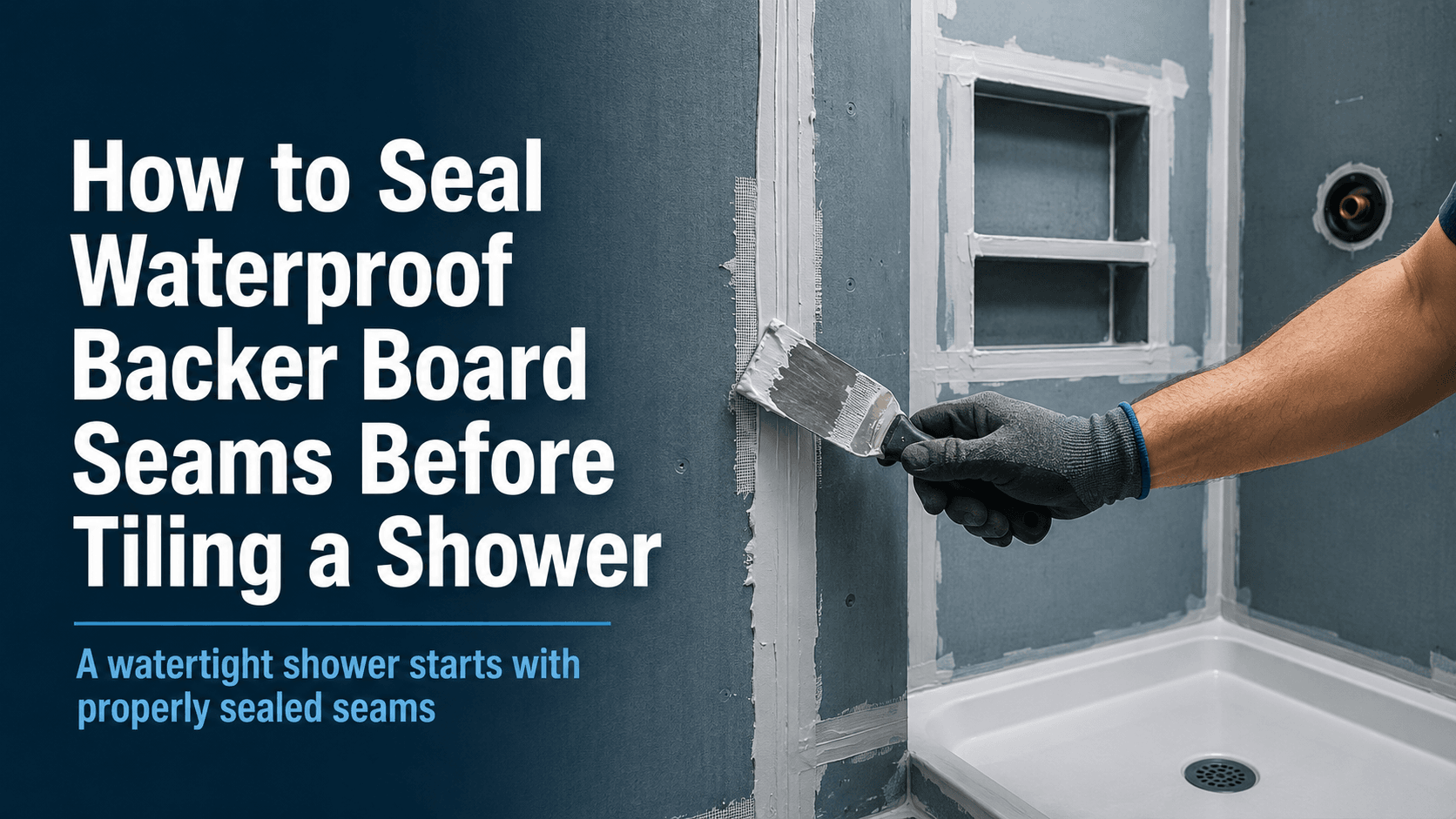
Inspect for Both Water and Use
Accessible shower prep is not only about moisture. It is also about touch points, support, transitions, and maintenance. Waterproof backer board should be checked against all of those expectations before tile starts.
Related Pages for Accessible Wet Areas
For the product decision, review Waterproof Backer Board, Bathroom Moisture Protection System, Heavy-Duty Wall Anchor. These pages help connect the article advice to actual board, accessory, and application options on the site.
Accessible Shower Wall FAQs
Why do seats and grab bars change the wall plan?
They introduce loads, penetrations, and user contact. The waterproof backer board should be coordinated with blocking and hardware locations before closing the wall.
What should be marked before installation?
Mark seat brackets, grab bars, valve controls, handheld shower locations, shelves, and glass or curtain hardware before board cutting.
Does accessibility change water exposure?
Often yes. Assisted showering, lower thresholds, and handheld sprays can move water beyond a standard shower pattern.
What should inspectors review?
Review backing, board edges, penetrations, lower transitions, and high-use wall areas before tile covers the substrate.
When should buyers discuss the room with a supplier?
Discuss it when the accessory schedule and wall layout are available, so the material plan reflects the actual accessible shower design.
Accessible Shower Takeaway
Accessible showers combine moisture control with usability. The board plan should respect both the water path and the hardware people rely on every day.
Waterproof backer board is most useful when it is coordinated with backing, seats, grab bars, and inspection photos before tile begins.