
How Builders Can Use Waterproof Backer Board in Mixed Wet and Dry Wall Layouts
How Builders Can Use Waterproof Backer Board in Mixed Wet and Dry Wall Layouts addresses a specific search intent: help teams decide where wet-area boards are needed and where standard wall assemblies may be enough. The goal is to help builders coordinating bathrooms, kitchens, laundry rooms, and utility spaces make a clearer decision before tile, panels, fixtures, or finish work begin.
A waterproof backer board is most useful when it is tied to actual wall conditions. This guide focuses on mixed wet and dry wall planning, with practical checks that can be used during planning, purchasing, installation, and pre-tile review.
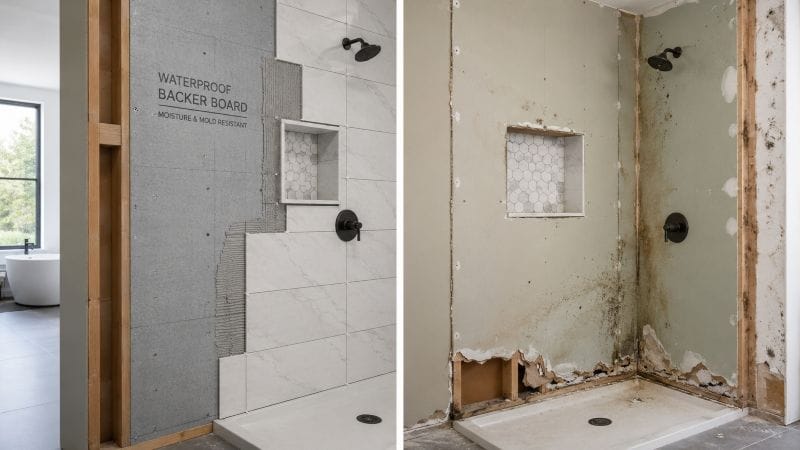
Key Questions Before Work Starts
Before selecting a waterproof backer board, the project team should answer a few direct questions. These questions keep the decision connected to the room rather than treating all wet walls as identical.
- Which walls receive direct splash, cleaning water, or repeated humidity?
- Where should wet-area and dry-area materials meet?
- Will the transition affect wall thickness or finish alignment?
- Can the crew identify the wet-wall boundary without guessing?
| Review point | What to confirm |
|---|---|
| Exposure | How often water, splash, humidity, or cleaning reaches the wall |
| Finish | Whether tile or another finish needs a flat, stable substrate |
| Openings | How valves, accessories, shelves, or penetrations will be supported |
| Inspection | What must be checked before the wall is covered |
Separate Exposure Zones Before Ordering Materials
Separate Exposure Zones Before Ordering Materials should be handled as a project decision, not a loose installation note. For builders coordinating bathrooms, kitchens, laundry rooms, and utility spaces, this means the waterproof backer board has to match the room condition, the planned finish, and the sequence of work. If those pieces are separated, the installer may be forced to solve predictable issues after the schedule is already tight.
The detail becomes easier to manage when the team describes what the wall must do. In this context, separate exposure zones before ordering materials is about water exposure, surface stability, and the ability to inspect the substrate before tile or another finish covers it. A waterproof backer board choice is strongest when it supports those practical checks.
Avoid reducing this step to a product name on a purchase order. The board has to be cut, carried, fastened, and connected to other surfaces. When separate exposure zones before ordering materials is reviewed early, the waterproof backer board installation becomes more consistent and less dependent on last-minute judgment.
Make Transitions Predictable
The detail becomes easier to manage when the team describes what the wall must do. In this context, make transitions predictable is about water exposure, surface stability, and the ability to inspect the substrate before tile or another finish covers it. A waterproof backer board choice is strongest when it supports those practical checks.
Avoid reducing this step to a product name on a purchase order. The board has to be cut, carried, fastened, and connected to other surfaces. When make transitions predictable is reviewed early, the waterproof backer board installation becomes more consistent and less dependent on last-minute judgment.
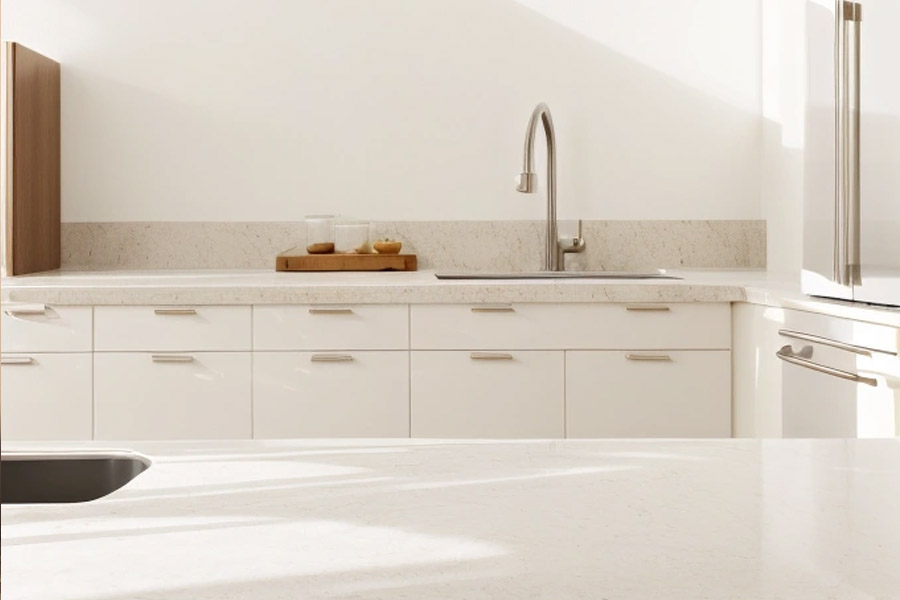
Avoid Treating Every Wall the Same
Avoid reducing this step to a product name on a purchase order. The board has to be cut, carried, fastened, and connected to other surfaces. When avoid treating every wall the same is reviewed early, the waterproof backer board installation becomes more consistent and less dependent on last-minute judgment.
Good installers usually want fewer surprises. When avoid treating every wall the same is clear, they can prepare straight cuts, stable edges, supported openings, and a wall plane that makes the final finish easier to control. The waterproof backer board becomes part of that controlled process.
Coordinate Wet Zones With Fixtures and Cleaning Patterns
The buyer should ask for simple evidence that this detail is understood. A sketch, room note, or pre-tile photo can show whether the waterproof backer board has been placed where the wet-area risk actually exists. That kind of evidence is more useful than broad claims that do not describe the project.
Good installers usually want fewer surprises. When coordinate wet zones with fixtures and cleaning patterns is clear, they can prepare straight cuts, stable edges, supported openings, and a wall plane that makes the final finish easier to control. The waterproof backer board becomes part of that controlled process.
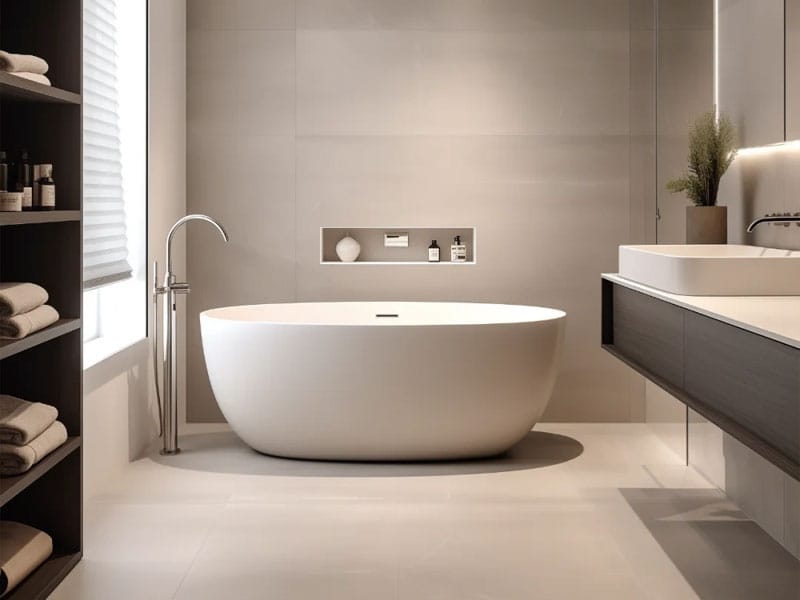
Coordinate Wet Zones With Fixtures and Cleaning Patterns should be handled as a project decision, not a loose installation note. For builders coordinating bathrooms, kitchens, laundry rooms, and utility spaces, this means the waterproof backer board has to match the room condition, the planned finish, and the sequence of work. If those pieces are separated, the installer may be forced to solve predictable issues after the schedule is already tight.
Document the Boundary Between Wall Types
Good installers usually want fewer surprises. When document the boundary between wall types is clear, they can prepare straight cuts, stable edges, supported openings, and a wall plane that makes the final finish easier to control. The waterproof backer board becomes part of that controlled process.
Document the Boundary Between Wall Types should be handled as a project decision, not a loose installation note. For builders coordinating bathrooms, kitchens, laundry rooms, and utility spaces, this means the waterproof backer board has to match the room condition, the planned finish, and the sequence of work. If those pieces are separated, the installer may be forced to solve predictable issues after the schedule is already tight.
The detail becomes easier to manage when the team describes what the wall must do. In this context, document the boundary between wall types is about water exposure, surface stability, and the ability to inspect the substrate before tile or another finish covers it. A waterproof backer board choice is strongest when it supports those practical checks.
Common Mistakes to Avoid
- Choosing waterproof backer board after layout and fixture decisions are already fixed.
- Letting wet and dry wall areas blur together without a clear boundary.
- Skipping pre-tile photos and assuming hidden work will be easy to verify later.
- Ignoring wall flatness, penetrations, and transitions until the tile installer arrives.
The most common problem is not that teams choose the wrong product in isolation. It is that the waterproof backer board is selected without enough detail about the wall assembly, finish plan, and inspection process.
External References for General Background
For general background on tile as a finish material, readers can review https://en.wikipedia.org/wiki/Ceramic_tile. For broader building moisture concepts, the Whole Building Design Guide resource on moisture management at https://www.wbdg.org/resources/moisture-management is useful educational reading. These sources do not replace project-specific product instructions, local requirements, or professional judgment.
Conclusion
A wet-area wall is built through a sequence. Framing condition, board storage, cutting, fastening, edge treatment, and final inspection all influence the result. A waterproof backer board cannot compensate for careless sequencing, but it gives the project team a more appropriate starting point for water-exposed areas.
The best reason to choose a waterproof backer board is that the room needs wet-area wall preparation that can be explained, installed, and inspected. When the decision is made early, the board can support the tile plan instead of becoming a late correction.
For builders coordinating bathrooms, kitchens, laundry rooms, and utility spaces, the practical next step is to define the wet-wall scope, confirm the finish requirements, and write down what must be checked before the wall is covered. That turns waterproof backer board from a product label into a useful part of the project plan.